
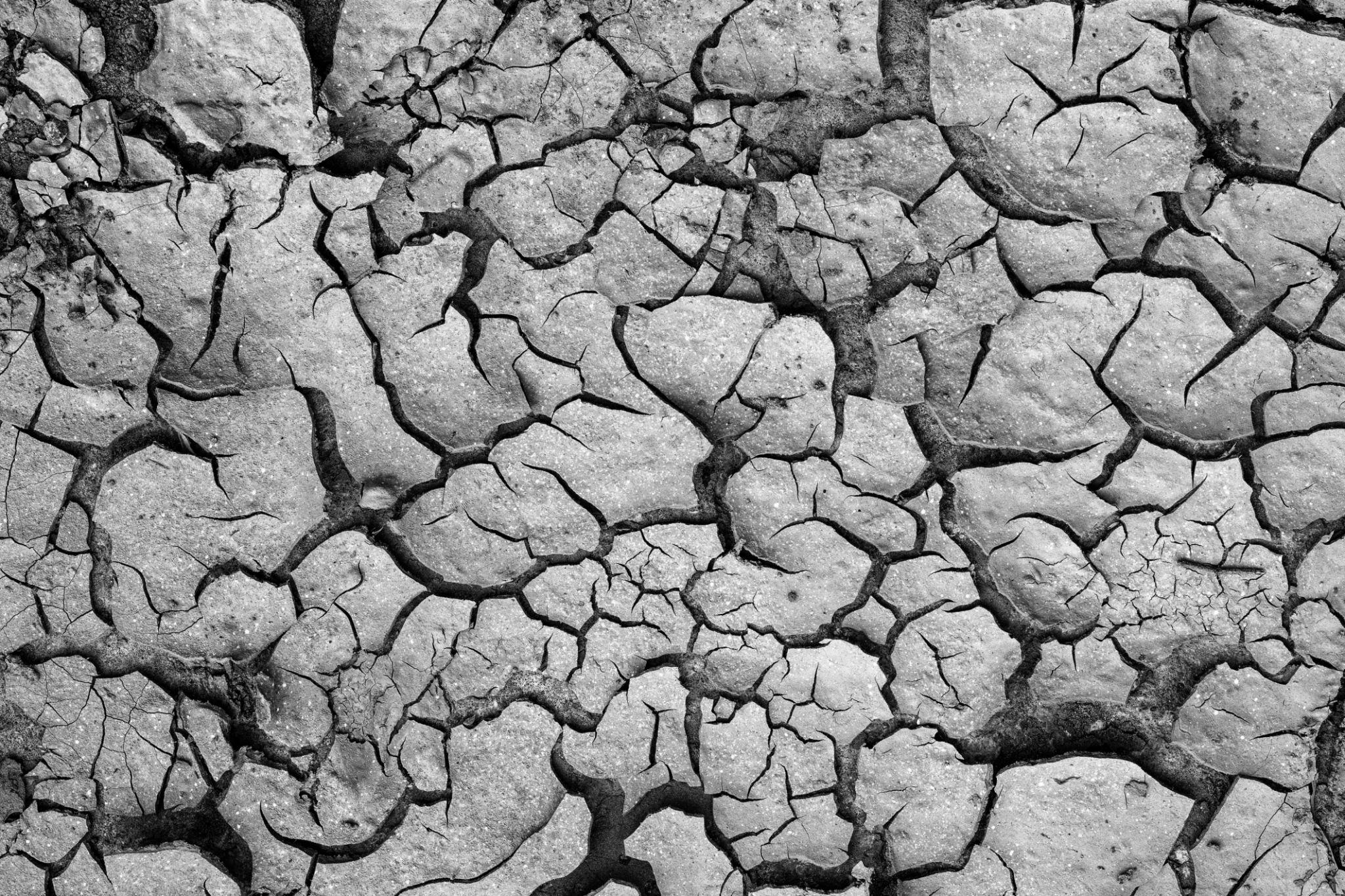
A new analysis of six major heatwaves has found that combined temperature and humidity levels are already exceeding thresholds considered survivable for vulnerable populations, particularly older people. The findings highlight a growing climate risk that is expected to intensify, with emerging markets facing disproportionate exposure and limited capacity to respond.
Heat and humidity push beyond safe limits
The study focuses on so-called “wet-bulb” conditions, where high humidity prevents the human body from cooling effectively through sweat. When these thresholds are breached, even healthy individuals can face severe health risks, while older populations are particularly vulnerable.
Across the six heatwaves analysed, researchers found that conditions reached levels that could be considered potentially deadly, even over relatively short periods. This marks a shift from theoretical risk to real-world occurrence, underscoring the accelerating impact of climate change.

Emerging markets at the frontline
Countries across Africa, South Asia and parts of Latin America are especially exposed to extreme heat events. High population density, rapid urbanisation and limited access to cooling infrastructure increase vulnerability in these regions.
In many emerging markets, large segments of the population work outdoors or in informal sectors, where exposure to extreme heat is unavoidable. Combined with weaker healthcare systems and limited emergency response capacity, this creates a heightened risk of widespread health impacts.
Urban environments, particularly informal settlements, can amplify heat through the “urban heat island” effect, further increasing temperatures in already stressed areas.
Economic consequences of rising heat stress
Beyond the immediate health risks, extreme heat has significant economic implications. Productivity declines sharply as temperatures rise, particularly in labour-intensive sectors such as construction, agriculture and manufacturing.
For emerging markets, where economic growth often depends on these sectors, prolonged heatwaves can reduce output, disrupt supply chains and increase costs. This in turn affects investment attractiveness and long-term development prospects.
Heat-related disruptions to infrastructure, including power and water systems, also pose additional challenges, particularly in regions where systems are already under strain.
Adaptation gaps and policy challenges
While advanced economies have begun investing in heat mitigation strategies such as cooling infrastructure and early warning systems, many emerging markets face funding and capacity constraints.
Adaptation measures—including improved urban planning, access to cooling, and strengthened healthcare systems—require significant investment. Without these, the gap between climate risk and response capability is likely to widen.
International cooperation and climate finance are therefore expected to play a critical role in supporting vulnerable regions.
A growing structural risk
The study’s findings reinforce the view that extreme heat is becoming a structural global risk rather than an occasional anomaly. As climate patterns shift, the frequency and intensity of such events are expected to increase.
For emerging markets, the challenge is particularly acute. Balancing economic growth with climate resilience will be essential to managing the long-term impact of rising temperatures.
From warning to reality
The transition from projected risk to observed reality marks a critical moment in the climate debate. Heatwaves that exceed human tolerance thresholds are no longer hypothetical, and their implications extend far beyond environmental concerns.
For policymakers, investors and global institutions, the message is clear: adaptation is no longer optional. It is a necessary component of economic stability and human security in an increasingly warmer world.
Newshub Editorial in Global – April 10, 2026

If you have an account with ChatGPT you get deeper explanations,
background and context related to what you are reading.
Open an account:
Open an account
Recent Comments