
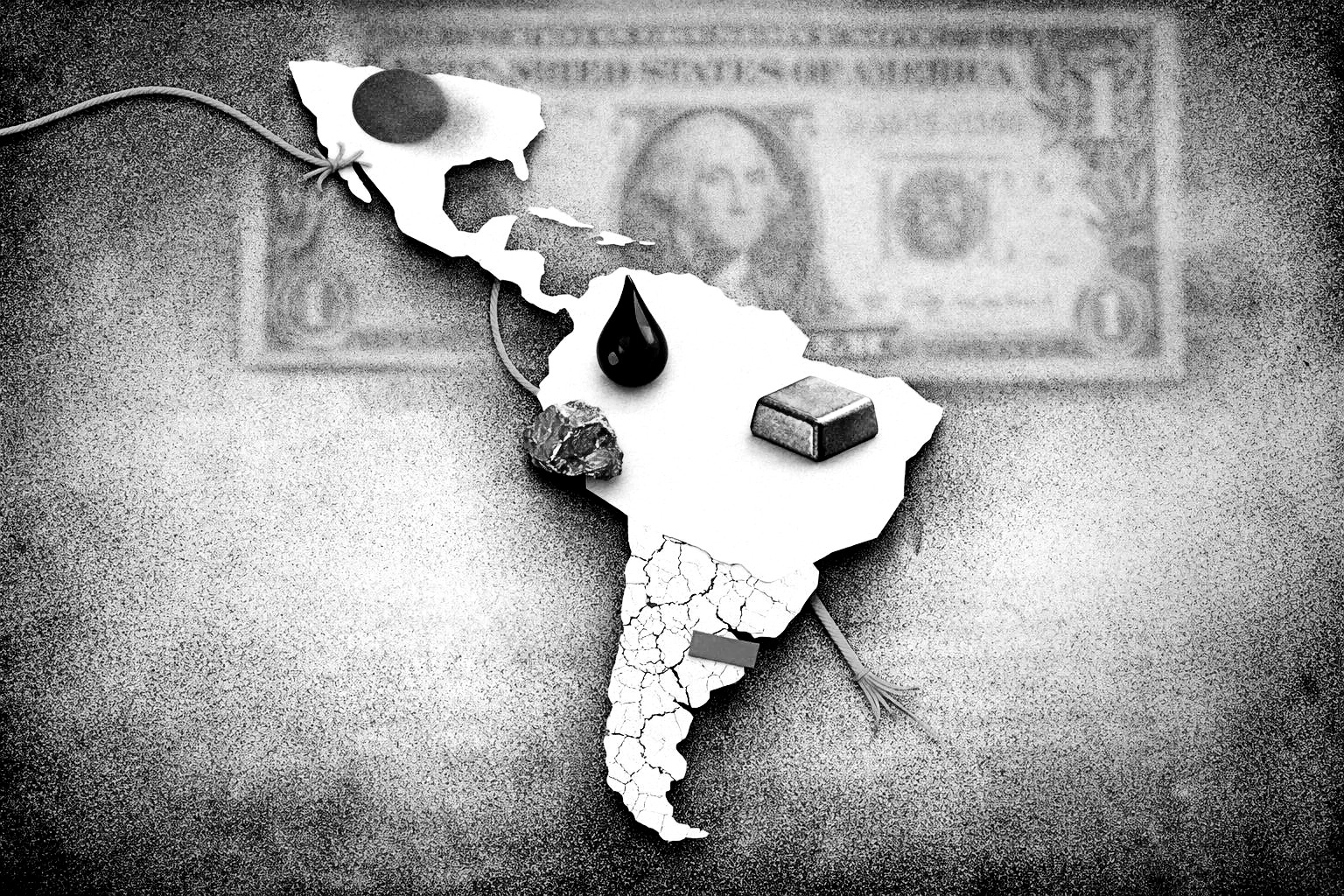
The World Bank has downgraded its growth forecasts for Latin America and the Caribbean, warning that escalating global tensions are fuelling uncertainty around inflation, interest rates and economic stability across the region.
Growth expectations revised downward
The latest assessment points to a weaker-than-expected recovery in Latin America, as external shocks continue to weigh on already sluggish economies. The region, which had been struggling to regain momentum after the pandemic, is now facing renewed headwinds linked to geopolitical instability and volatile commodity markets.
According to the World Bank, growth across the region is expected to remain subdued, reflecting structural constraints, limited fiscal space and reduced external demand. The downgrade underscores the fragility of the recovery and the region’s exposure to global disruptions.

War impacts ripple through key economic channels
The ongoing conflict in the Middle East has introduced new layers of risk, particularly through energy prices and trade flows. Rising oil prices are increasing costs for import-dependent economies, while uncertainty in global markets is dampening investment sentiment.
At the same time, fluctuations in commodity prices—critical for many Latin American exporters—are complicating revenue forecasts and fiscal planning. These dynamics are creating a challenging environment for policymakers attempting to balance growth with macroeconomic stability.
Inflation and interest rate outlook remains unclear
One of the central concerns highlighted in the report is the uncertain trajectory of inflation and interest rates. While inflationary pressures had begun to ease in some countries, the recent surge in energy costs threatens to reverse that trend.
Central banks across the region now face a difficult policy dilemma: whether to maintain tight monetary conditions to contain inflation or to ease rates in support of growth. The lack of clarity on global developments makes this balancing act increasingly complex.
Structural challenges limit resilience
Beyond immediate external shocks, the region continues to grapple with longstanding structural issues, including low productivity, inequality and limited investment in infrastructure. These factors constrain the ability of economies to absorb shocks and recover quickly.
The World Bank emphasises that without structural reforms, Latin America risks remaining stuck in a cycle of low growth and high vulnerability to external events.
A critical juncture for policy and reform
The current environment represents a pivotal moment for the region. Policymakers are being urged to strengthen fiscal frameworks, enhance investment climates and pursue reforms that can unlock long-term growth.
At the same time, the evolving global situation means that external conditions will remain a key determinant of economic outcomes. For Latin America, the path forward will depend not only on domestic policy choices but also on how global risks—particularly those linked to conflict and energy markets—unfold in the months ahead.
Newshub Editorial in South America – April 9, 2026

If you have an account with ChatGPT you get deeper explanations,
background and context related to what you are reading.
Open an account:
Open an account
Recent Comments