
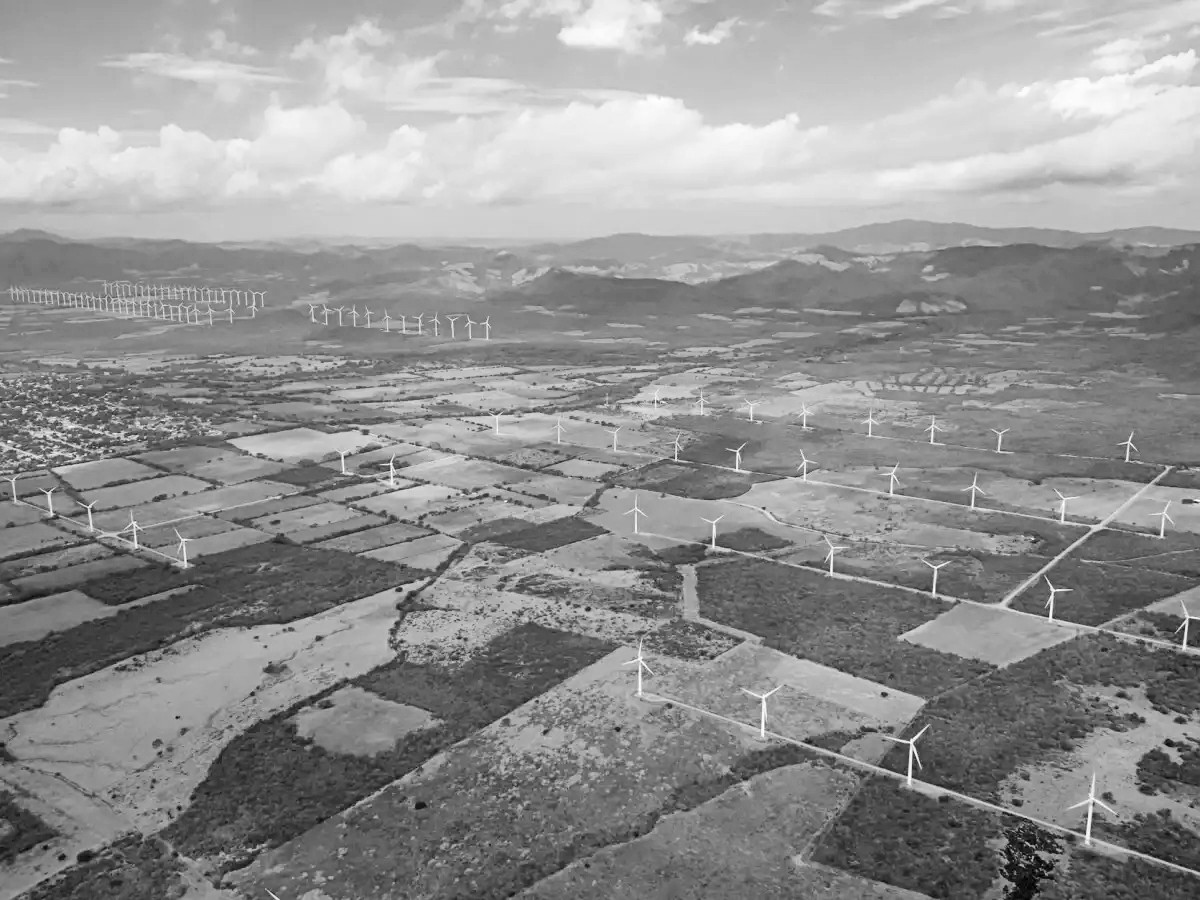
The ongoing conflict involving Iran is creating fresh challenges for Latin America’s renewable energy push, as rising global uncertainty and higher borrowing costs threaten to slow investment in critical infrastructure.
Cost of capital emerges as key constraint
Even before the escalation in the Middle East, renewable energy projects across Latin America were already facing a significant hurdle: the high cost of capital. Large-scale solar, wind and grid projects require substantial upfront investment, making financing conditions a decisive factor in their viability.
Renewable energy economics are heavily front-loaded, with high initial capital expenditure and relatively low operating costs over time. As a result, any increase in interest rates or investor risk premiums can materially delay or cancel projects.

War-driven uncertainty tightens financial conditions
The Iran conflict has amplified global financial volatility, with rising energy prices and geopolitical risk prompting investors to become more cautious. Emerging markets, including those in Latin America, are particularly exposed to sudden shifts in capital flows.
Higher perceived risk leads to increased borrowing costs, making it more expensive for governments and developers to finance renewable infrastructure. This is especially problematic in a region where access to affordable financing is already uneven.
Energy shock creates a paradox for renewables
The war has disrupted global energy markets, including the closure and restriction of flows through the Strait of Hormuz, which handles a significant share of global oil supply.
This has pushed fossil fuel prices higher, theoretically strengthening the case for renewables as a more stable and geopolitically resilient energy source. However, the same conditions that make renewables attractive—higher oil and gas prices—also contribute to inflation and tighter monetary policy, raising financing costs.
Supply chains and project costs under pressure
Beyond financing, the conflict is also affecting supply chains and input costs. Rising fuel and freight prices are increasing the cost of transporting materials and equipment, while disruptions in global trade are creating delays in project timelines.
These pressures are particularly acute in Latin America, where infrastructure projects often depend on imported components and international logistics networks.
A critical moment for policy and investment
The situation leaves Latin American policymakers facing a complex trade-off. On one hand, the energy crisis highlights the urgency of reducing dependence on volatile fossil fuel markets. On the other, the financial environment is becoming less supportive of the large-scale investments required to achieve that transition.
Analysts suggest that stronger policy frameworks, risk-sharing mechanisms and multilateral financing will be essential to keep renewable projects moving forward.
Transition at risk—but not derailed
While the Iran war introduces significant headwinds, it does not fundamentally weaken the long-term case for renewable energy in Latin America. Instead, it underscores the need for more resilient financing structures and strategic planning.
The region now stands at a crossroads: either navigate the current financial constraints and accelerate the transition, or risk falling further behind as global energy dynamics continue to shift.
Newshub Editorial in South America – April 9, 2026

If you have an account with ChatGPT you get deeper explanations,
background and context related to what you are reading.
Open an account:
Open an account
Recent Comments