
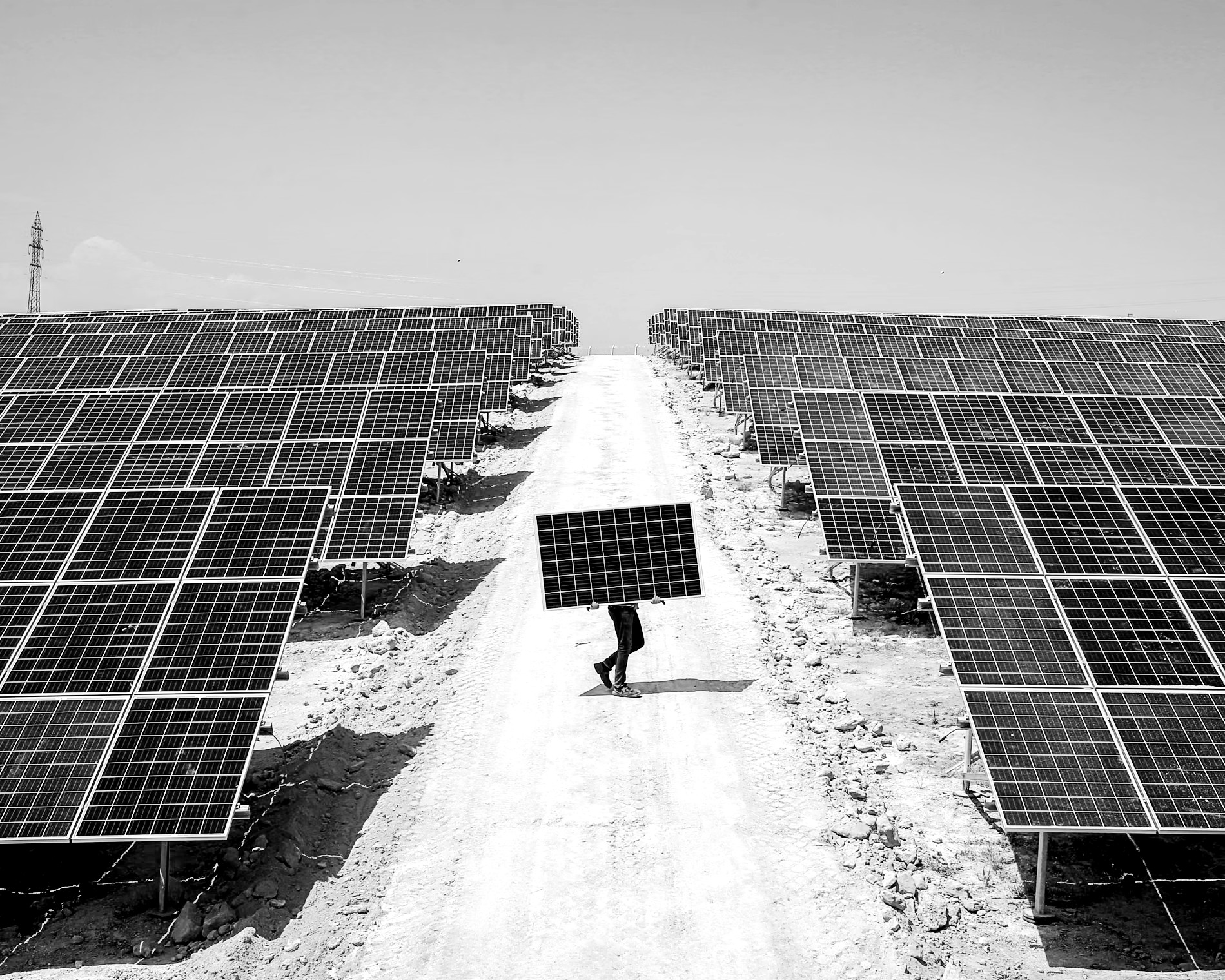
Turkey is rapidly emerging as a leader in battery energy storage deployment, outpacing key European economies as it accelerates efforts to reduce dependence on fossil fuels and strengthen grid resilience.
A surge in approved capacity
Since 2022, more than 33 gigawatts (GW) of battery storage capacity has been approved for integration into Turkey’s national grid—far exceeding the 12–13GW approved in Germany over the same period. The scale of this expansion highlights Turkey’s aggressive push to modernise its energy infrastructure and respond to growing volatility in global energy markets.
The approvals reflect both regulatory momentum and strong investor interest in energy storage as a critical enabler of renewable energy integration.

Energy security driving urgency
Turkey’s rapid progress is closely tied to its exposure to fossil fuel imports. As a country heavily dependent on imported energy, particularly natural gas, Ankara has been acutely affected by price volatility and geopolitical disruptions.
Battery storage offers a strategic solution—allowing the country to store excess renewable energy, stabilise supply, and reduce reliance on external sources. This has become increasingly urgent amid ongoing global energy shocks.
Regulatory framework fuels growth
A key factor behind Turkey’s acceleration has been its regulatory approach. Authorities have streamlined approval processes and introduced policies that link battery storage deployment directly to renewable energy projects.
This integrated model has significantly reduced barriers to entry, enabling faster project development and clearer investment pathways compared to more fragmented frameworks seen in parts of the European Union.
EU progress more measured
While Europe remains a global leader in renewable energy, its rollout of battery storage has been comparatively slower. Regulatory complexity, permitting delays, and grid constraints have all contributed to a more gradual pace of expansion.
Germany, Europe’s largest economy, has made notable progress but still lags behind Turkey in newly approved capacity over the past three years.
Strategic implications for the energy transition
Turkey’s rapid build-out positions it as a key player in the next phase of the energy transition, where storage capacity becomes as critical as generation itself. The ability to balance intermittent renewable sources such as wind and solar will define grid stability and energy security in the coming decade.
For the EU, Turkey’s progress underscores the importance of accelerating regulatory reform and infrastructure investment to remain competitive in energy storage deployment.
From follower to frontrunner
Historically seen as a follower in Europe’s energy transition, Turkey is now moving into a leadership position in battery storage. The country’s ability to align policy, investment, and infrastructure development is enabling it to move faster than many of its European counterparts.
In a world increasingly defined by energy resilience, Turkey’s strategy is not just catching up—it is setting the pace.
Newshub Editorial in Europe – April 8, 2026

If you have an account with ChatGPT you get deeper explanations,
background and context related to what you are reading.
Open an account:
Open an account
Recent Comments