
US President Donald Trump said he was “not at all” concerned about committing potential war crimes as he renewed threats to destroy Iran’s civilian infrastructure if Tehran fails to meet a Tuesday 8pm ET deadline to reopen the Strait of Hormuz.
Escalating rhetoric ahead of deadline
Speaking amid intensifying conflict, Donald Trump reiterated that the United States could target Iranian bridges and power plants if the strategic waterway is not reopened. The ultimatum centres on the Strait of Hormuz, a critical chokepoint for global energy flows, where disruptions have already triggered volatility across oil markets and supply chains.
Trump’s remarks mark one of the most direct acknowledgements of potential legal consequences tied to military strategy. When questioned about whether such strikes could constitute war crimes under international law, he dismissed the concern entirely, stating he was “not at all” worried.

Targeting infrastructure raises legal concerns
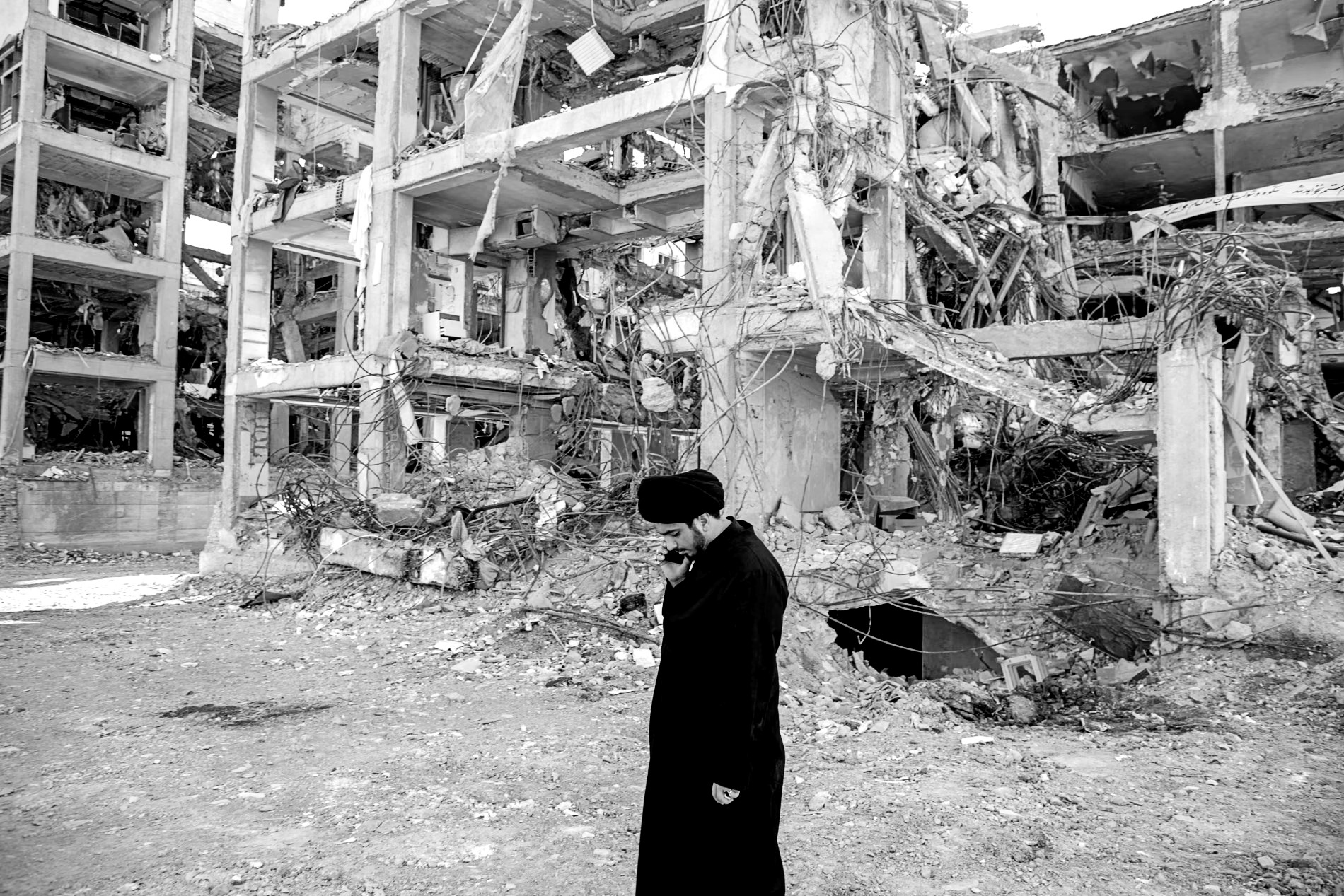
The proposed targets—bridges and power plants—are widely considered dual-use infrastructure but are also essential for civilian life. Legal experts and international observers have warned that deliberate attacks on such assets could violate the laws of armed conflict, particularly if they disproportionately affect civilian populations.
Criticism has intensified across diplomatic and legal circles, with concerns that such actions could set a precedent for expanded definitions of acceptable wartime targets. The debate centres on whether strategic infrastructure can be justified as military objectives or whether their destruction constitutes unlawful collective punishment.
A conflict with global implications
The deadline comes amid the ongoing 2026 Strait of Hormuz crisis, which has significantly disrupted maritime traffic and affected roughly 20% of global oil flows. The closure of the strait by Iran has already led to sharp increases in energy prices and heightened geopolitical risk across the Middle East.
Washington has framed the ultimatum as necessary to restore freedom of navigation, while Tehran has rejected temporary solutions, calling instead for a permanent end to hostilities. Diplomatic efforts continue, but no agreement has been reached as the deadline approaches.
Military pressure versus diplomatic uncertainty
Trump has suggested that large-scale strikes could be executed rapidly if Iran fails to comply, stating that the country could face overwhelming force within a short timeframe. At the same time, he has indicated a preference to avoid escalation if a resolution can be reached.
However, the combination of a fixed deadline, explicit targeting of infrastructure and dismissal of legal concerns has heightened fears of a significant escalation. Regional actors and international organisations have called for restraint, warning that further military action could destabilise an already volatile region.
Markets and geopolitical risk on edge
Financial markets are closely monitoring developments, particularly in energy sectors. Oil prices have remained elevated amid uncertainty, reflecting concerns over prolonged disruption to global supply routes.
The coming hours are likely to be decisive. Whether the deadline leads to renewed negotiations or a further escalation in military action will shape not only the trajectory of the conflict but also broader global economic stability.
Newshub Editorial in North America – April 7, 2026
Recent Comments