
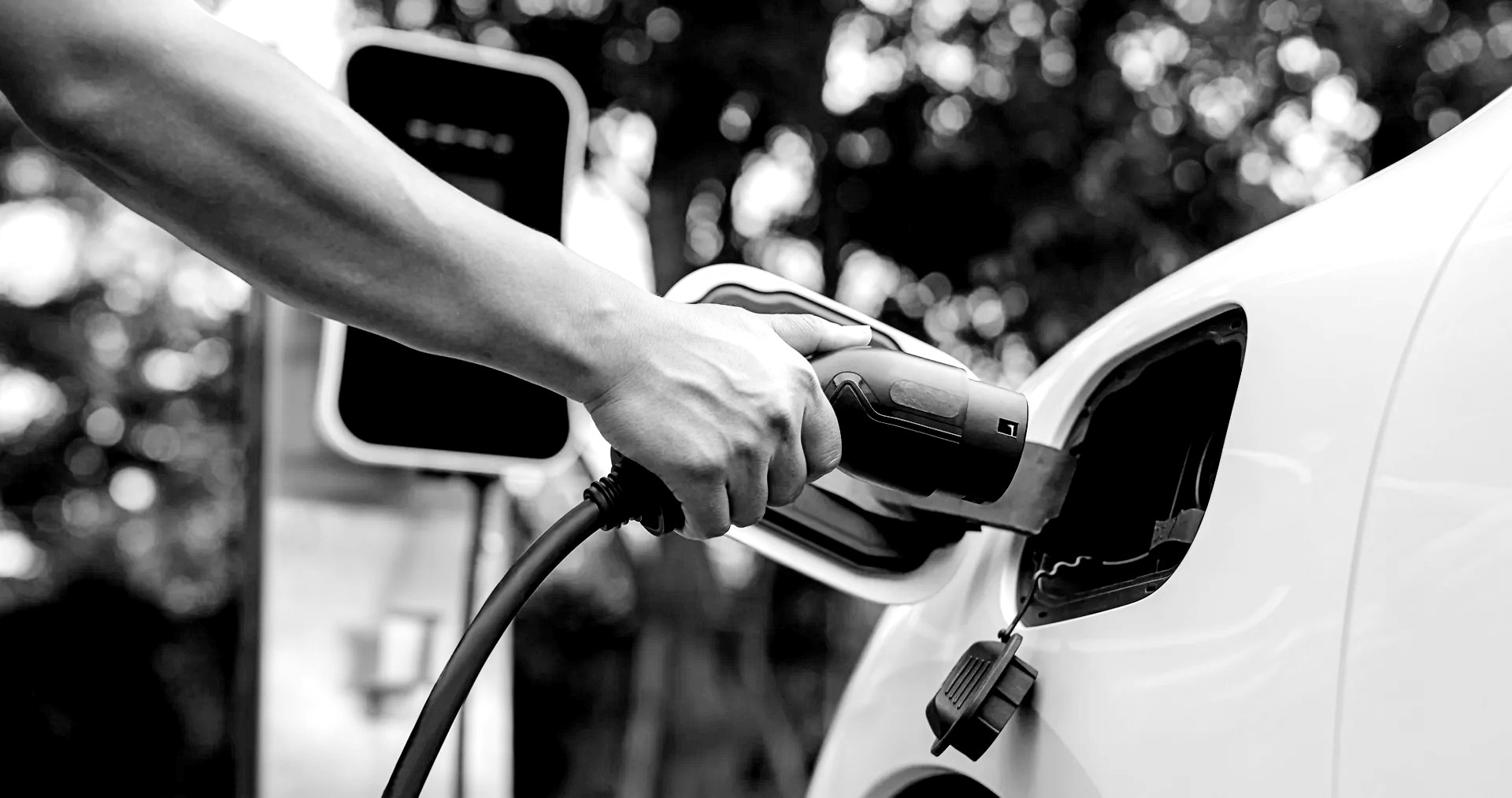
Electric vehicle batteries are central to the energy transition, but their true environmental impact depends on the entire lifecycle—from raw material extraction to disposal and recycling.
Production: resource-intensive beginnings
The production of EV batteries, particularly lithium-ion systems, is energy-intensive and reliant on critical minerals such as lithium, cobalt and nickel. Mining operations—often concentrated in countries like Chile and the Democratic Republic of the Congo—raise environmental and ethical concerns, including water usage, land degradation and labour conditions.
Battery manufacturing itself also carries a significant carbon footprint, especially when powered by fossil fuel-based energy. Estimates suggest that producing a single EV battery can generate several tonnes of CO₂ emissions before the vehicle even reaches the road.

Use phase: emissions advantage over time
Once in operation, EV batteries enable vehicles to run without tailpipe emissions, offering a clear advantage over internal combustion engines. Over time, this offsets much of the initial production impact—particularly in regions where electricity generation is increasingly based on renewable sources.
The environmental benefit, however, varies by geography. In countries with coal-heavy energy grids, the emissions savings are less pronounced. In contrast, regions with cleaner energy mixes see significantly greater lifecycle advantages.
Longevity and performance considerations
Modern EV batteries are designed to last between 8 and 15 years, depending on usage patterns and technological design. Advances in battery chemistry and management systems have improved durability, reducing the frequency of replacement and extending the overall lifecycle.
In addition, second-life applications—such as stationary energy storage—are emerging as a way to extend the usefulness of batteries beyond their automotive lifespan. This reduces waste and improves overall resource efficiency.
End-of-life and recycling challenges
Disposal and recycling represent one of the most critical phases in the battery lifecycle. Improper disposal can lead to environmental contamination, while effective recycling can recover valuable materials and reduce the need for new mining.
Recycling infrastructure is still developing globally, but progress is accelerating. Companies are investing in technologies capable of recovering lithium, cobalt and nickel at increasingly high rates. However, scaling these solutions remains a key challenge.
Balancing trade-offs in a transition economy
EV batteries are not impact-free, but they represent a significant improvement over fossil fuel-based transport when assessed over their full lifecycle. The environmental trade-offs are front-loaded in production but gradually offset during use.
The long-term sustainability of EV batteries will depend on cleaner manufacturing processes, responsible sourcing of materials and robust recycling systems. As these elements improve, the overall environmental profile of EVs is expected to strengthen further.
In practical terms, EV batteries are best understood not as a perfect solution, but as a transitional technology—one that reduces emissions today while continuing to evolve toward greater sustainability.
Newshub Editorial in Europe – April 7, 2026

If you have an account with ChatGPT you get deeper explanations,
background and context related to what you are reading.
Open an account:
Open an account
Recent Comments