
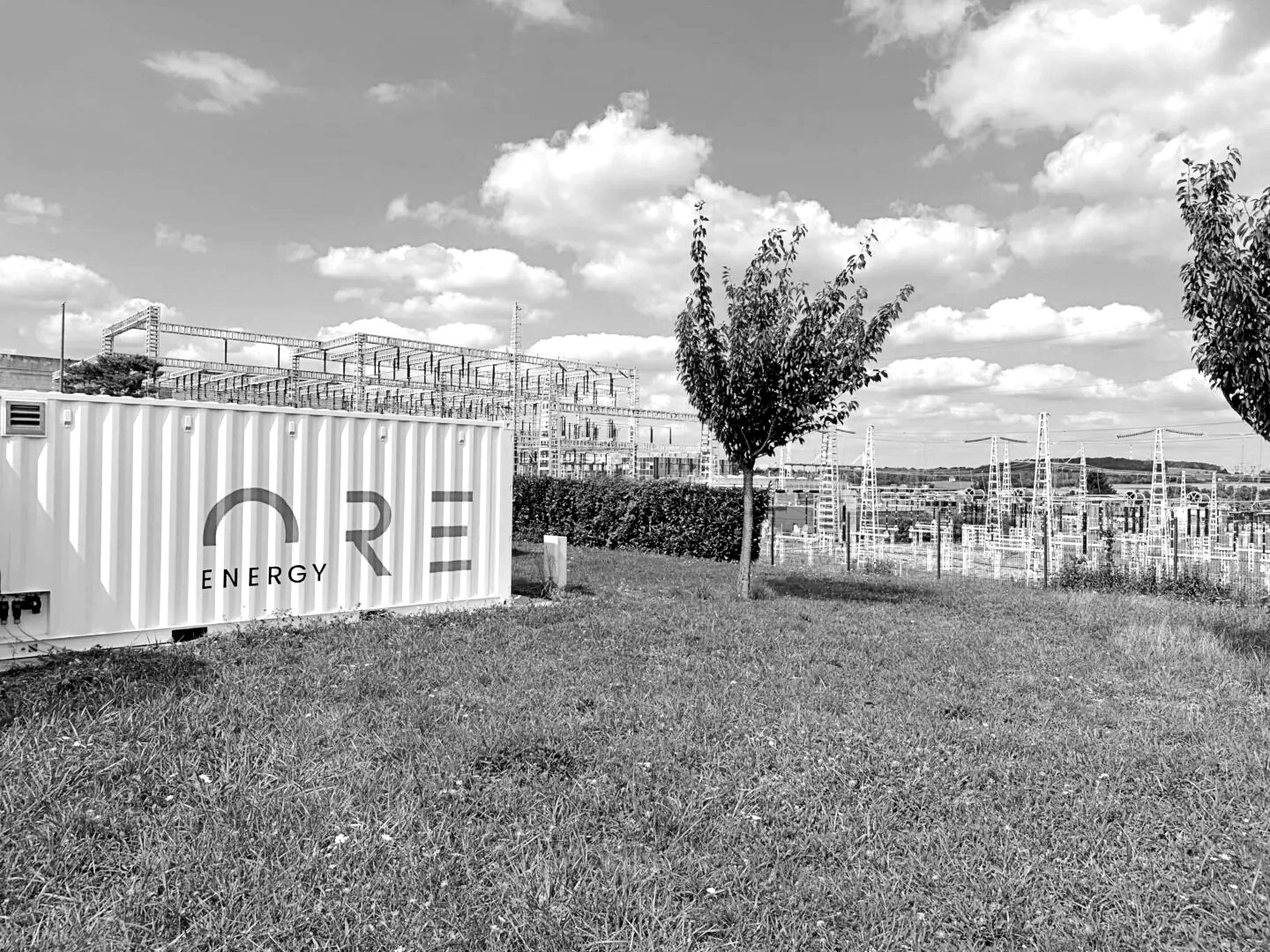
A Dutch startup is advancing a new generation of long-duration batteries based on iron and air, offering a potential breakthrough in Europe’s effort to close its energy storage gap and reduce dependence on critical mineral supply chains. Ore Energy says its technology could provide a scalable and cost-effective solution to support the continent’s transition to renewable energy.
A simple chemistry with strategic implications
At the core of the innovation is a deceptively simple process: the reversible oxidation of iron—essentially rusting and de-rusting. Unlike lithium-ion batteries, which rely on scarce and geopolitically sensitive materials such as lithium, cobalt, and nickel, iron-air batteries are built from abundant and widely available resources.
This material advantage is significant for Europe, which has limited domestic reserves of critical minerals and remains heavily reliant on imports. By shifting to iron-based storage, Ore Energy’s approach could reduce supply chain vulnerabilities while lowering costs.

Solving the long-duration storage challenge
One of the biggest barriers to scaling renewable energy is the lack of efficient long-duration storage. Solar and wind generation are inherently intermittent, creating mismatches between supply and demand. Traditional lithium-ion batteries are effective for short-term storage but become less economical for longer durations.
Ore Energy’s iron-air technology is designed to store energy for extended periods—potentially spanning days—making it particularly suited to balancing renewable grids. This capability could play a key role in stabilising power systems as Europe increases its reliance on clean energy sources.
Cost competitiveness and scalability
A central claim of the technology is its cost advantage. By using low-cost materials and simpler manufacturing processes, iron-air batteries could significantly undercut lithium-ion alternatives on a per-megawatt-hour basis for long-duration applications.
Scalability is another critical factor. The relative abundance of iron means that production can be expanded without the same constraints that affect critical mineral supply chains. This positions the technology as a viable option for large-scale deployment across national grids.
Strategic autonomy and industrial policy
The development aligns with Europe’s broader push for strategic autonomy in energy and technology. Reducing reliance on imported materials—particularly from geopolitically sensitive regions—has become a policy priority in the wake of recent supply disruptions.
Iron-air batteries offer a pathway toward greater self-sufficiency, while also supporting the EU’s climate targets. By enabling more reliable integration of renewables, the technology could accelerate decarbonisation efforts without introducing new dependencies.
Challenges and commercialisation hurdles
Despite its promise, the technology remains in the early stages of commercial deployment. Key challenges include improving efficiency, extending cycle life, and scaling manufacturing to industrial levels.
Market adoption will also depend on how quickly Ore Energy can move from pilot projects to full-scale installations. Competition from established battery technologies and emerging alternatives adds further complexity.
A potential turning point for energy storage
If successfully commercialised, iron-air batteries could represent a structural shift in how energy is stored and managed. Their ability to deliver low-cost, long-duration storage addresses one of the most persistent bottlenecks in the energy transition.
For Europe, the implications are particularly significant. Closing the storage gap is essential to unlocking the full potential of renewable energy—and reducing exposure to volatile global supply chains.
Ore Energy’s rust-powered solution may still be in development, but it points toward a future where energy storage is not only cleaner, but also more resilient and locally anchored.
Newshub Editorial in Europe – April 5, 2026
Recent Comments