
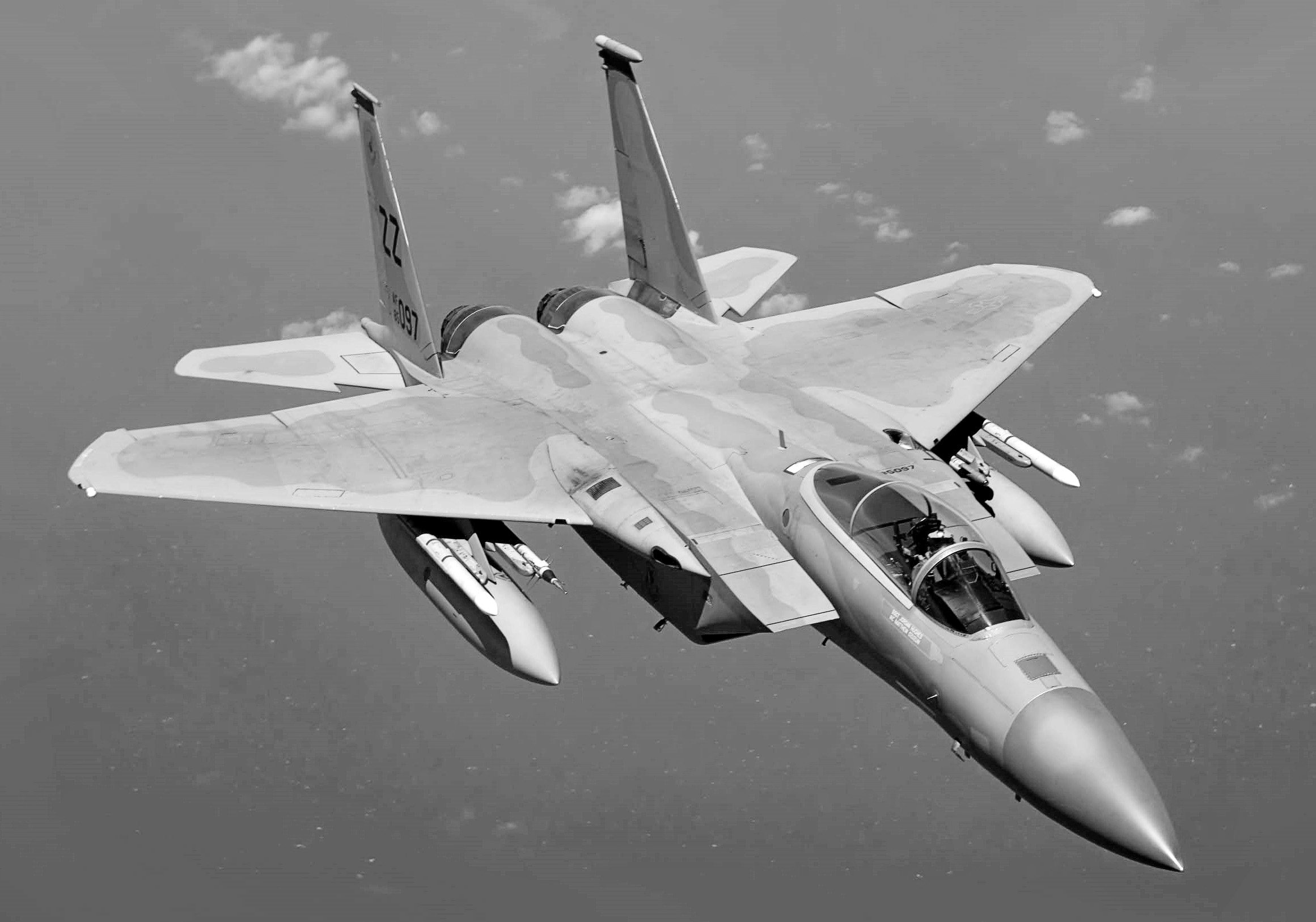
The downing of a US fighter jet over Iran has intensified an already volatile conflict, placing Donald Trump under growing pressure as the risks of escalation rise sharply. The incident, involving a US F-15 aircraft and its two crew members, marks a turning point in the war and underscores the increasing vulnerability of American forces despite earlier claims of air superiority.
A battlefield shock with immediate consequences
According to US officials, the aircraft was shot down during combat operations over Iranian territory, with one crew member successfully rescued and another still missing as search-and-rescue efforts continue.
The incident represents the first confirmed loss of a US piloted fighter jet in the conflict, breaking a streak of thousands of sorties without such an outcome. This shift has immediate operational and symbolic implications, challenging assumptions about control of the airspace and exposing the persistent threat posed by Iran’s air defence systems.

Compounding the situation, additional US aircraft involved in the rescue mission were also hit, though their crews survived, highlighting the contested nature of the environment.
Strategic dilemma for Washington
For the White House, the timing could hardly be worse. President Trump had already been navigating a complex strategic dilemma: how to exit the conflict without appearing to concede ground, while managing domestic and international pressure.
The downing of the jet complicates that calculus. It raises the stakes both militarily and politically, narrowing the range of viable options. Escalation risks further losses, while de-escalation could be perceived as weakness — particularly after strong rhetoric about US dominance.
Intelligence assessments suggest that Iran retains significant missile and drone capabilities, despite sustained US and allied strikes. This reality limits the effectiveness of a purely military solution and reinforces the risk of prolonged engagement.
Human cost and political fallout
Beyond strategy, the incident has brought the human cost of the war into sharper focus. With casualties already mounting, the fate of the missing crew member has become a focal point of concern.
Public sentiment in the United States appears to be shifting. Polling indicates growing support for ending US involvement in the conflict, reflecting fatigue with a war that has expanded in scope and cost.
Politically, the situation introduces new vulnerabilities for the administration. Critics argue that the conflict lacks a clear endgame, while supporters emphasise the need to maintain pressure on Iran.
A conflict entering a more dangerous phase
The loss of the aircraft signals that the war is entering a more unpredictable and dangerous phase. Iran’s ability to contest US air operations suggests that the conflict may evolve into a more prolonged and attritional engagement.
At the same time, the broader regional context — including tensions in the Gulf and disruptions to global energy flows — amplifies the stakes beyond the immediate battlefield.
For the United States, the challenge is no longer just about military capability, but about strategic coherence. The coming weeks will test whether Washington can balance deterrence, diplomacy, and domestic expectations in a conflict that is becoming increasingly difficult to control.
Newshub Editorial in North America – April 4, 2026

If you have an account with ChatGPT you get deeper explanations,
background and context related to what you are reading.
Open an account:
Open an account
Recent Comments