

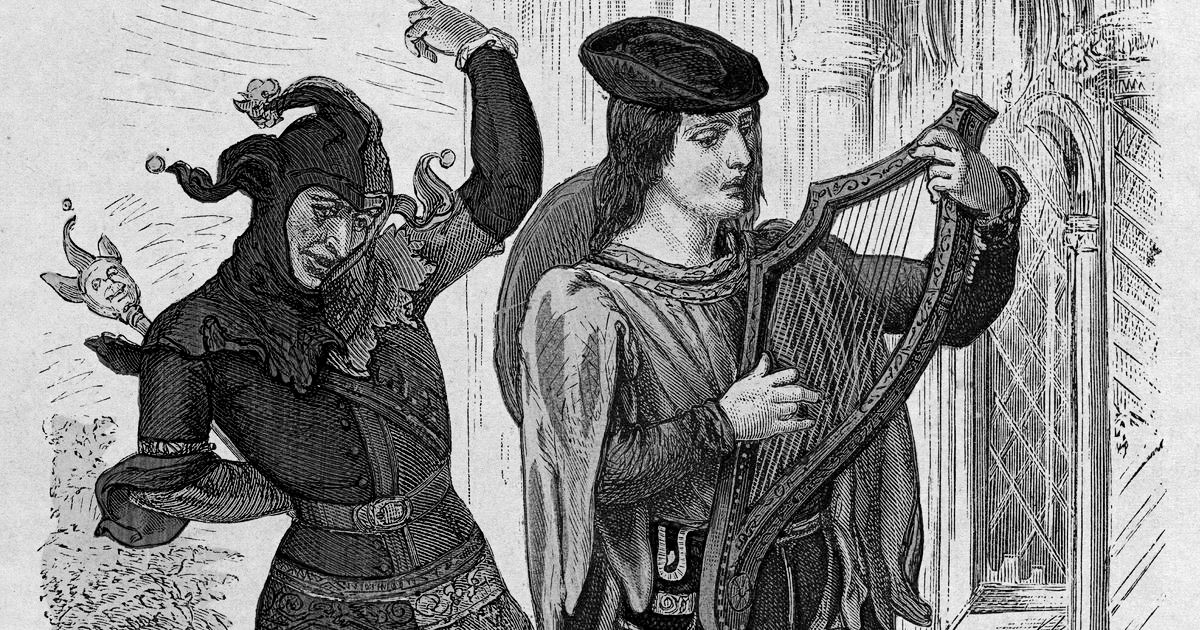
Observed every year on 1 April, April Fools’ Day continues to blur the line between humour and deception, with its roots possibly stretching back to medieval Europe and earlier cultural traditions. While today’s celebrations are largely harmless and light-hearted, historians suggest that the day’s origins may lie in the unruly Feast of Fools, a festival marked by role reversals, satire, and public mockery.
From sacred ritual to social satire
The Feast of Fools, widely celebrated across parts of medieval Europe, took place around New Year’s Day on 1 January. During this festival, social hierarchies were temporarily overturned: clergy members parodied religious rituals, commoners mocked authority figures, and jesters became central figures in public life. Although often criticised by the Church for its excesses, the event reflected a broader cultural tolerance for inversion and satire during specific calendar moments.
Scholars have long debated whether April Fools’ Day directly evolved from this tradition or whether it represents a convergence of multiple seasonal festivals. The transition from a January-based celebration to one in early April may also coincide with calendar reforms, particularly the adoption of the Gregorian calendar in the late 16th century, which shifted New Year’s observances in many regions.

Calendar confusion and the rise of pranks
One widely circulated theory suggests that those who continued to celebrate the New Year in early April—rather than on 1 January—became the targets of ridicule. They were labelled as “April fools” and subjected to practical jokes or hoaxes. While historical evidence for this claim remains inconclusive, the narrative persists as a popular explanation for the day’s customs.
Across Europe, similar traditions emerged. In France, for example, prank victims were called “poisson d’avril” (April fish), often marked by paper fish placed on their backs without their knowledge. In Scotland, the tradition evolved into a two-day event involving elaborate tricks and messenger pranks, while in England, the custom became firmly associated with midday cut-offs for joke-making.
A global tradition in the digital age
In contemporary society, April Fools’ Day has expanded beyond local customs into a global phenomenon. Media organisations, corporations, and technology companies now participate by releasing elaborate hoaxes, often designed to blur plausibility and humour. In recent years, however, concerns about misinformation have led some organisations to scale back their participation or clearly label their jokes.
Despite these changes, the core of April Fools’ Day remains rooted in playful deception and social bonding. The tradition continues to reflect a universal human inclination toward humour, irony, and the temporary suspension of norms.
As the line between fact and fiction becomes increasingly scrutinised in the digital era, April Fools’ Day serves as both a reminder of humour’s cultural value and a cautionary example of how easily narratives can be manipulated.
Newshub Editorial in Europe – April 1, 2026

If you have an account with ChatGPT you get deeper explanations,
background and context related to what you are reading.
Open an account:
Open an account
Recent Comments