

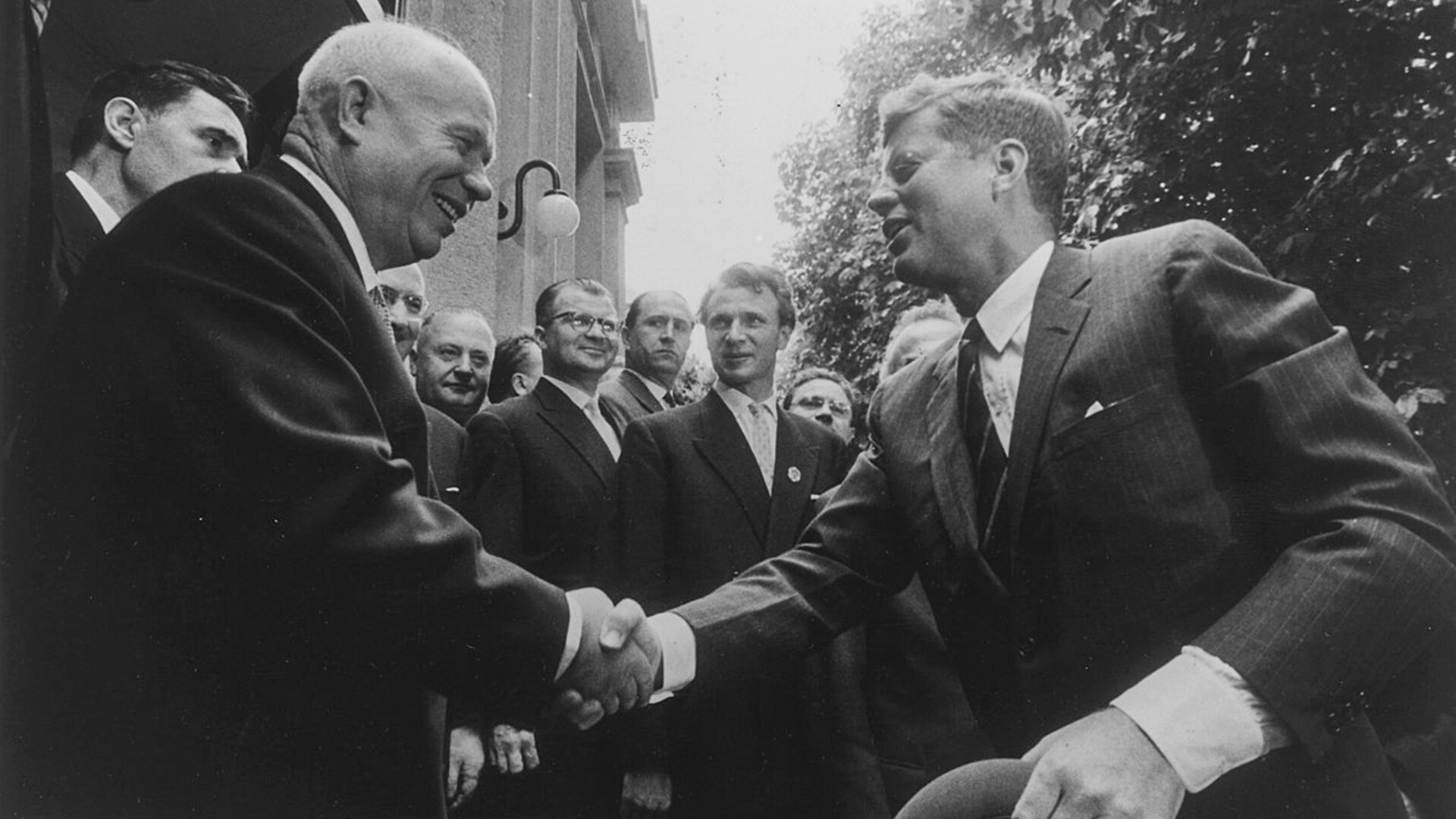
The relationship between Cuba and the United States is one of the most complex and enduring geopolitical narratives in modern history. Shaped by proximity, ideology, economic interests, and shifting global power dynamics, it has moved from colonial entanglement to Cold War confrontation and, more recently, cautious attempts at reconciliation.
From Spanish colony to American sphere of influence
Cuba’s modern relationship with the United States began in the late 19th century, when the island was still a Spanish colony. American economic interests in Cuban sugar and tobacco were already significant, and political developments on the island were closely watched in Washington.
The turning point came with the Spanish-American War in 1898. Following the explosion of the USS Maine in Havana harbour — an event that galvanised American public opinion — the United States intervened militarily. Spain’s defeat marked the end of its colonial rule in Cuba, but independence for the island came with conditions.


Through the Platt Amendment of 1901, the United States secured the right to intervene in Cuban affairs and established a long-term naval presence at Guantánamo Bay. While Cuba became formally independent in 1902, it remained effectively within the American sphere of influence for decades.
Economic integration and political dependency
In the early 20th century, Cuba’s economy became deeply intertwined with that of the United States. American companies dominated key sectors, particularly sugar production, infrastructure, and banking. Havana emerged as both a commercial hub and a destination for American tourism, with investments flowing steadily into the island.
However, this economic integration also created structural dependency. Cuban prosperity was closely tied to US demand and investment cycles, leaving the island vulnerable to external shocks. At the same time, political instability persisted, with frequent changes in leadership and periodic US interventions aimed at maintaining order.
By the mid-20th century, dissatisfaction with inequality, corruption, and foreign influence had grown, setting the stage for a dramatic shift in the bilateral relationship.
The Cuban Revolution and a rupture in relations
The Cuban Revolution of 1959, led by Fidel Castro, marked a fundamental break. Castro’s movement overthrew the US-backed government of Fulgencio Batista and introduced sweeping reforms, including land redistribution and the nationalisation of foreign-owned assets.
For the United States, these actions were unacceptable. American-owned properties were expropriated without compensation, and Cuba’s political alignment began to shift toward the Soviet Union. Diplomatic relations deteriorated rapidly, culminating in a full break in 1961.
The ideological divide was clear: Cuba embraced socialism, while the United States viewed the island as a potential outpost of Soviet influence just 90 miles from its shores.
The Bay of Pigs and escalation of hostility
Tensions escalated further with the failed Bay of Pigs invasion in April 1961. Backed by the US government, Cuban exiles attempted to overthrow Castro’s regime but were quickly defeated.
The operation was a significant embarrassment for the United States and strengthened Castro’s position domestically and internationally. It also pushed Cuba closer to the Soviet Union, deepening Cold War divisions.
The failure of the invasion demonstrated the limits of US intervention and marked the beginning of a prolonged period of hostility characterised by economic sanctions, covert operations, and diplomatic isolation.
The Cuban Missile Crisis: a global flashpoint
The most dangerous moment in US-Cuba relations came in October 1962 during the Cuban Missile Crisis. The discovery of Soviet nuclear missiles on Cuban soil brought the world to the brink of nuclear war.
For thirteen days, the United States and the Soviet Union engaged in a high-stakes standoff. President John F. Kennedy imposed a naval blockade on Cuba, demanding the removal of the missiles. Ultimately, a negotiated settlement was reached: the Soviet Union withdrew its missiles in exchange for US assurances not to invade Cuba and the secret removal of American missiles from Turkey.
The crisis cemented Cuba’s strategic importance in global geopolitics and reinforced its role as a focal point of Cold War tensions.
Decades of embargo and isolation
Following the missile crisis, US policy toward Cuba hardened. A comprehensive economic embargo, first imposed in 1960, was expanded and remains one of the longest-running sanctions regimes in modern history.
The embargo restricted trade, investment, and financial transactions, aiming to isolate Cuba economically and politically. For the Cuban government, it became both a constraint and a narrative tool, often cited as a primary cause of economic hardship.
Despite isolation from the United States, Cuba maintained strong ties with the Soviet Union, receiving economic support and subsidies that sustained its economy through much of the Cold War.
Post-Soviet collapse and economic recalibration
The collapse of the Soviet Union in 1991 marked another turning point. Cuba lost its primary economic partner, leading to a severe crisis known as the “Special Period.” GDP contracted sharply, shortages became widespread, and the government was forced to implement limited economic reforms.
Tourism, remittances, and selective foreign investment became increasingly important as Cuba sought to stabilise its economy. Meanwhile, the United States maintained its embargo, though some restrictions were eased over time, particularly regarding humanitarian goods and family remittances.
This period highlighted both the resilience of the Cuban system and its vulnerabilities in a changing global landscape.
Attempts at rapprochement in the 21st century
After decades of hostility, the early 21st century saw tentative efforts to improve relations. The most significant breakthrough came in 2014, when the United States and Cuba announced the restoration of diplomatic ties.
Embassies were reopened, travel restrictions were eased, and economic engagement increased. The rapprochement raised hopes of a new chapter, with potential benefits for trade, tourism, and regional stability.
However, progress proved fragile. Subsequent policy shifts led to renewed restrictions, and the relationship remains characterised by uncertainty and political sensitivity.
Migration, remittances and human connections
Beyond geopolitics, the relationship between Cuba and the United States is deeply shaped by human connections. Cuban migration to the United States has created a large diaspora, particularly in Florida, influencing both economies and political dynamics.
Remittances from Cuban-Americans have become a vital source of income for many households in Cuba, illustrating how personal ties persist even amid political tension.
Migration policies have also been a recurring source of friction, with periodic crises highlighting the challenges of managing cross-border movement.
A relationship defined by proximity and divergence
Few bilateral relationships are shaped as strongly by geography as that between Cuba and the United States. The two countries are separated by just 90 miles of ocean, yet their political and economic systems have diverged dramatically over the past six decades.
This proximity has amplified both cooperation and conflict, making the relationship uniquely sensitive to changes in policy, leadership, and global context.
The future: between continuity and change
Today, the relationship remains unresolved. The embargo continues to define economic interaction, while diplomatic engagement fluctuates with political cycles in Washington and Havana.
At the same time, structural forces — including economic necessity, regional integration, and generational change — may gradually reshape the dynamic. Increased digital connectivity, evolving economic models, and shifting geopolitical priorities could open new avenues for engagement.
However, significant obstacles remain, including political mistrust, human rights concerns, and entrenched policy positions.
A defining geopolitical narrative
The history of Cuba and the United States is not simply a bilateral story; it is a reflection of broader global dynamics, from colonialism and economic dependency to ideological conflict and modern-day diplomacy.
Over more than a century, the relationship has moved through distinct phases — influence, rupture, confrontation, and cautious engagement — each shaped by the prevailing forces of its time.
As the world continues to evolve, the future of US-Cuba relations will likely remain a key indicator of how historical tensions can be managed — or transformed — in an increasingly interconnected global system.
Newshub Editorial in North America – March 29, 2026

If you have an account with ChatGPT you get deeper explanations,
background and context related to what you are reading.
Open an account:
Open an account
Recent Comments