

US equity markets recorded their steepest decline since the start of the US-Israel war on Iran, as escalating geopolitical tensions and surging oil prices triggered a broad sell-off across major indices.
Major indices fall sharply
The Dow Jones Industrial Average closed approximately 450 points lower, while the S&P 500 dropped 1.7% and the Nasdaq fell 2.3%, pushing the tech-heavy index into correction territory. The sell-off reflects a rapid shift in investor sentiment as markets reassess risk in light of prolonged instability in the Middle East.
Oil shock drives inflation fears
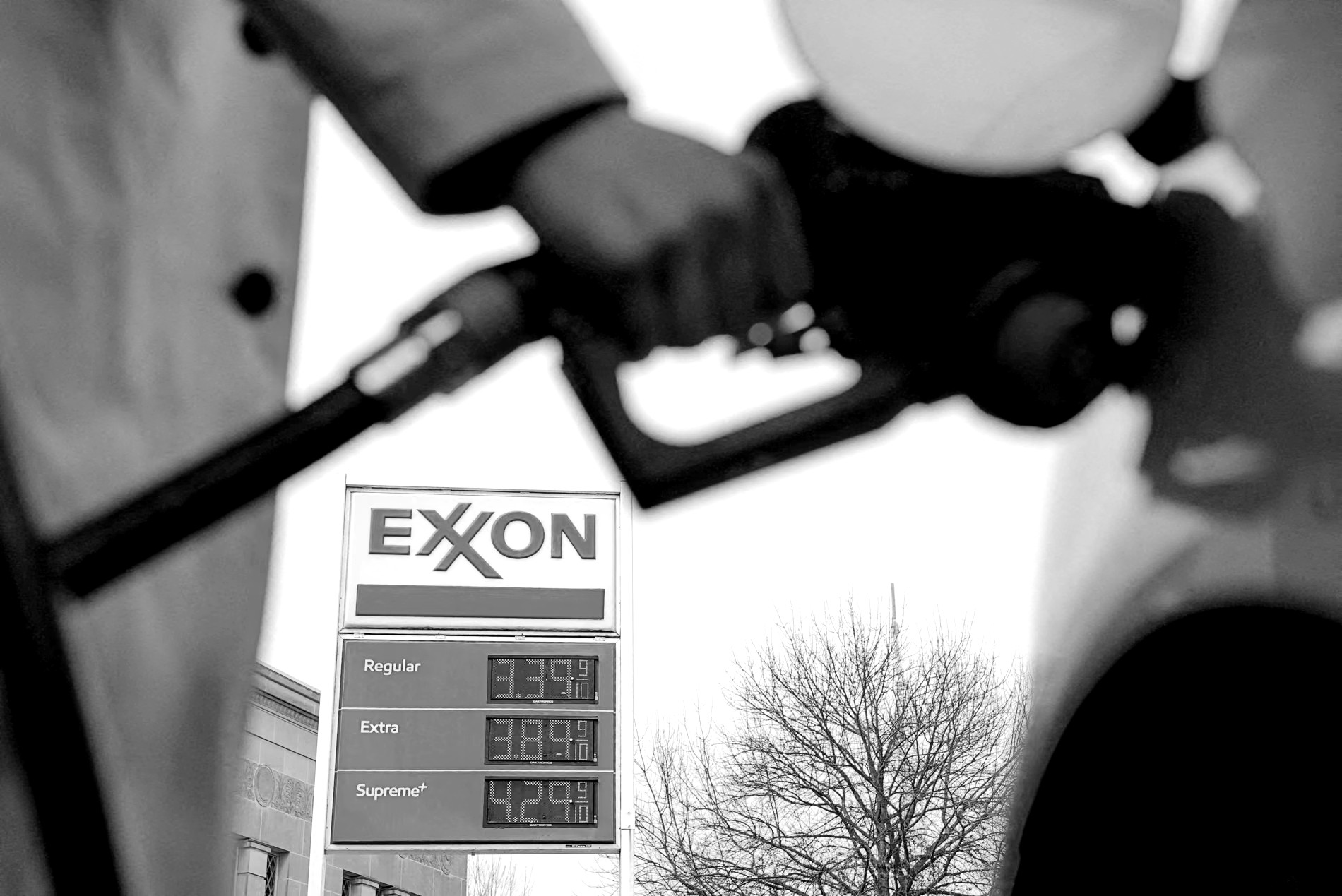
A key driver behind the downturn has been the sharp rise in energy prices. Brent crude surged to around $107–108 per barrel, levels not seen since earlier geopolitical crises, intensifying concerns about inflation and economic slowdown. Higher fuel costs are expected to feed into consumer prices, complicating the outlook for monetary policy and delaying potential interest rate cuts.

Tech sector leads the decline
Technology stocks were among the hardest hit, dragging the Nasdaq into correction territory—defined as a decline of more than 10% from recent highs. Investors moved away from growth-oriented assets amid rising yields and increased uncertainty, favouring defensive positioning instead.
Geopolitical uncertainty unsettles investors
Market volatility has been amplified by mixed signals from Washington regarding the conflict. While the US administration has hinted at both military escalation and ongoing negotiations with Iran, the lack of a clear trajectory has heightened uncertainty. Reports of potential troop deployments and threats to energy infrastructure have further unsettled markets.
Broader economic implications emerging
The downturn highlights growing concern that the conflict could have wider economic consequences. Rising energy costs, disrupted supply chains, and increased geopolitical risk are all contributing to a more fragile global outlook. Analysts warn that prolonged instability could weigh on corporate earnings and consumer demand in the months ahead.
Volatility likely to persist
With no clear resolution in sight, markets are expected to remain highly sensitive to developments in the Middle East. Investors are likely to monitor oil prices, inflation data, and diplomatic signals closely, as these factors will determine whether the current correction deepens or stabilises in the near term.
Newshub Editorial in North America – March 27, 2026

If you have an account with ChatGPT you get deeper explanations,
background and context related to what you are reading.
Open an account:
Open an account
Recent Comments