

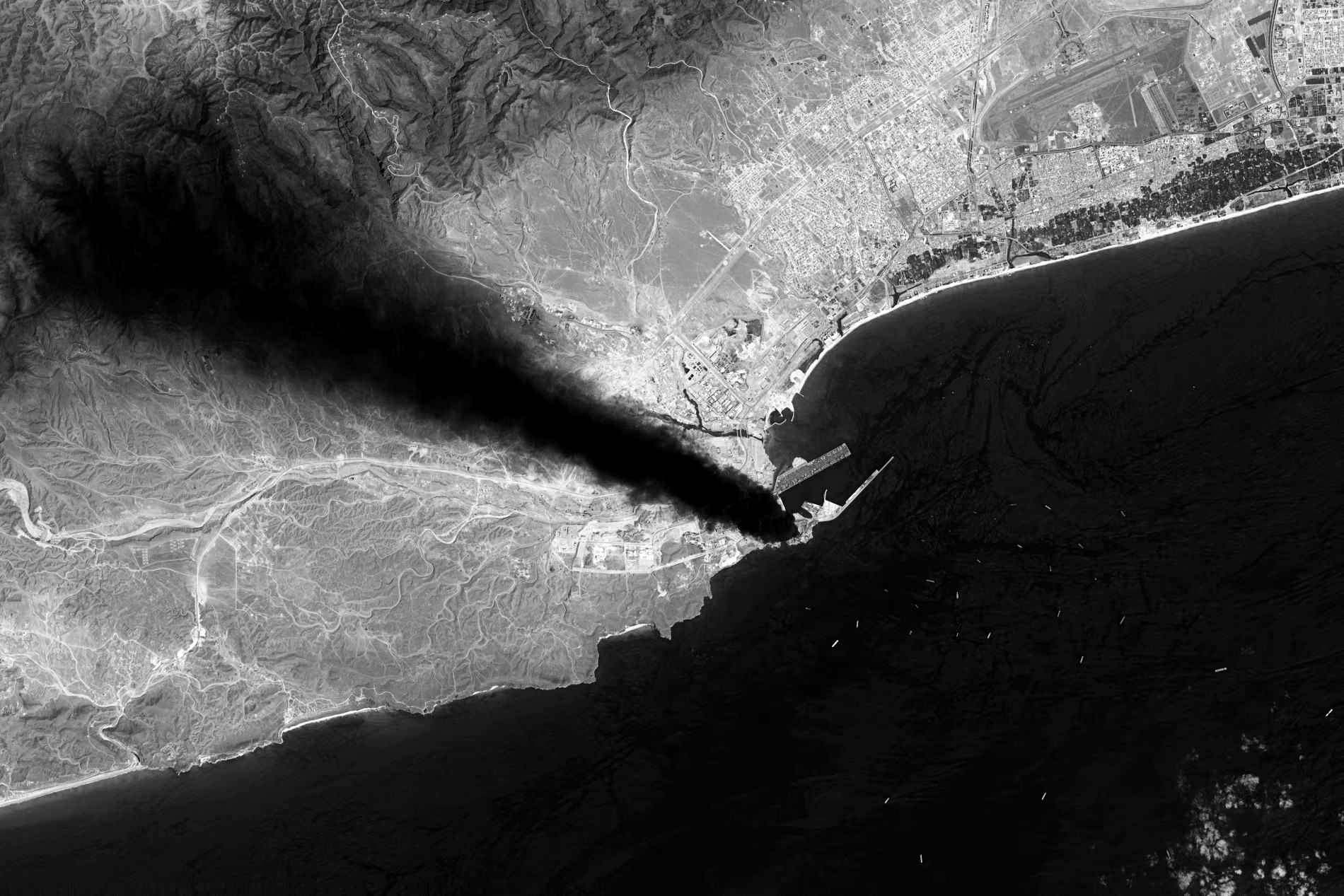
The ongoing Iran war is emerging as a pivotal moment for the global clean energy transition, simultaneously accelerating the strategic case for renewables while introducing new economic and logistical barriers to their expansion.
Energy security overtakes climate as primary driver
One of the most immediate impacts of the conflict has been a sharp disruption to global oil and gas supplies, particularly through the Strait of Hormuz, a critical artery for energy flows. This has pushed energy security to the forefront of policymaking. Governments are increasingly viewing renewable energy not just as a climate solution, but as a strategic necessity to reduce dependence on volatile fossil fuel markets.
Higher fossil fuel prices strengthen the case for renewables
Rising oil prices—above $100 per barrel in recent weeks—have made renewable energy comparatively more attractive. For energy-importing nations, the volatility of fossil fuel markets is reinforcing the economic logic of investing in domestic solar, wind, and battery infrastructure. Analysts note that such crises often act as catalysts for long-term structural shifts in energy systems.

Short-term setbacks complicate the transition
Despite this momentum, the war is also creating significant obstacles. Supply chain disruptions—particularly in materials such as aluminium and other industrial inputs—are increasing the cost of building renewable infrastructure. At the same time, inflation and economic uncertainty are making financing more expensive, leading to delays or cancellations of clean energy projects in some regions.
Return to fossil fuels risks ‘carbon lock-in’
In the short term, many countries are turning back to coal and other fossil fuels to stabilise energy supply, especially where gas imports have been disrupted. This response risks creating long-term dependencies on carbon-intensive energy systems, a phenomenon often referred to as “carbon lock-in”. Elevated profits for oil and gas producers are also incentivising further investment in fossil fuel infrastructure.
Fragmentation of global energy markets
The conflict is accelerating a broader fragmentation of global energy systems. Countries are increasingly prioritising domestic production and regional alliances over global integration. While this may enhance resilience, it can also slow the transfer of technology, capital, and materials needed for a coordinated global energy transition.
A turning point with lasting implications
The Iran war underscores a central paradox: crises that expose the vulnerabilities of fossil fuel dependence can accelerate the shift to clean energy, yet the same disruptions can delay progress in the near term. The long-term outcome will depend on policy choices—whether governments double down on renewables and electrification, or revert to fossil fuels for stability.
As the conflict continues, the clean energy transition is no longer driven solely by climate goals. It is increasingly shaped by geopolitics, security, and economic resilience—factors that may ultimately redefine the speed and direction of the global shift toward sustainable energy.
Newshub Editorial in Global – March 27, 2026

If you have an account with ChatGPT you get deeper explanations,
background and context related to what you are reading.
Open an account:
Open an account
Recent Comments