
Saudi Arabia is intensifying its economic engagement with Africa, as the Gulf kingdom seeks to diversify its global partnerships and expand its influence across fast-growing emerging markets.
Strategic pivot beyond oil dependence
The push into Africa forms part of Saudi Arabia’s broader Vision 2030 strategy, aimed at reducing reliance on oil revenues while building a more diversified and globally integrated economy. African markets, with their expanding populations and increasing demand for infrastructure, energy, and financial services, present a natural avenue for long-term growth.
Saudi policymakers are positioning the kingdom not only as an energy supplier but also as a strategic investor across multiple sectors, including logistics, mining, agriculture, and renewable energy.

Trade and investment flows gaining momentum
Recent years have seen a marked increase in trade volumes and bilateral agreements between Saudi Arabia and several African nations. The kingdom is actively pursuing partnerships that extend beyond traditional oil exports, focusing instead on long-term capital deployment and joint development initiatives.
State-backed institutions and sovereign funds are playing a central role, providing financing for infrastructure projects and facilitating cross-border investment. These efforts are designed to create mutually beneficial economic links, particularly in countries seeking external capital to support development.
Energy transition creates new opportunities
Energy remains a cornerstone of the relationship, but the nature of engagement is evolving. Saudi Arabia is increasingly investing in renewable energy projects across Africa, including solar and wind developments, aligning with global trends toward energy transition.
At the same time, the kingdom continues to leverage its expertise in conventional energy markets, offering integrated solutions that combine oil, gas, and renewables. This hybrid approach enables Saudi Arabia to maintain relevance while adapting to shifting global demand patterns.
Infrastructure and logistics at the forefront
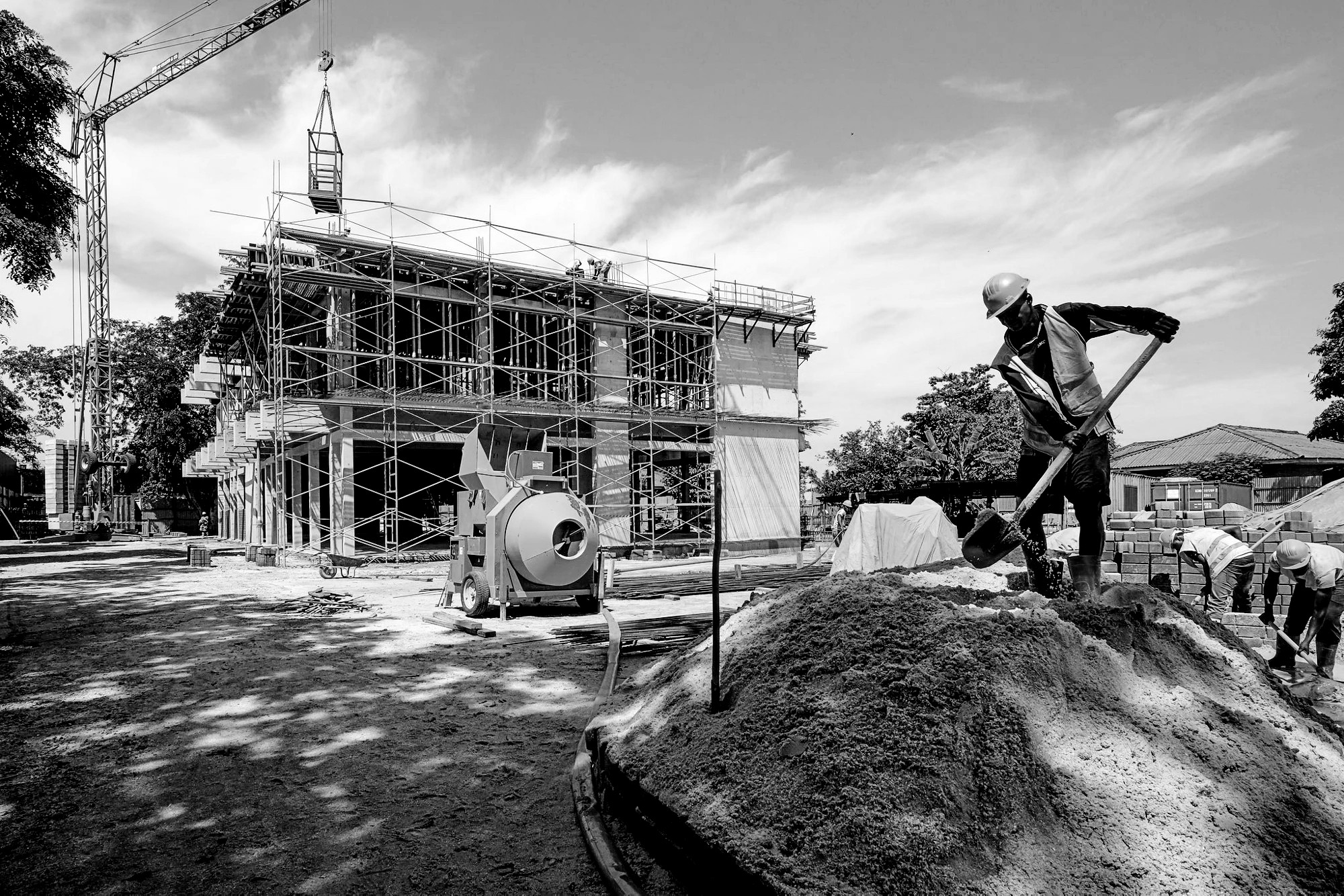
Infrastructure development is another key focus area. African economies face significant gaps in transport, housing, and industrial capacity—areas where Saudi capital and construction expertise can play a transformative role.
Projects ranging from port development to urban housing and industrial zones are being explored, often structured through public-private partnerships. These initiatives not only support local economic growth but also strengthen trade corridors linking Africa to the Middle East and beyond.
Geopolitical and economic implications
Saudi Arabia’s expansion into Africa also carries geopolitical significance. By deepening its presence on the continent, the kingdom is positioning itself alongside other major global players—including China, the European Union, and the United States—competing for influence in one of the world’s most dynamic regions.
For African nations, the influx of Gulf capital offers both opportunities and challenges. While increased investment can accelerate development, it also requires careful management to ensure sustainable growth and balanced partnerships.
A long-term growth frontier
Looking ahead, Saudi Arabia’s engagement with Africa is expected to deepen further, driven by aligned economic interests and complementary growth trajectories. The continent’s demographic expansion and resource base, combined with Saudi Arabia’s capital and strategic ambition, create a compelling framework for long-term cooperation.
As the kingdom continues to extend its economic reach, Africa is emerging as a central pillar in its global diversification strategy—highlighting a shift from oil dominance toward a broader, more integrated economic model.
Newshub Editorial in Middle East – March 26, 2026

If you have an account with ChatGPT you get deeper explanations,
background and context related to what you are reading.
Open an account:
Open an account
Recent Comments