

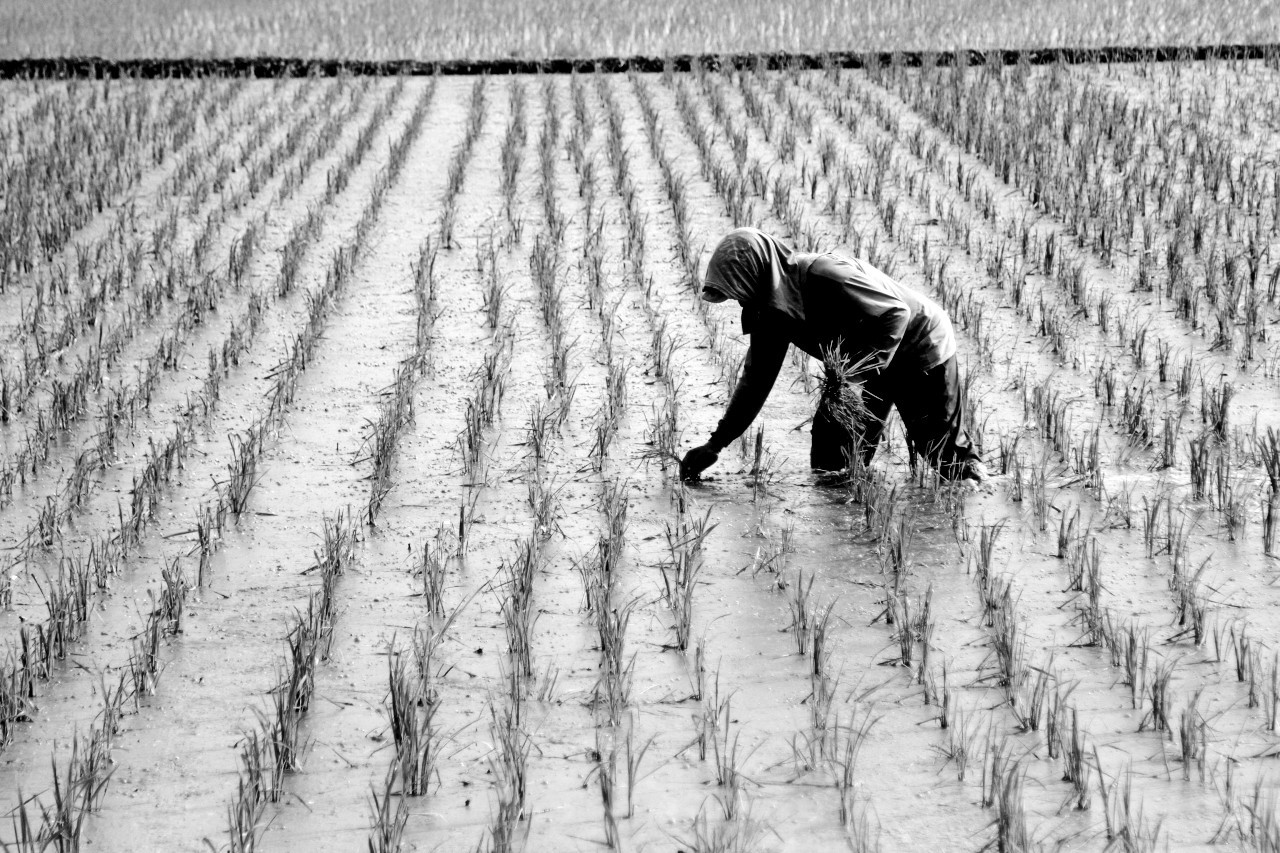
Disproportionate impact on low-income countries
A new analysis indicates that global warming of 2°C could dramatically increase food insecurity worldwide, with low-income countries facing a far more severe and accelerated deterioration in their food systems compared to wealthier nations. The findings highlight a widening gap in resilience, as vulnerable regions struggle to cope with climate-driven disruptions to agriculture and supply chains.
Food systems under mounting pressure
The research suggests that food systems in poorer countries could deteriorate up to seven times faster than those in high-income economies under a 2°C warming scenario. This imbalance reflects structural differences, including limited infrastructure, weaker access to technology, and higher dependence on rain-fed agriculture.
Extreme weather events—ranging from prolonged droughts to intense flooding—are expected to become more frequent and severe, directly affecting crop yields and livestock productivity. These pressures are compounded by soil degradation, water scarcity, and shifting growing seasons, all of which reduce agricultural reliability.

Economic vulnerability amplifies the crisis
In low-income nations, a large share of the population relies on agriculture for both income and subsistence. As climate shocks intensify, households face declining yields and rising food prices, increasing the risk of malnutrition and poverty.
Wealthier countries, by contrast, are better positioned to absorb such shocks through advanced farming technologies, diversified supply chains, and stronger financial systems. This disparity underscores how climate change is not only an environmental issue but also a driver of economic inequality.
Global supply chains at risk
The implications extend beyond national borders. As food production becomes more volatile in vulnerable regions, global supply chains could experience increased instability, leading to price fluctuations and potential shortages in international markets.
Export-dependent economies may face reduced revenues, while import-dependent countries could encounter higher costs and reduced availability of essential food commodities. These dynamics have the potential to trigger broader economic and social consequences, including migration pressures and political instability.
Policy responses and adaptation challenges
Addressing the growing risk of food insecurity will require coordinated global action, including investment in climate-resilient agriculture, improved irrigation systems, and access to drought-resistant crops. Strengthening local food systems and enhancing early warning mechanisms will also be critical.
However, financing remains a major constraint. Many of the countries most at risk lack the fiscal capacity to implement large-scale adaptation measures, increasing their dependence on international support and climate finance initiatives.
A widening global divide
The analysis reinforces a central concern in climate economics: the uneven distribution of impacts. While global warming affects all regions, its consequences are expected to fall disproportionately on those least equipped to respond.
Without significant intervention, a 2°C increase in global temperatures could deepen existing inequalities, leaving millions more exposed to food insecurity and undermining long-term development prospects across vulnerable regions.
Newshub Editorial in Global – March 24, 2026

If you have an account with ChatGPT you get deeper explanations,
background and context related to what you are reading.
Open an account:
Open an account
Recent Comments