

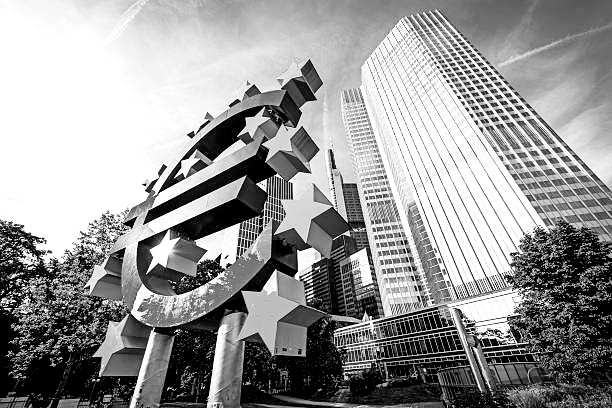
Energy volatility and Middle East risks dominate early trading
European stock markets opened lower on Monday as المستثمر sentiment weakened amid escalating tensions in the Middle East, rising oil prices, and growing concerns over global economic stability.
Major indices start the week in negative territory
Early trading saw broad declines across the continent’s leading indices. Germany’s DAX slipped sharply, while France’s CAC 40 and the UK’s FTSE 100 also opened in the red, reflecting a coordinated risk-off move across European equities.
The downturn follows heavy losses in Asian markets earlier in the day, setting a negative tone for global trading as investors react to heightened geopolitical uncertainty linked to Iran and the potential disruption of critical energy infrastructure.

Energy sector provides limited support
Energy stocks were among the few gainers in early trade, supported by elevated oil prices. Brent crude remained volatile but traded at elevated levels following supply concerns tied to tensions around the Strait of Hormuz.
Major European oil and gas companies saw modest gains, partially offsetting broader market weakness. However, the strength in energy shares was insufficient to counterbalance declines in industrials, financials, and consumer sectors.
Inflation concerns resurface amid oil spike
The renewed surge in oil prices has reignited inflation concerns across the eurozone and the UK. Higher energy costs are expected to feed through into transport, manufacturing, and consumer prices, complicating the outlook for central banks.
Investors are increasingly pricing in the possibility that interest rate cuts could be delayed, as policymakers weigh the risk of inflationary pressures against slowing economic growth.
Defensive sectors attract investor interest
In response to rising uncertainty, investors rotated into defensive sectors such as utilities, healthcare, and consumer staples. These segments typically offer more stable earnings profiles during periods of volatility.
At the same time, cyclical sectors – including automotive, travel, and luxury goods – faced selling pressure as concerns over demand and global trade intensified.
Market direction hinges on geopolitical developments
Analysts note that European market performance in the coming days will be closely tied to developments in the Middle East. Any escalation involving energy infrastructure could further disrupt markets, while signs of de-escalation may provide relief.
For now, volatility remains elevated, with oil prices acting as a key driver of sentiment. Investors are expected to remain cautious, closely monitoring both geopolitical signals and macroeconomic data releases.
Newshub Editorial in Europe – March 23, 2026

If you have an account with ChatGPT you get deeper explanations,
background and context related to what you are reading.
Open an account:
Open an account
Recent Comments