

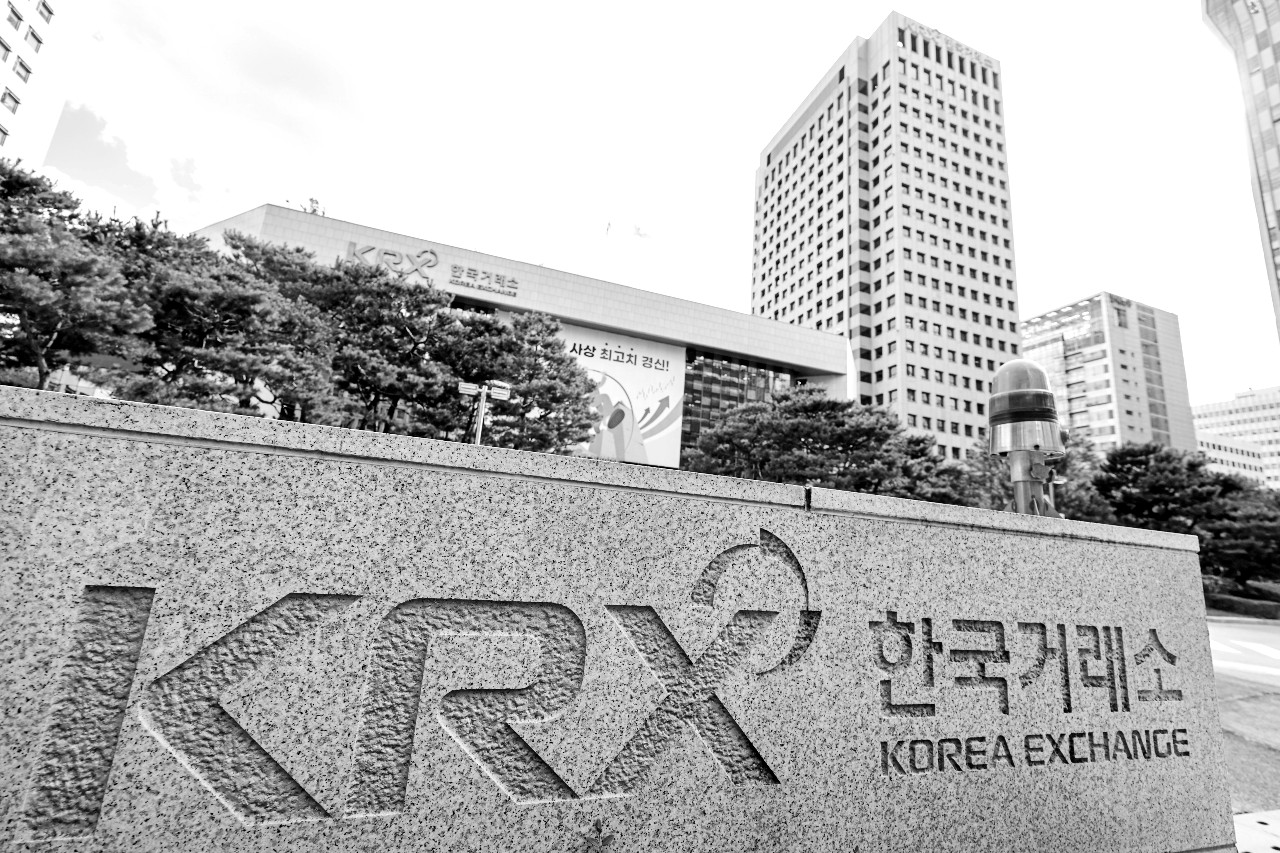
A new week of market turbulence has begun across Asia, driven by escalating geopolitical tensions after US President Donald Trump threatened to strike Iran’s energy infrastructure unless Tehran reopens the Strait of Hormuz—an ultimatum Iran has firmly rejected. The sharp escalation has sent shockwaves through financial markets, triggering broad-based declines and a renewed surge in oil prices.
Tokyo leads regional losses with sharp decline
Japan’s benchmark Nikkei 225 fell sharply at the open, dropping 3.55 per cent as investors reacted to the heightened risk environment. Export-heavy sectors were hit particularly hard, as concerns over disrupted global trade routes and rising energy costs weighed heavily on sentiment. The decline reflects both immediate geopolitical fears and longer-term concerns over supply chain disruptions linked to the Strait of Hormuz, a critical artery for global النفط flows.
Broad sell-off across Greater China and Taiwan
The negative sentiment spread quickly across the region. Hong Kong’s Hang Seng Index dropped 3.2 per cent in early trading, with technology and financial stocks leading the downturn. In mainland China, the Shanghai Composite fell 2.1 per cent, while the Shenzhen Index declined by 1.6 per cent, reflecting cautious positioning among domestic and international investors alike.

Taiwan’s market also came under pressure, with its main index falling 2.5 per cent. Semiconductor and technology firms—key pillars of Taiwan’s economy—were particularly vulnerable as investors reassessed global demand risks in an increasingly unstable geopolitical environment.
Oil prices surge as supply fears intensify
Adding to market volatility, oil prices surged once again as trading opened on international futures markets. Brent crude from the North Sea rose to approximately $114 per barrel, reflecting growing fears of supply disruptions in the Middle East. The Strait of Hormuz is one of the world’s most strategically vital النفط chokepoints, and any prolonged closure or military escalation could significantly constrain global supply.
Higher oil prices are expected to feed into inflationary pressures worldwide, complicating the policy outlook for central banks and potentially delaying anticipated interest rate cuts.
Markets brace for prolonged volatility
The sharp declines across Asian markets underscore the fragility of current investor sentiment, which remains highly sensitive to geopolitical developments. With Iran signalling no intention to comply with US demands, the risk of further escalation remains elevated.
Market participants are now closely monitoring both diplomatic signals and potential military developments in the region. In the absence of de-escalation, volatility is expected to persist, with energy prices and risk assets likely to remain tightly correlated.
The coming days will be critical in determining whether this latest geopolitical flashpoint evolves into a broader crisis with lasting implications for global markets and economic stability.
Newshub Editorial in Asia – March 23, 2026

If you have an account with ChatGPT you get deeper explanations,
background and context related to what you are reading.
Open an account:
Open an account
Recent Comments