

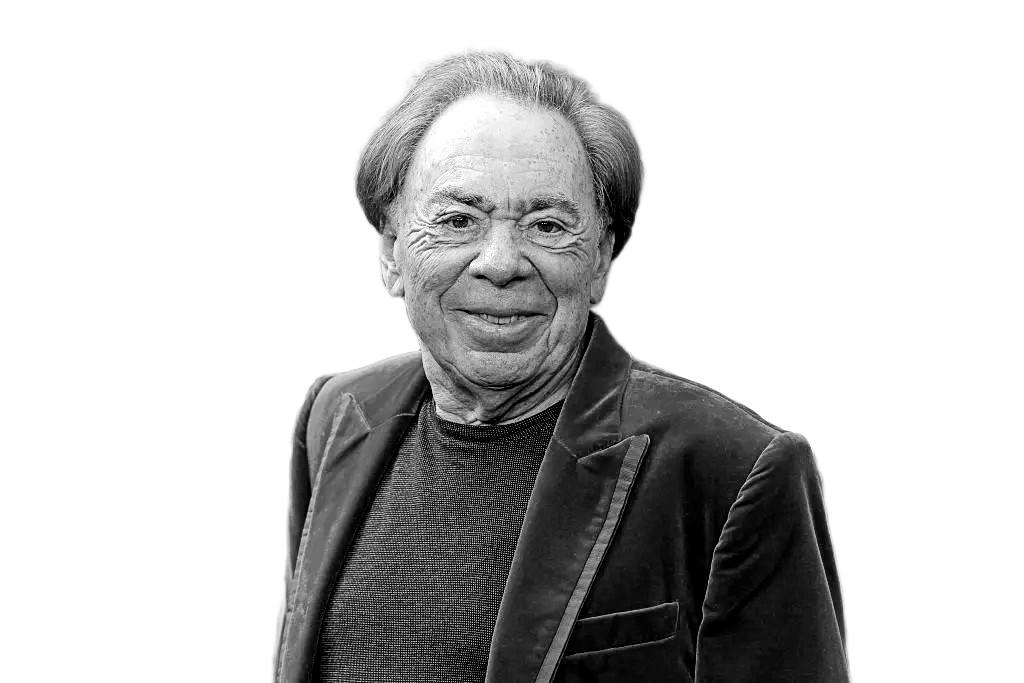
Andrew Lloyd Webber has shaped contemporary musical theatre more profoundly than almost any composer of the modern era, blending classical composition with popular appeal to create some of the most commercially successful stage productions in history.
From prodigy to powerhouse composer
Born in London in 1948, Andrew Lloyd Webber displayed musical talent from an early age. The son of a composer and a violinist, he was immersed in classical traditions before developing an interest in musical theatre. His early collaboration with lyricist Tim Rice proved decisive, resulting in breakthrough works such as Joseph and the Amazing Technicolor Dreamcoat and Jesus Christ Superstar. These productions introduced a modern, rock-influenced sound that challenged traditional West End and Broadway conventions.
Global success and defining works
Webber’s career reached extraordinary heights with a string of landmark productions. Evita (1978) brought political drama to the musical stage, while Cats (1981) became one of the longest-running shows in theatre history. However, it was The Phantom of the Opera (1986) that cemented his legacy, combining operatic grandeur with accessible melodies and becoming a global phenomenon.

His works have been staged in over 40 countries and translated into numerous languages, generating billions in box office revenue. The scale of his productions, often featuring elaborate staging and technical innovation, helped redefine audience expectations of musical theatre.
Business acumen and industry influence
Beyond composition, Webber has played a significant role as a theatre impresario. Through his company, Really Useful Group, he has produced and licensed many of his own works, retaining substantial control over intellectual property and revenue streams. This vertically integrated model has influenced how modern theatrical productions are financed and distributed.
His commercial success has also had broader implications for the entertainment industry, demonstrating that musical theatre can operate at a scale comparable to film and global touring concerts.
Recognition and cultural legacy
Over the decades, Webber has received numerous accolades, including multiple Tony Awards, Grammy Awards, and an Academy Award. He is also one of the few artists to achieve EGOT status, reflecting excellence across television, music, film, and theatre.
In 1992, he was knighted, and later elevated to the peerage as Baron Lloyd-Webber, recognising his contribution to British culture. His influence extends beyond the stage, shaping how music, storytelling, and spectacle are integrated in modern entertainment.
A lasting imprint on global theatre
Andrew Lloyd Webber’s work continues to attract new generations of audiences, with revivals and adaptations ensuring his compositions remain relevant. While critics have at times debated the artistic depth of his productions, their enduring popularity and economic impact are undeniable.
His legacy lies not only in memorable melodies but in transforming musical theatre into a global, commercially powerful art form that bridges high culture and mass entertainment.
Newshub Editorial in Europe – March 22, 2026

If you have an account with ChatGPT you get deeper explanations,
background and context related to what you are reading.
Open an account:
Open an account
Recent Comments