

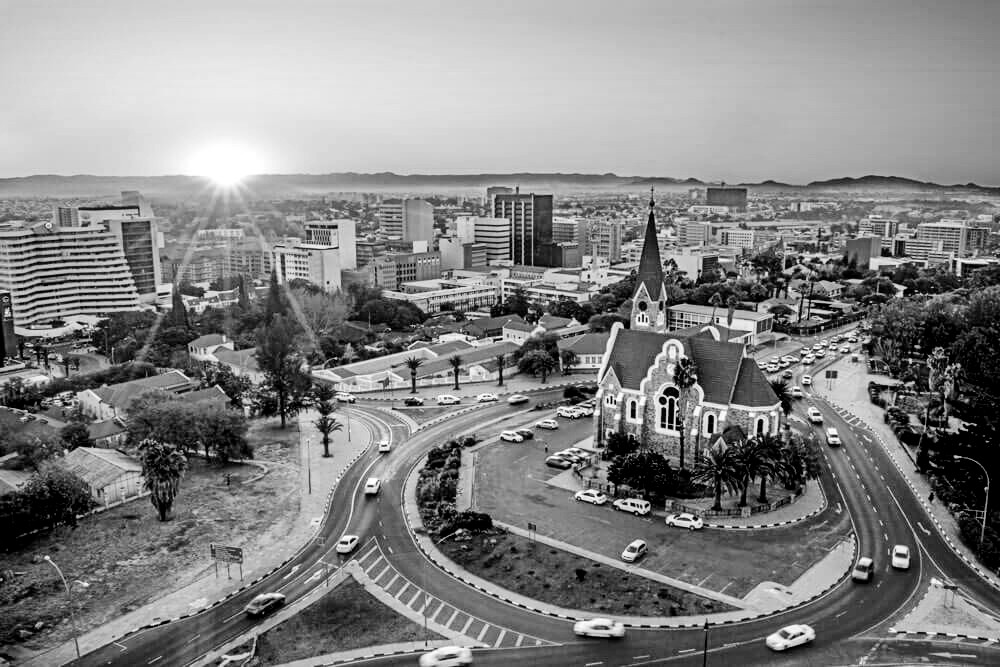
On 21 March 1990, Namibia formally became an independent nation, marking the end of decades of colonial rule and one of Africa’s last major decolonisation processes. The transition followed prolonged international pressure, armed संघर्ष, and complex negotiations involving regional and global powers.
A long road from mandate to occupation
Namibia’s modern history is rooted in its time as a German colony, known as German South West Africa, until the end of the First World War. Following Germany’s defeat, the territory was placed under a League of Nations mandate and administered by South Africa. Over time, South Africa effectively treated Namibia as a fifth province, extending its apartheid policies into the territory despite growing international opposition.
The United Nations later revoked South Africa’s mandate, declaring its presence illegal. However, Pretoria remained in control, leading to increasing diplomatic tensions and resistance from liberation movements.

The rise of SWAPO and armed struggle
The South West Africa People’s Organization (SWAPO) emerged as the leading force in Namibia’s independence movement. Beginning in the 1960s, SWAPO launched an armed struggle against South African rule, operating both within Namibia and from neighbouring countries such as Angola and Zambia.
The conflict became entangled in the broader Cold War dynamics, with Cuba and the Soviet Union supporting liberation forces, while South Africa received backing from Western allies concerned about communist influence in southern Africa.
International diplomacy and the turning point
By the late 1980s, shifting geopolitical realities created conditions for a negotiated settlement. Key to this process was the Tripartite Accord of 1988, involving South Africa, Angola, and Cuba, which linked Namibia’s independence to the withdrawal of Cuban troops from Angola.
The agreement paved the way for United Nations-supervised elections in 1989. SWAPO secured a majority, though not the two-thirds required to unilaterally draft a constitution, leading to a consensus-driven constitutional process.
Independence and nation-building
On 21 March 1990, Namibia officially gained independence, with Sam Nujoma sworn in as the country’s first president. The ceremony, attended by international dignitaries, symbolised both the end of colonial rule and the beginning of a new democratic era.
Namibia adopted a constitution widely regarded as progressive, emphasising human rights, the rule of law, and multiparty democracy. Since independence, the country has maintained relative political stability compared to many of its regional peers.
Economic and social legacy
Despite political stability, Namibia inherited deep structural inequalities rooted in colonial and apartheid-era policies. Land distribution, economic concentration, and disparities in wealth and access to services remain ongoing challenges.
However, Namibia has also made notable progress in governance, infrastructure development, and natural resource management, particularly in mining and tourism.
A lasting milestone in African history
Namibia’s independence represents a significant milestone in Africa’s decolonisation narrative, illustrating the intersection of local resistance and global diplomacy. It remains one of the final chapters in the continent’s transition from colonial rule to sovereign statehood.
Newshub Editorial in Africa – 21 March 2026

If you have an account with ChatGPT you get deeper explanations,
background and context related to what you are reading.
Open an account:
Open an account
Recent Comments