

A controversial comment in a tense geopolitical moment
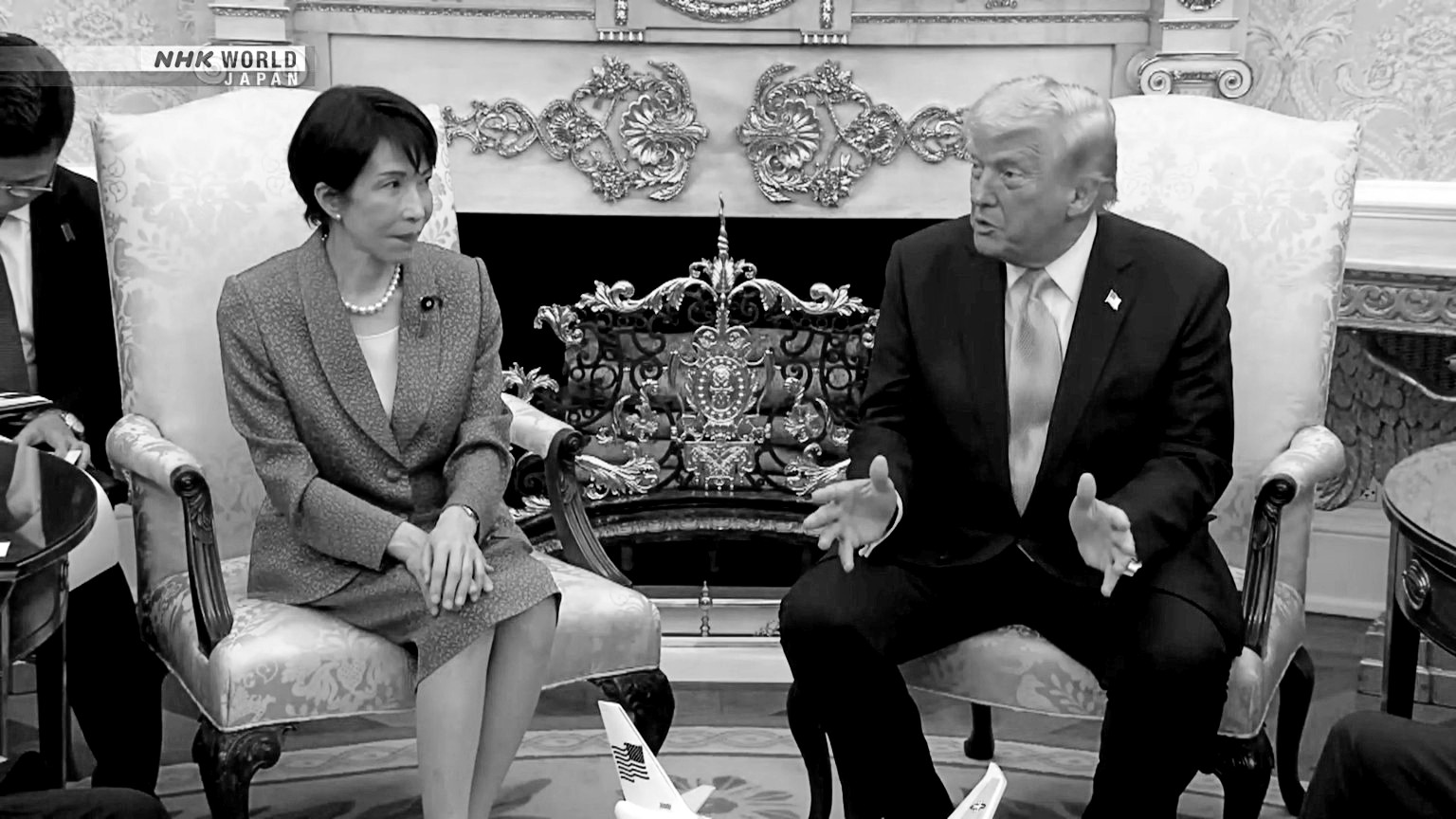
US President Donald Trump has drawn sharp criticism after invoking Japan’s 1941 Pearl Harbor attack during a live meeting with Japanese Prime Minister Sanae Takaichi, in response to questions about the ongoing Iran conflict.
The remark came as Trump defended his administration’s decision not to inform allies ahead of recent military actions targeting Iran. Emphasising the strategic importance of surprise in warfare, the president stated: “Who knows better about surprise than Japan?” before adding, “Why didn’t you tell me about Pearl Harbor?”
Diplomatic discomfort and historical sensitivity
The comment, referencing one of the most traumatic events in US history, appeared to unsettle the Japanese prime minister, who maintained diplomatic composure but did not directly respond. Observers noted visible discomfort in the room as the historical comparison was made.

The attack on Pearl Harbor in December 1941 killed more than 2,400 Americans and led to the United States entering the second world war. The event remains a highly sensitive subject in both American and Japanese historical memory, forming a cornerstone of modern US–Japan relations.
Trump’s remark therefore struck a particularly delicate nerve, given Japan’s post-war pacifist stance and its constitutional limitations on military engagement.
Context: secrecy around Iran strikes
The president’s comments were made amid growing scrutiny over the lack of prior consultation with allies before US-led strikes in Iran. The administration has repeatedly defended the approach, arguing that operational secrecy was necessary to maximise impact and minimise risk.
However, critics argue that bypassing allies risks undermining trust within longstanding security partnerships, particularly in Asia and Europe. The reference to Pearl Harbor — itself a surprise military attack — has intensified concerns about both tone and diplomatic messaging.
Mixed reactions at home and abroad
Reactions to the comment have been polarised. Supporters framed the remark as characteristic of Trump’s direct and unscripted communication style, while critics described it as inappropriate and historically insensitive.
Political analysts and commentators highlighted the broader implications, noting that invoking wartime trauma in a modern diplomatic setting risks complicating already fragile geopolitical dynamics.
Broader implications for alliances
The episode comes at a time of heightened global tension, with the Iran conflict reshaping alliances and forcing countries such as Japan to balance security cooperation with constitutional and domestic constraints.
Japan has historically relied on the United States for security guarantees, yet remains cautious about direct involvement in overseas conflicts. The incident underscores the delicate balance between strategic alignment and political sensitivity in international diplomacy.
As the Iran situation continues to evolve, the diplomatic fallout from such remarks may influence not only bilateral relations but also broader alliance cohesion at a critical moment for global security.
Newshub Editorial in North America – March 20, 2026

If you have an account with ChatGPT you get deeper explanations,
background and context related to what you are reading.
Open an account:
Open an account
Recent Comments