

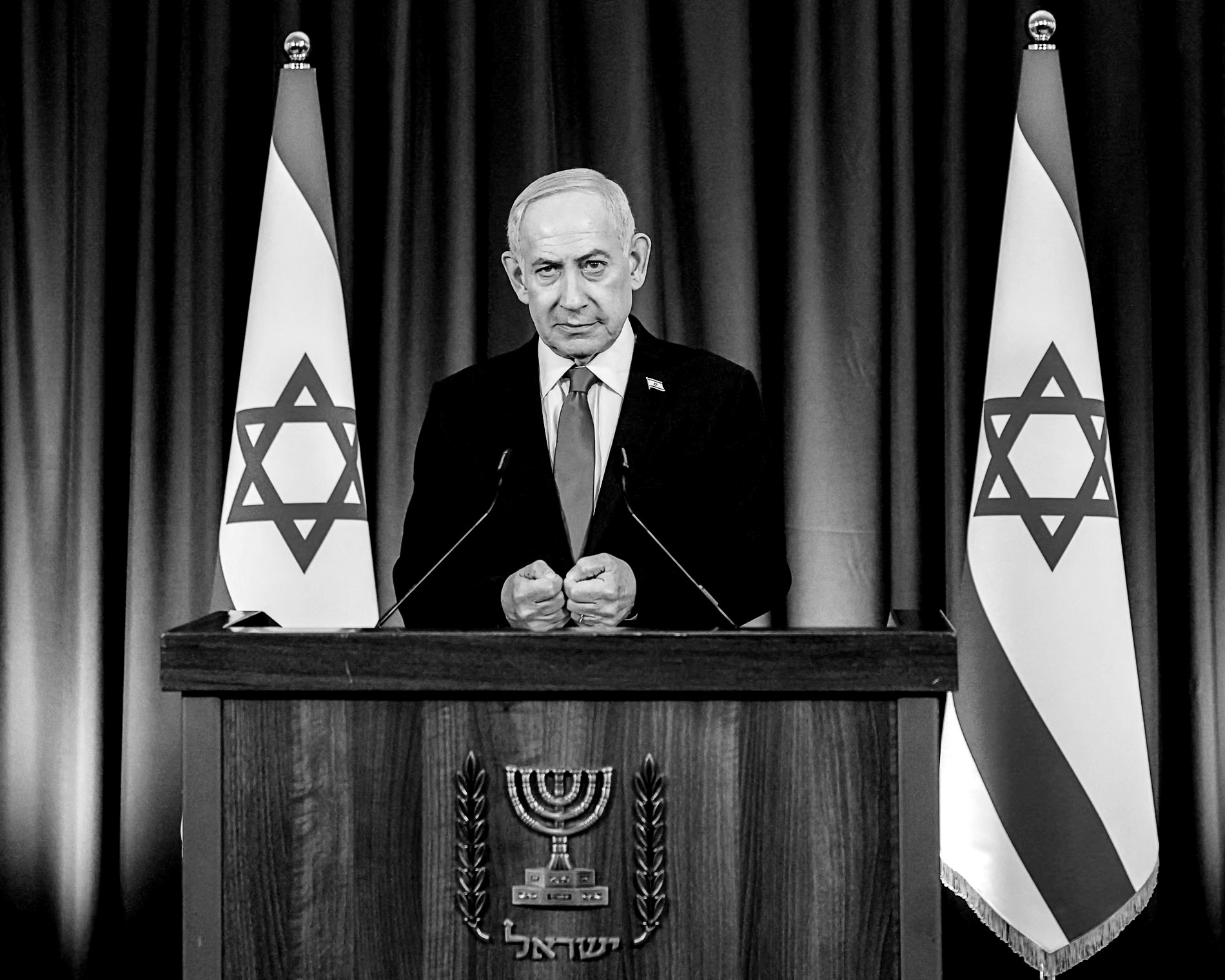
Israel launched a fresh wave of airstrikes on Tehran on Friday, marking a sharp escalation in the ongoing war with Iran, as Prime Minister Benjamin Netanyahu indicated that aerial operations alone may not be sufficient and suggested a potential “ground component” to the conflict.
Strikes hit Tehran during Nowruz celebrations
Israeli forces targeted sites across the Iranian capital during the Persian New Year, Nowruz, with multiple explosions reported throughout Tehran. The strikes form part of a broader campaign against Iranian military and strategic infrastructure, including earlier attacks on energy facilities and missile capabilities.
According to Israeli military statements, the latest operations are aimed at weakening what it describes as Iran’s “terror infrastructure” at the core of the regime. The strikes follow weeks of intensifying attacks that began in late February, when coordinated operations significantly expanded the scope of the conflict.

Netanyahu signals limits of air power
In a notable shift in rhetoric, Prime Minister Benjamin Netanyahu stated that airstrikes alone would not be sufficient to achieve long-term strategic objectives, including the potential collapse of Iran’s leadership. He suggested that a broader military approach, including a possible ground component, may ultimately be required.
While no operational details were disclosed, the statement introduces a significant escalation scenario, raising the prospect of deeper and more prolonged engagement. Netanyahu has maintained that Israel’s actions are necessary to neutralise Iran’s nuclear and missile capabilities, though such claims remain contested internationally.
Regional conflict widens and energy markets react
The escalation has had immediate geopolitical and economic consequences. Iran has responded with missile and drone strikes targeting Israeli and Gulf infrastructure, including energy facilities critical to global supply chains.
Oil and gas markets have reacted sharply, with prices surging amid fears of prolonged disruption, particularly around the strategically vital Strait of Hormuz. The conflict has already impacted production at major energy sites, compounding volatility across global markets.
At the same time, regional actors including Saudi Arabia, the United Arab Emirates and other Gulf states have reported intercepting incoming attacks, highlighting the growing risk of a wider regional war.
International divisions and strategic uncertainty
The escalation has exposed divisions among international stakeholders. While the United States has provided military support in the form of air operations and strategic coordination, there are indications of caution in Washington regarding further strikes on energy infrastructure and the potential deployment of ground forces.
European and Asian allies have largely called for de-escalation, reflecting concerns over both humanitarian consequences and the broader economic impact. Meanwhile, analysts note that prolonged instability could reshape global energy routes and geopolitical alliances.
A conflict entering a new phase
With Israeli strikes now reaching deeper into Tehran and rhetoric shifting towards potential ground operations, the conflict appears to be entering a more dangerous and uncertain phase. The combination of sustained military escalation, retaliatory attacks and economic disruption suggests that the war is moving beyond a limited campaign into a broader strategic confrontation.
Whether a ground component materialises remains unclear, but the signalling alone underscores the heightened stakes and the diminishing prospects for near-term de-escalation.
Newshub Editorial in Asia – March 20, 2026

If you have an account with ChatGPT you get deeper explanations,
background and context related to what you are reading.
Open an account:
Open an account
Recent Comments