

Global oil prices climbed sharply on Monday after US President Donald Trump claimed American forces had “totally demolished” Iran’s Kharg Island export hub, intensifying fears of a major disruption to global energy supplies as the Middle East conflict escalates.
Markets react to escalating energy risks
Energy markets reacted quickly to the latest developments in the conflict between the United States, Israel and Iran. Brent crude rose above $104 per barrel in early trading, while US benchmark West Texas Intermediate approached the $100 mark as traders priced in the risk of reduced supply from the Persian Gulf.
The surge came after Trump said US forces had heavily damaged Kharg Island, a key Iranian oil export hub located in the Persian Gulf. The island is responsible for handling roughly 90 percent of Iran’s crude oil exports, making it one of the most strategically important energy facilities in the region.

Trump said American forces had “totally demolished” much of the facility and suggested further strikes could occur if Iran continued actions threatening shipping in the region.
A critical hub for global oil flows
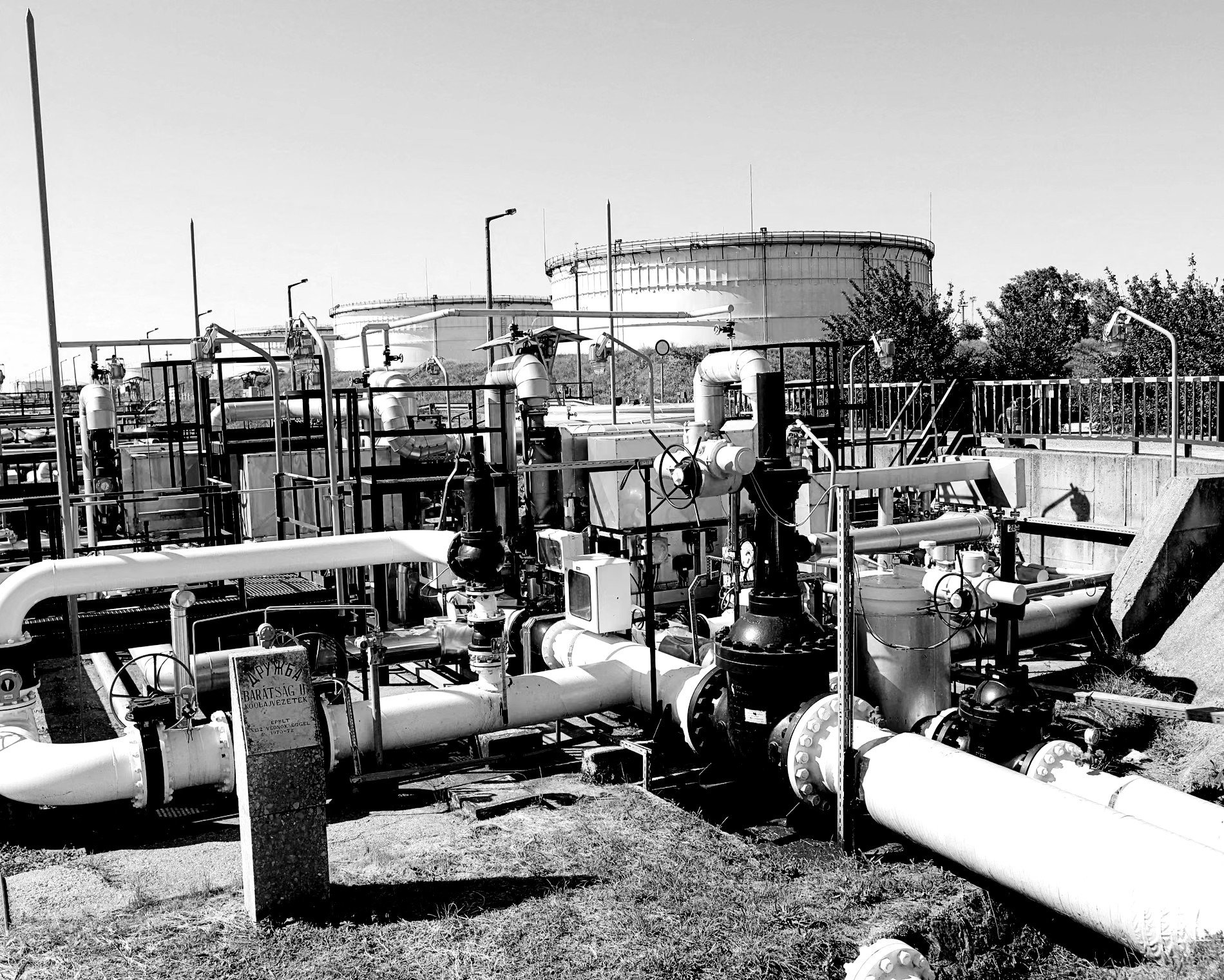
Kharg Island lies about 20 miles off Iran’s coast and serves as the primary terminal for the country’s oil exports. Massive storage tanks, pipelines and tanker loading facilities allow the island to ship millions of barrels of crude oil per day to international markets.
Because of its central role in Iran’s oil infrastructure, any damage to the site immediately raises concerns about supply shortages and price spikes. Analysts warn that the removal of Iranian exports from the market could tighten global supply significantly, particularly at a time when geopolitical tensions are already disrupting shipping routes.
Compounding the situation is the crisis in the Strait of Hormuz, the narrow maritime corridor through which roughly 20 percent of the world’s oil supply normally travels. The conflict has sharply reduced tanker traffic through the strait, amplifying volatility in energy markets.
Conflicting accounts of the strike
While Trump has described the operation as devastating, reports indicate that US strikes were primarily directed at military infrastructure on the island rather than directly targeting oil terminals.
Nevertheless, markets reacted strongly to the possibility that further attacks could damage export facilities or disrupt shipping lanes in the Gulf.
Iran has warned that if its energy infrastructure is targeted directly, it could retaliate against oil and gas facilities belonging to countries cooperating with the United States.
Broader economic implications
The spike in oil prices is already rippling through global markets. Higher energy costs risk fuelling inflation and slowing economic growth, particularly for major oil-importing regions such as Asia and Europe.
Economists warn that a prolonged disruption to Gulf energy exports could lead to further volatility in financial markets and potentially trigger broader economic shocks.
For now, investors remain focused on developments in the Middle East, where the conflict continues to escalate and key energy infrastructure has become a central battleground.
Newshub Editorial in Global Markets — March 16, 2026

If you have an account with ChatGPT you get deeper explanations,
background and context related to what you are reading.
Open an account:
Open an account
Recent Comments