
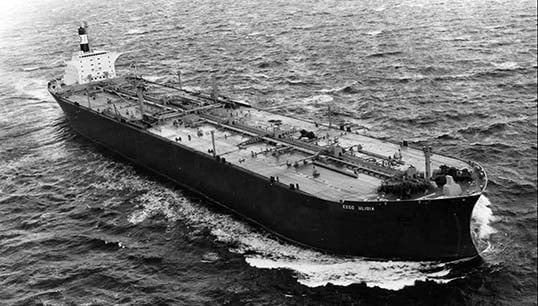
Iran’s government has declared that its blockade affecting oil shipments in the Persian Gulf will remain in place until military attacks against the country come to an end, escalating concerns across global energy markets and raising the risk of further disruption to international oil supplies.
Tehran signals hard line on energy leverage
Iranian officials stated that restrictions on oil flows connected to the conflict would remain until what they described as “aggression” against the country ceases. The announcement signals that Tehran is prepared to use its strategic position in global energy routes as a form of pressure during the ongoing confrontation involving the United States and Israel.
The warning comes as tensions remain high following weeks of military exchanges. Iranian authorities argue that the blockade is a defensive measure aimed at protecting national security interests while forcing international actors to reconsider the military campaign.


Energy markets reacted nervously to the announcement, as traders remain highly sensitive to any developments that could threaten supply routes in the region. The Persian Gulf and the Strait of Hormuz represent one of the most critical corridors for global oil transport.
Global supply routes under pressure
Roughly a fifth of the world’s oil supply moves through the Strait of Hormuz, making it one of the most strategically important chokepoints in global energy logistics. Any disruption to shipping in this narrow passage can have immediate and dramatic effects on global energy prices.
Iran has long maintained that it has the capacity to restrict traffic through the strait if its security is threatened. While Tehran has not announced a complete closure, the latest statement suggests that pressure on shipping could continue as long as the conflict persists.
Shipping companies and insurers are already assessing the risks of operating in the region. Increased insurance costs, rerouted tankers and delays in shipments are among the potential consequences if tensions remain elevated.
Energy analysts note that even partial disruptions can create significant volatility in oil markets, particularly at a time when global inventories remain relatively tight and geopolitical risks are already elevated.
Markets weigh risks to energy stability
Oil prices surged sharply earlier in the week amid fears that the conflict could escalate into a broader regional crisis. Although prices later retreated after political signals suggesting a possible de-escalation, Iran’s latest stance has reintroduced uncertainty into the outlook for global supply.
Financial markets across Asia and Europe have already experienced volatility linked to the energy shock. Higher oil prices can influence inflation, interest rate expectations and economic growth forecasts across major economies.
For energy-importing regions such as Europe and much of Asia, prolonged disruption in the Gulf would present significant economic challenges. Governments are therefore closely monitoring developments and assessing contingency plans.
Geopolitics reshaping the energy landscape
The confrontation highlights the continued vulnerability of global energy markets to geopolitical events. Despite increasing diversification in energy sources and growth in renewable power, oil from the Middle East remains central to global supply chains.
Iran’s message suggests that energy flows will remain tied to the broader political and military dynamics unfolding in the region. As long as the conflict continues, the possibility of further disruption in the oil market will remain a key factor shaping global financial sentiment.
Investors, governments and energy companies alike are now watching closely for signs of diplomatic progress that could stabilise the situation and restore confidence in the security of international oil transport routes.
Newshub Editorial in Asia – March 10, 2026

If you have an account with ChatGPT you get deeper explanations,
background and context related to what you are reading.
Open an account:
Open an account
Recent Comments