
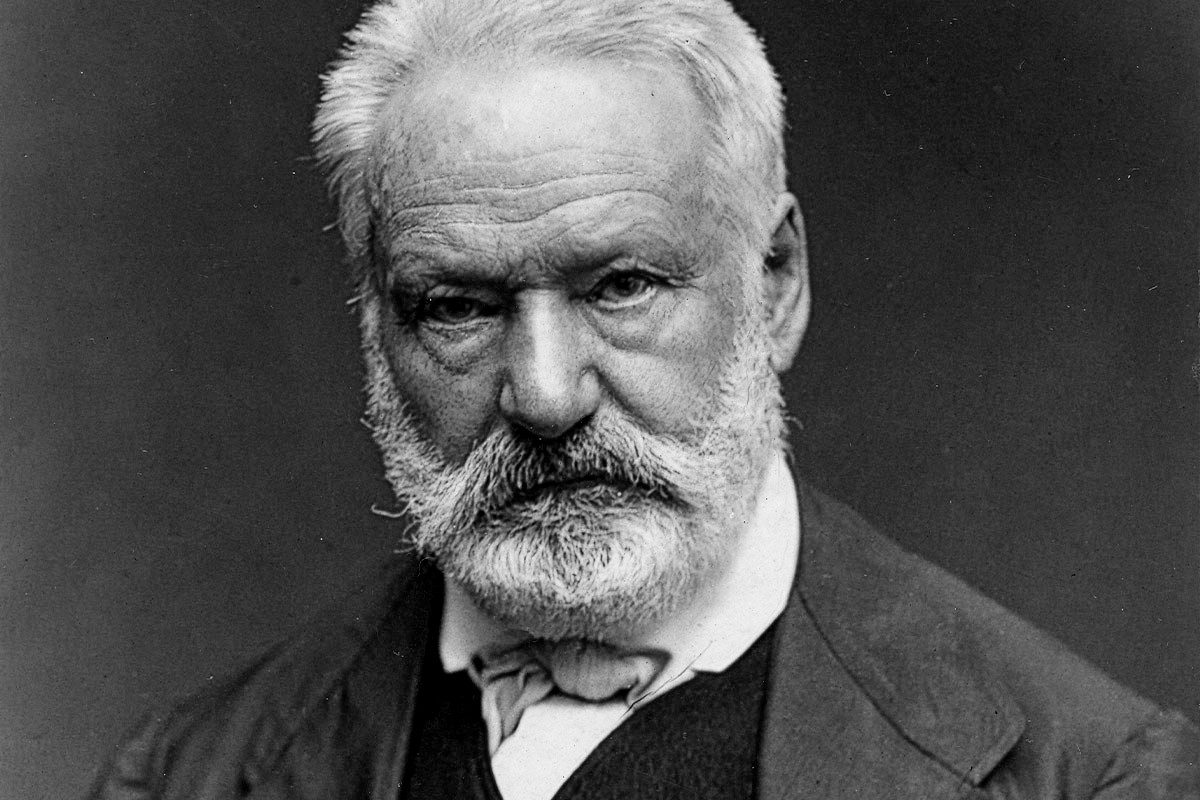
Few authors have shaped the moral imagination of modern Europe as profoundly as Victor Hugo, whose novels and political activism made him both a literary titan and a symbol of resistance in 19th-century France.
From romantic prodigy to national voice
Born in 1802 in Besançon, Victor Hugo rose to prominence during the Romantic movement, challenging the rigid classical traditions that dominated French letters. His early poetry collections established him as a prodigy, but it was his dramatic works and sprawling novels that cemented his reputation. Hugo believed literature should confront injustice and give voice to the marginalised, a conviction that would define his career.
His breakthrough novel, The Hunchback of Notre-Dame, published in 1831, was both a Gothic romance and a passionate plea for the preservation of medieval architecture. The book revived public interest in Paris’s great cathedral and influenced restoration efforts that saved it from further decay. Hugo demonstrated that fiction could reshape public policy and cultural priorities.


Les misérables and social justice
If one work encapsulates Hugo’s enduring legacy, it is Les Misérables. Published in 1862 after years of exile, the novel explores poverty, law, redemption and revolution in post-Napoleonic France. Through characters such as Jean Valjean and Inspector Javert, Hugo dissected the moral tension between justice and mercy. The novel’s scale and emotional force made it an instant global success and a lasting reference point in debates about inequality and punishment.
Hugo’s storytelling fused meticulous social observation with sweeping melodrama. He wove historical events, including the 1832 Paris uprising, into intimate personal narratives. In doing so, he elevated the novel into a vehicle for philosophical and political reflection.
Exile, resistance and political conviction
Hugo’s literary achievements were matched by his political engagement. Initially a royalist, he evolved into a committed republican and outspoken critic of authoritarianism. After Louis-Napoléon Bonaparte’s coup in 1851, Hugo denounced the regime and went into voluntary exile in Guernsey and Jersey for nearly two decades.
During exile, he continued to write prolifically, producing poetry, essays and polemics that attacked tyranny and championed human rights. His return to France in 1870, after the fall of the Second Empire, was greeted as a national event. Crowds lined the streets to celebrate the writer who had become a moral voice for the republic.
A legacy beyond literature
When Hugo died in 1885, more than two million people reportedly followed his funeral procession in Paris. He was laid to rest in the Panthéon, a resting place reserved for France’s most revered figures. His influence extends far beyond literature; adaptations of his works continue to shape theatre, cinema and music worldwide.
Hugo’s vision was expansive: he saw art not merely as entertainment but as a force capable of transforming society. In an era marked by upheaval and inequality, his insistence on dignity, compassion and resistance remains strikingly contemporary. More than a novelist or poet, Victor Hugo stands as a testament to the enduring power of words in public life.
Newshub Editorial in Europe – 26 February 2026

If you have an account with ChatGPT you get deeper explanations,
background and context related to what you are reading.
Open an account:
Open an account
Recent Comments