

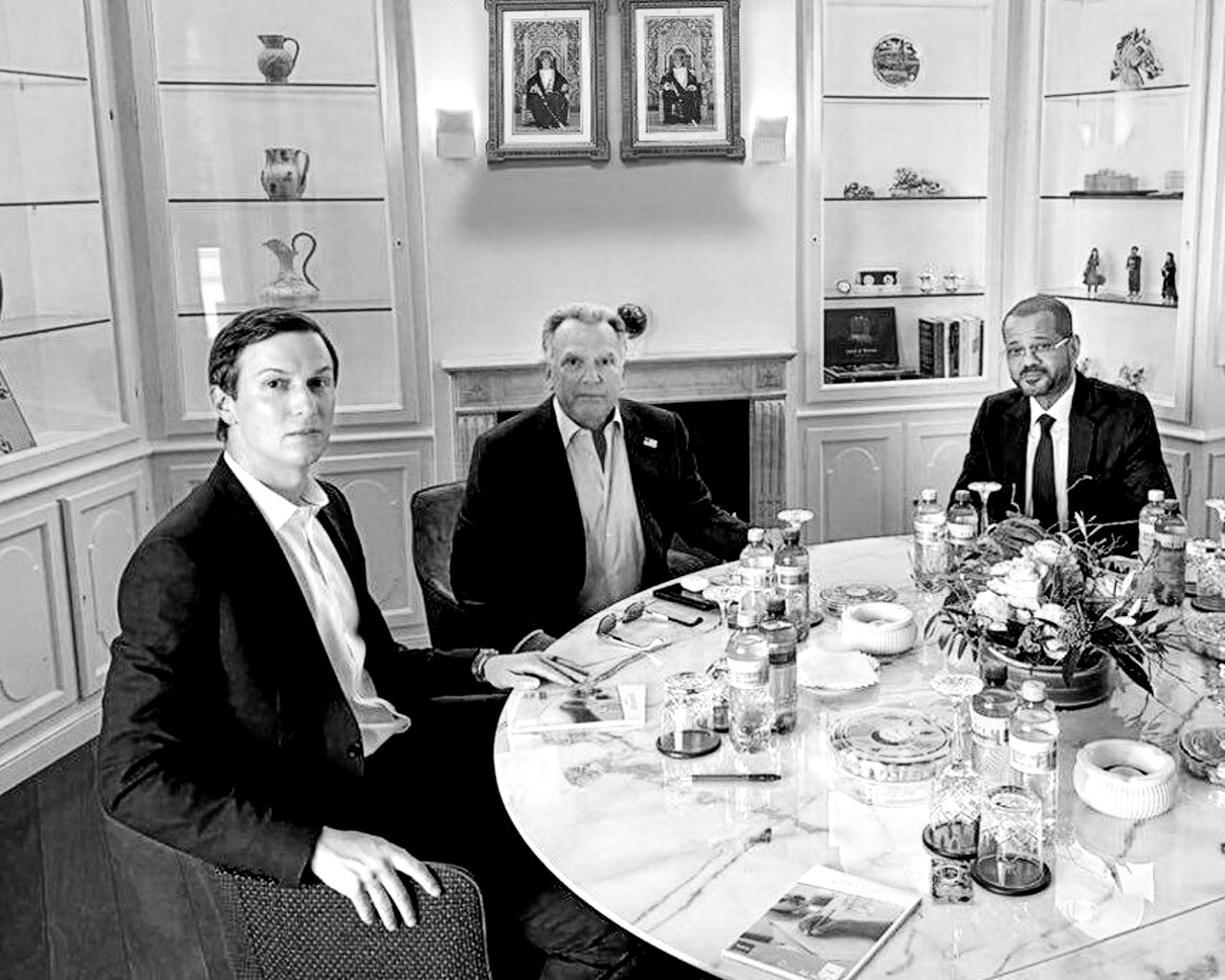
Geneva — Iran and the United States have reopened indirect nuclear negotiations amid cautious optimism that a diplomatic deal could be possible, even as tensions simmer across the Middle East.
The third round of Oman-mediated talks resumed in Geneva on Thursday, with Iranian officials saying an agreement with Washington is “within reach” if diplomacy is prioritised and core issues are addressed. The discussions come after renewed efforts to curb Iran’s nuclear programme, which has been at the centre of US-Iran tensions since 2025.
Cautious optimism amid deep distrust
Iran’s foreign ministry and state-linked media have conveyed a positive tone, with officials suggesting that if the focus remains strictly on nuclear non-weaponisation and verification, then a deal might be feasible. US negotiators, including special envoy Steve Witkoff and adviser Jared Kushner, are participating in the talks alongside Iranian counterparts, under the mediation of Oman’s foreign ministry.

Despite hopes for progress, broad mistrust persists. Tehran insists its nuclear programme is peaceful and rooted in civilian energy objectives, referencing religious and political directives that reject nuclear weapons. Washington, meanwhile, is seeking limits on uranium enrichment and stronger verification mechanisms—positions that have historically been difficult to reconcile.
Backdrop of pressure and military build-up
The Geneva discussions are being held against a backdrop of heightened US military presence in the Middle East and continued sanctions pressure on Iran. Washington has deployed additional aircraft and naval assets to the region, underscoring the stakes involved if diplomacy falters. Iran has responded with warnings of potential retaliation should conflict break out.
Mediator statements suggest that “creative and positive ideas” have been exchanged, with both sides taking short breaks during the marathon negotiating sessions. The International Atomic Energy Agency (IAEA) is also involved in the technical aspects of verification discussions, offering a measure of independent oversight.
Key sticking points and next steps
Core issues remain unresolved, including the extent of Iran’s enrichment activities, the pace and scope of sanctions relief, and whether discussions should broaden to include Iran’s missile programme and regional security behaviour. Both sides are expected to continue dialogue throughout the week, with mediators urging persistence even as deadlines and external pressures mount.
Observers note that while language about a deal being “within reach” marks a relative shift from previous rounds, actual convergence on terms has yet to be demonstrated. Officials on both sides stress that diplomacy must be given priority to avoid escalation into open conflict.
Newshub Editorial in Asia — 26 February 2026

If you have an account with ChatGPT you get deeper explanations,
background and context related to what you are reading.
Open an account:
Open an account
Recent Comments