

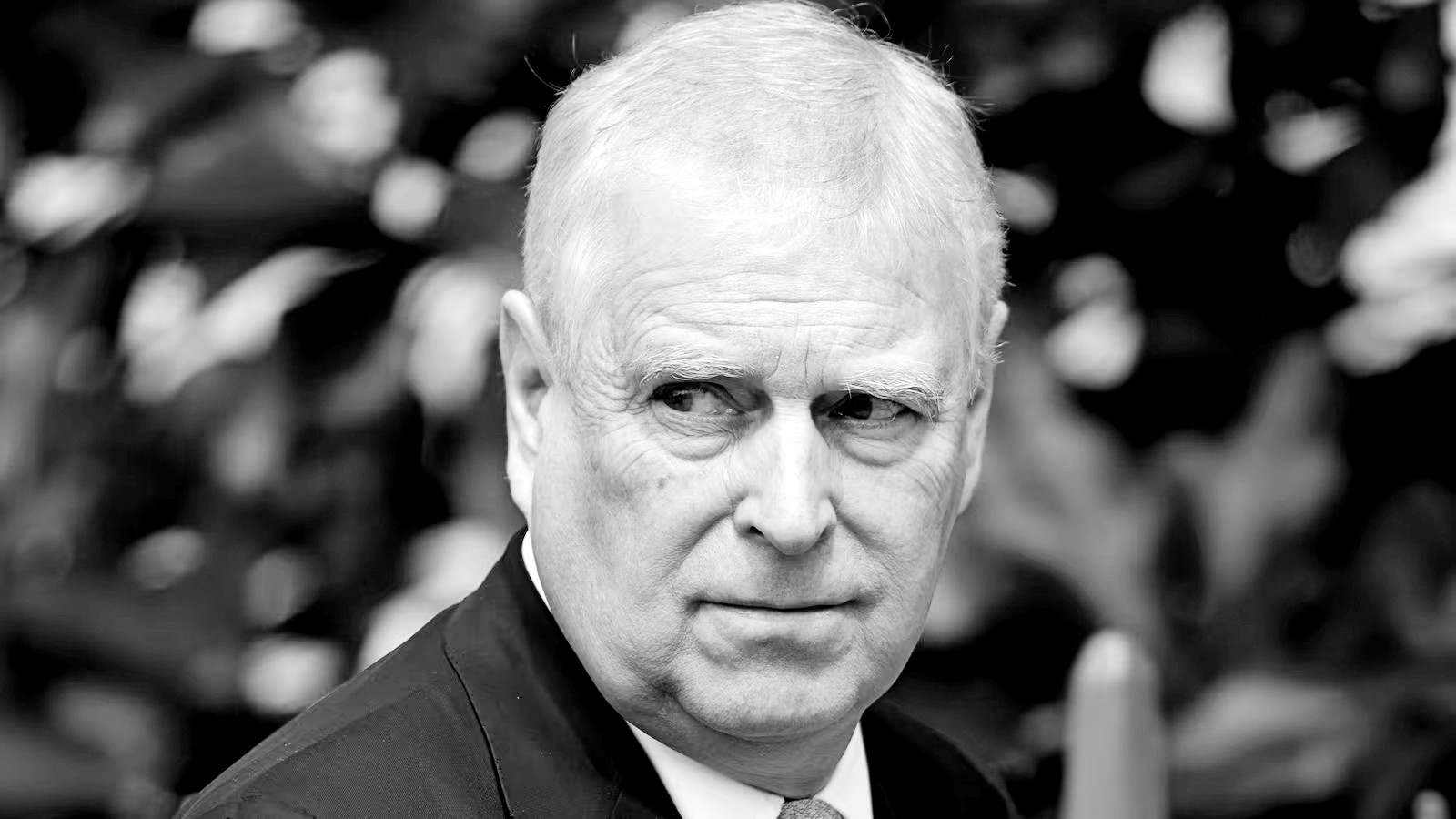
The UK government has agreed to release confidential documents relating to Andrew Mountbatten-Windsor’s appointment as a trade envoy after lawmakers approved a motion demanding their publication, days after his arrest over allegations that he shared government reports with Jeffrey Epstein.
The decision follows mounting political pressure in Westminster, where MPs argued that transparency is essential to maintain public trust in government institutions and the integrity of Britain’s international trade operations.
Andrew Mountbatten-Windsor, formerly known as Prince Andrew, was arrested on charges connected to claims that, during his tenure as a UK trade envoy, he shared sensitive government materials with the late financier Jeffrey Epstein. He denies wrongdoing.

Parliament demands transparency
The motion, passed in the UK Parliament on Tuesday, compels the government to publish previously confidential correspondence and briefing documents linked to his appointment and activities in the envoy role.
MPs across party lines supported the call, citing the seriousness of the allegations and the need to clarify what oversight mechanisms were in place at the time. Several lawmakers emphasised that the issue transcends partisan politics and concerns the safeguarding of official information.
Government officials confirmed that the documents would be reviewed to ensure compliance with national security and data protection laws before release. However, ministers acknowledged that the public interest in the case is “exceptionally high”.
Questions over the trade envoy appointment
Mountbatten-Windsor served as a special representative for UK trade and investment, a role that involved promoting British commercial interests abroad and engaging with foreign governments and business leaders.
Critics have long scrutinised his association with Epstein, whose criminal conviction and subsequent death in custody triggered global controversy. The new allegations — that confidential reports may have been shared during official engagements — have intensified scrutiny of both the former envoy and the government structures that enabled his appointment.
Legal experts note that the publication of internal communications could shed light on what vetting procedures were followed and whether concerns were raised at the time about potential conflicts of interest.
Political and institutional fallout
The development adds to ongoing pressure on the government to demonstrate accountability in high-profile public appointments. Opposition figures argue that the episode risks damaging the UK’s diplomatic credibility if questions remain unanswered.
Buckingham Palace has not commented in detail on the latest parliamentary vote, reiterating only that the matter is subject to legal proceedings.
As the documents are prepared for release, attention will focus on whether they reveal systemic lapses in governance or confirm that established safeguards were observed. Either outcome is likely to influence both the legal process and the broader political debate.
For now, Parliament’s decision signals a clear shift toward disclosure, reflecting lawmakers’ determination to address allegations that sit at the intersection of royal privilege, state responsibility and international trust.
Newshub Editorial in Europe – 25 February 2026

If you have an account with ChatGPT you get deeper explanations,
background and context related to what you are reading.
Open an account:
Open an account
Recent Comments