

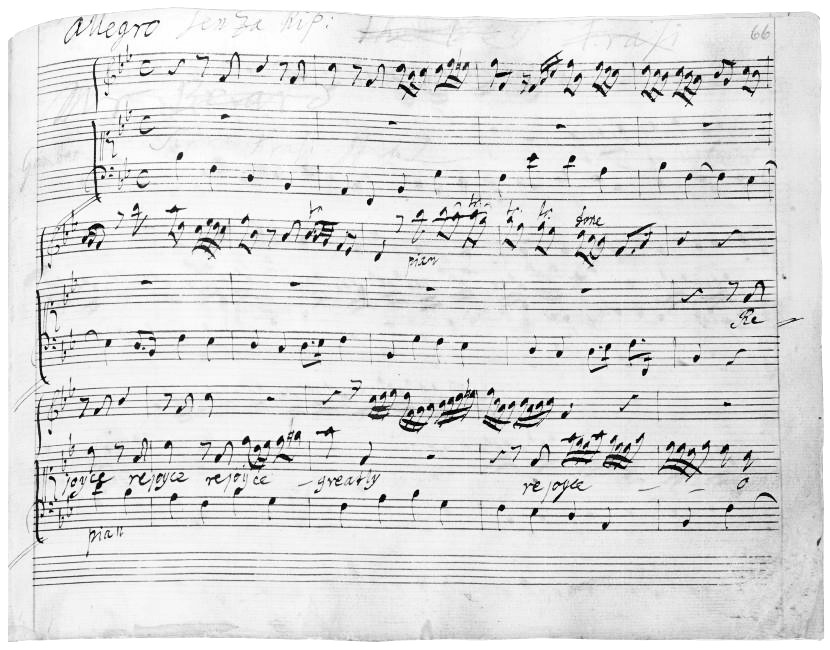
George Frideric Handel, one of the defining composers of the late Baroque era, was born on 23 February 1685 in Halle, in what was then the Duchy of Magdeburg, shaping a musical legacy that would resonate across Europe and endure for centuries.
From Halle to Europe’s courts
Born the same year as Johann Sebastian Bach and Domenico Scarlatti, Handel emerged from a remarkably fertile musical generation. His father, a barber-surgeon, initially opposed a musical career, but Handel’s precocious talent quickly became undeniable. After early studies in Halle, he moved to Hamburg, then one of Germany’s leading operatic centres, where he honed his craft as a composer and performer.
Italy proved decisive in shaping Handel’s style. Between 1706 and 1710, he absorbed the operatic traditions of Rome, Florence and Venice, mastering the Italian aria and the expressive potential of vocal writing. This cosmopolitan grounding would later distinguish his work in London, where he settled permanently in 1712.

London and the rise of English oratorio
In Britain, Handel became synonymous with Italian opera seria, composing for the Royal Academy of Music and producing works for the King’s Theatre. Yet changing tastes and financial pressures pushed him towards a new form: the English-language oratorio.
The most famous of these, Messiah, premiered in Dublin in 1742. Its “Hallelujah” chorus remains one of the most recognisable passages in Western classical music. Unlike opera, oratorio required no staging, making it economically viable and accessible to broader audiences. Through works such as Israel in Egypt and Samson, Handel effectively created a distinctively British choral tradition.
His ceremonial music also left an enduring imprint. Water Music, composed for a royal river procession on the Thames, and Music for the Royal Fireworks demonstrated his flair for public spectacle and large-scale orchestration.
A European legacy
Handel became a naturalised British subject in 1727, reflecting both his personal commitment to his adopted country and his central role in its musical life. His works were performed at court, in public theatres and in charitable institutions, bridging elite and popular audiences.
He died in London in 1759 and was buried in Westminster Abbey, an honour reserved for the nation’s most distinguished figures. His funeral drew thousands, testament to his stature in British society.
Today, Handel is regarded as a master of dramatic contrast, melodic invention and choral grandeur. His synthesis of German counterpoint, Italian lyricism and English ceremonial style exemplifies the international character of the late Baroque. Annual performances of Messiah across Europe, North America and beyond ensure that his music remains not merely historical, but living.
More than three centuries after his birth, Handel’s compositions continue to define festive seasons, concert halls and sacred spaces alike — a rare achievement for any composer, and a measure of his enduring genius.
Newshub Editorial in Europe – 23 February 2026

If you have an account with ChatGPT you get deeper explanations,
background and context related to what you are reading.
Open an account:
Open an account
Recent Comments