

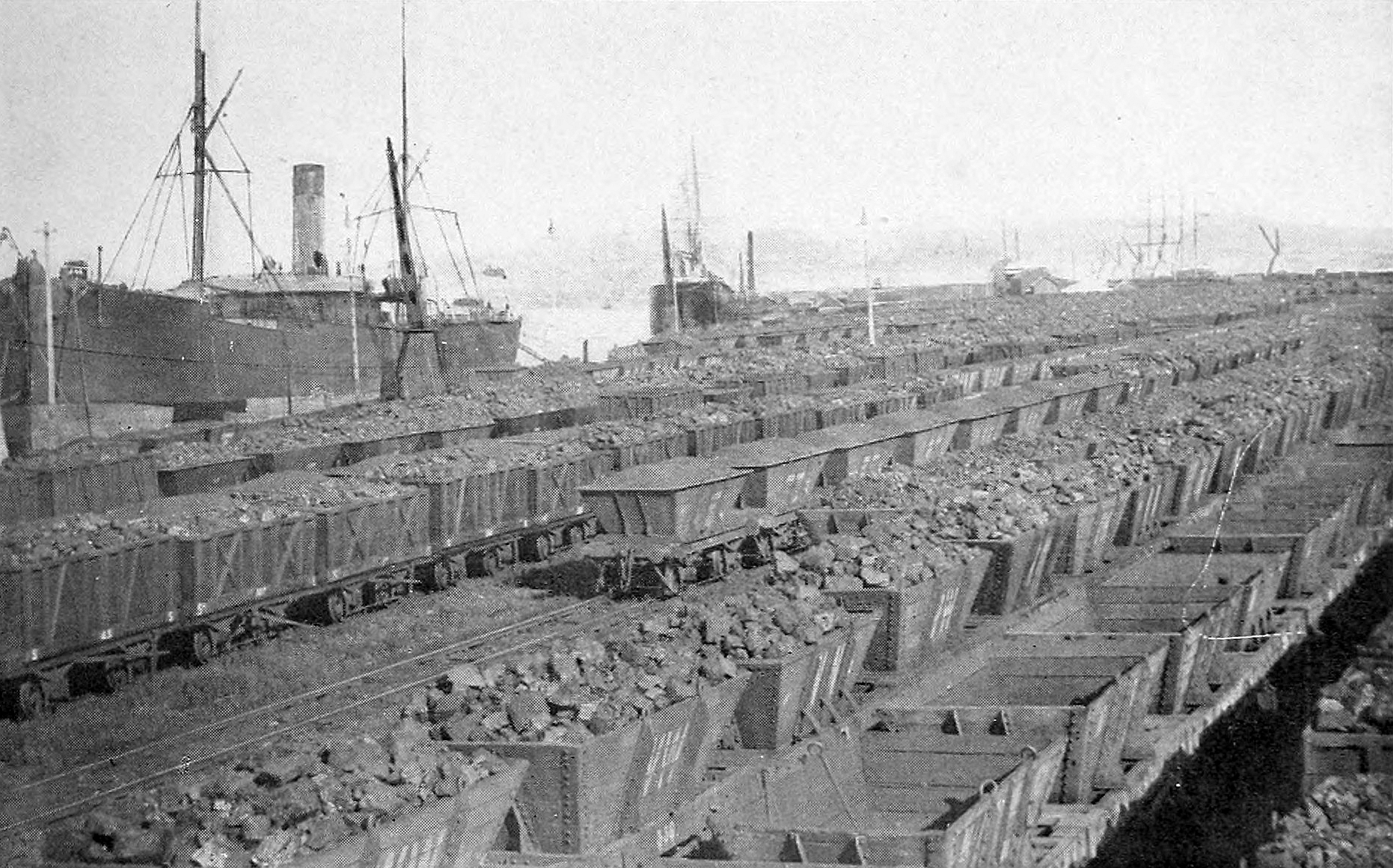
Australia’s federal government has approved a major coal mine expansion in Queensland, triggering sharp criticism from scientists and conservation groups who say the project will destroy vital habitat and dramatically worsen the climate crisis, with exported coal expected to generate carbon emissions equivalent to roughly half of Australia’s annual footprint.
Approval reignites climate and conservation debate
The decision, signed off under the administration of Anthony Albanese, allows large-scale land clearing and increased production at an existing Queensland coal operation. Environmental groups argue the move directly contradicts Australia’s climate commitments and threatens already fragile ecosystems in one of the country’s most biodiversity-rich regions.
Scientists estimate that when the additional coal is burned overseas, it could release hundreds of millions of tonnes of CO₂ over the life of the project — a volume comparable to around half of Australia’s current yearly emissions. While these “scope three” emissions fall outside domestic accounting frameworks, climate experts stress they represent real atmospheric impact regardless of where combustion occurs.

Habitat loss and species pressure
Conservation organisations warn that thousands of hectares of native bushland will be cleared, placing further strain on threatened wildlife populations. The affected area forms part of a broader ecological corridor in Queensland, supporting species already under pressure from drought, fires, and rising temperatures.
Ecologists say incremental approvals like this accumulate into systemic environmental damage, fragmenting habitats and reducing resilience against climate extremes. For critics, the expansion symbolises a policy gap between Australia’s international climate rhetoric and its domestic resource approvals.
Government rationale centres on jobs and energy security
Officials defending the decision point to regional employment, export revenues, and energy reliability. The government argues that stringent environmental conditions accompany the approval and that Australia must balance emissions reduction with economic stability during the global energy transition.
Supporters within the resources sector also highlight strong Asian demand for thermal coal and warn that restricting supply could simply shift production to jurisdictions with weaker environmental standards — potentially worsening global outcomes.
Markets, policy risk, and investor implications
For investors, the episode underscores the growing tension between legacy energy assets and climate-aligned portfolios. While coal prices remain supported by structural demand in parts of Asia, regulatory and reputational risks are intensifying. Large institutional funds increasingly screen projects for biodiversity impact and downstream emissions exposure, raising questions about the long-term cost of capital for expanded coal developments.
Analysts also note that approvals of this scale could complicate Australia’s climate diplomacy and invite further scrutiny from ESG-focused shareholders. Carbon-intensive infrastructure now carries heightened policy volatility, particularly as climate litigation and disclosure requirements accelerate globally.
A defining test for Australia’s transition
Environmental groups have vowed to challenge the approval through legal and public campaigns, framing the mine expansion as incompatible with limiting global warming. Scientists argue that new fossil fuel developments undermine efforts to stabilise temperatures, regardless of mitigation measures attached to individual projects.
The broader issue is strategic: whether Australia can credibly position itself as a clean-energy leader while simultaneously expanding coal exports. For many observers, the Queensland decision represents a pivotal moment — revealing how difficult it remains to reconcile economic reliance on fossil fuels with the urgent realities of climate science.
Newshub Editorial in Australia – 16 February 2026

If you have an account with ChatGPT you get deeper explanations,
background and context related to what you are reading.
Open an account:
Open an account
Recent Comments