
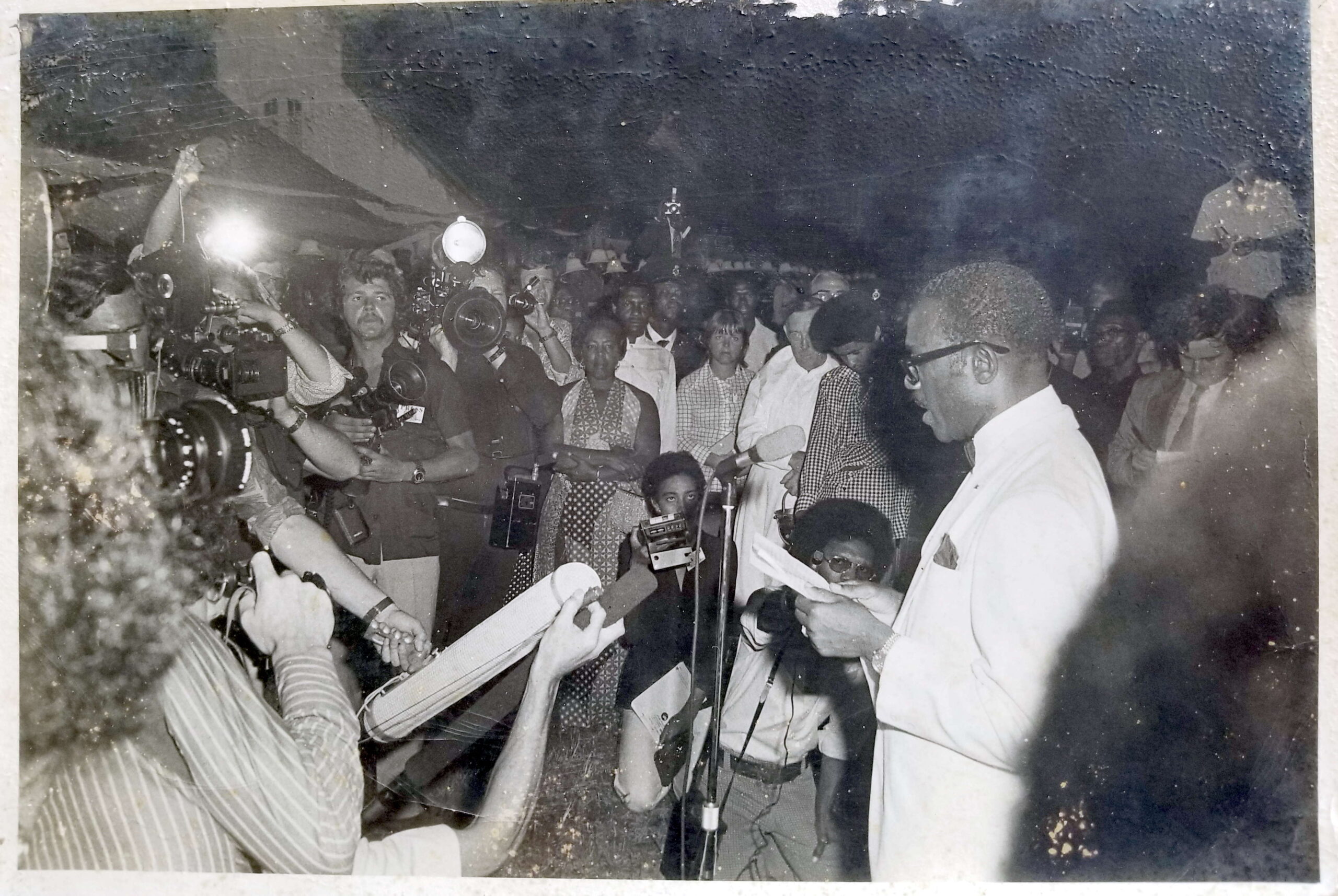
Grenada marked a defining chapter in its modern history when it formally gained independence from United Kingdom, becoming a sovereign nation within the Commonwealth. The transition ended nearly two centuries of British colonial rule and set the small Caribbean state on a path of political self-determination, national identity, and economic rebuilding.
From colony to country
The independence of Grenada on 7 February 1974 followed years of constitutional negotiations and domestic pressure for greater autonomy. Like many former colonies across the Caribbean, Grenada moved gradually through internal self-government before taking the final step to full sovereignty. Independence ceremonies in the capital, St George’s, symbolised more than a change of flag: they represented the assertion of local governance over lawmaking, diplomacy, and economic policy.
The island entered nationhood with high expectations. Agriculture—particularly nutmeg, cocoa, and bananas—formed the backbone of the economy, while tourism was emerging as a key growth sector. Independence created both opportunity and responsibility, requiring new institutions, fiscal discipline, and international partnerships.

Leadership and early direction
Grenada’s first prime minister, Eric Gairy, framed independence as a chance to pursue social development and improve living standards. His government inherited a fragile economy and limited infrastructure, challenges common among newly independent states.
The early years highlighted the difficulty of balancing political stability with economic reform. While sovereignty brought control over domestic policy, it also exposed Grenada to external shocks, trade dependencies, and the realities of small-state finance.
Regional context and global recognition
Grenada’s independence came amid a wider wave of Caribbean decolonisation, as island nations sought a stronger voice on the international stage. Admission to the Commonwealth and the United Nations provided diplomatic legitimacy and access to development frameworks, while regional cooperation through Caribbean institutions aimed to improve trade resilience and shared infrastructure.
For investors and policymakers alike, independence marked the start of Grenada’s integration into global markets as a standalone jurisdiction—responsible for its own regulation, monetary arrangements, and investment climate.
Long-term implications for governance and markets
Over subsequent decades, Grenada’s political and economic trajectory has reflected both progress and volatility. The island has navigated periods of reform, social unrest, and external intervention, while continuing to build its tourism sector and modernise public finances.
Today, Grenada positions itself as a stable Caribbean economy with growing interest in sustainable tourism, education services, and renewable energy. Citizenship-by-investment programmes and infrastructure development have also become part of its capital-raising strategy, underscoring how sovereignty reshaped its financial toolkit.
For investors, Grenada’s independence underscores a broader lesson: political autonomy creates opportunity, but long-term value depends on governance quality, regulatory clarity, and institutional strength. Small economies remain sensitive to climate risk, global demand, and capital flows—factors that make transparency and stability critical.
A milestone that still resonates
More than five decades on, Grenada’s independence stands as a reminder of how national self-determination reshapes economic destiny. What began as a ceremonial moment in 1974 continues to influence policy choices, investor confidence, and the island’s role in the Caribbean region.
Newshub Editorial in North America – February 7, 2026

If you have an account with ChatGPT you get deeper explanations,
background and context related to what you are reading.
Open an account:
Open an account
Recent Comments