
Ukraine is facing what could be its harshest winter in more than a decade, according to the head of NATO, after intensified Russian strikes severely damaged power infrastructure in the eastern city of Kharkiv, leaving large parts of the population without electricity and heating.
Warning from Nato leadership
Speaking after an emergency briefing on the security situation, NATO Secretary General Jens Stoltenberg said recent attacks on Ukraine’s energy network represent a deliberate strategy to increase civilian suffering during the winter months. He warned that temperatures, combined with power shortages, could place unprecedented strain on households, hospitals and local authorities already stretched by nearly three years of war.
Kharkiv hit by sustained infrastructure strikes
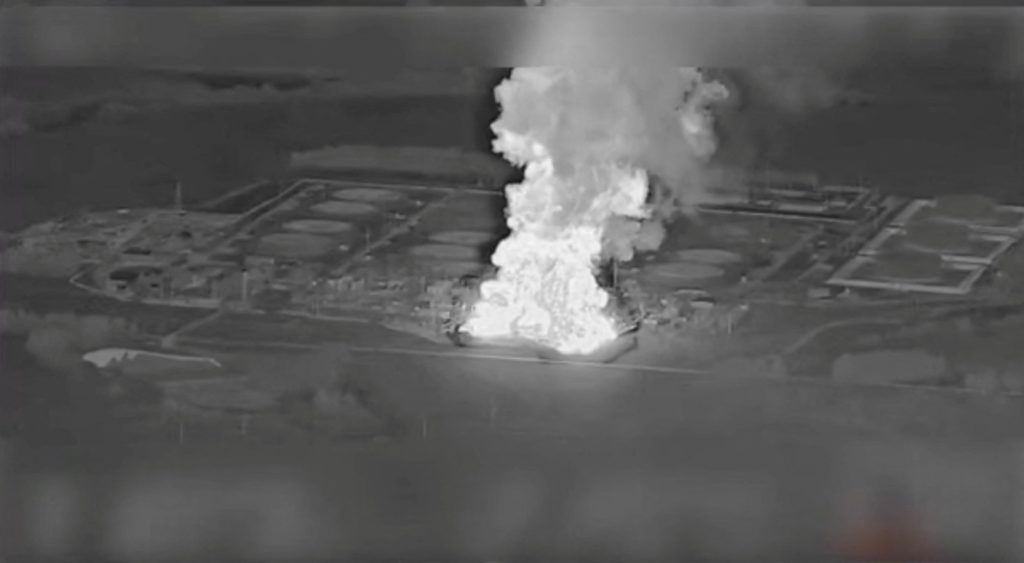
Kharkiv, Ukraine’s second-largest city and a frequent target due to its proximity to the Russian border, has been particularly affected. Missile and drone strikes have damaged substations and transmission facilities, forcing emergency shutdowns and rolling blackouts. Local officials report that millions of residents are now coping with intermittent electricity, limited heating and disrupted water supplies as temperatures continue to fall.


Civilian impact and humanitarian pressure
The loss of power has immediate consequences for daily life, from heating homes to maintaining healthcare services and food supply chains. Emergency shelters have been opened across Kharkiv to provide warmth and basic services, while humanitarian organisations warn that prolonged outages could trigger a new wave of internal displacement. The situation is especially acute for elderly residents and families with young children.
Russia’s winter strategy under scrutiny
Western officials argue that targeting energy infrastructure is designed to weaken morale rather than achieve direct military gains. By undermining civilian resilience during winter, Russia aims to increase pressure on Kyiv and its supporters. Ukrainian authorities have accused Moscow of using energy deprivation as a weapon, a charge the Kremlin denies, maintaining that its strikes target military-related facilities.
Nato support and allied coordination
NATO members have reiterated their commitment to supporting Ukraine through air defence systems, generators and energy equipment. Stoltenberg said allies are working to accelerate deliveries of both military and civilian assistance, emphasising that protecting critical infrastructure is now a strategic priority. Several countries have pledged additional winterisation aid, including mobile heating units and power restoration equipment.
Broader implications for the war
The latest attacks highlight the evolving nature of the conflict, where infrastructure and civilian endurance have become central battlegrounds. As front-line dynamics remain fluid, the struggle over energy security is shaping both military planning and diplomatic discussions. Analysts note that the winter period is likely to test Ukraine’s resilience as much as its battlefield capabilities.
Outlook
With cold weather intensifying and repairs ongoing under difficult conditions, Ukraine faces months of hardship. NATO officials stress that sustained support will be crucial to preventing a humanitarian crisis and maintaining stability. The coming winter, they warn, may prove one of the most challenging phases of the war to date, not only for Ukraine’s armed forces but for its civilian population.
Newshub Editorial in Europe – 27 January 2026

If you have an account with ChatGPT you get deeper explanations,
background and context related to what you are reading.
Open an account:
Open an account
Recent Comments