
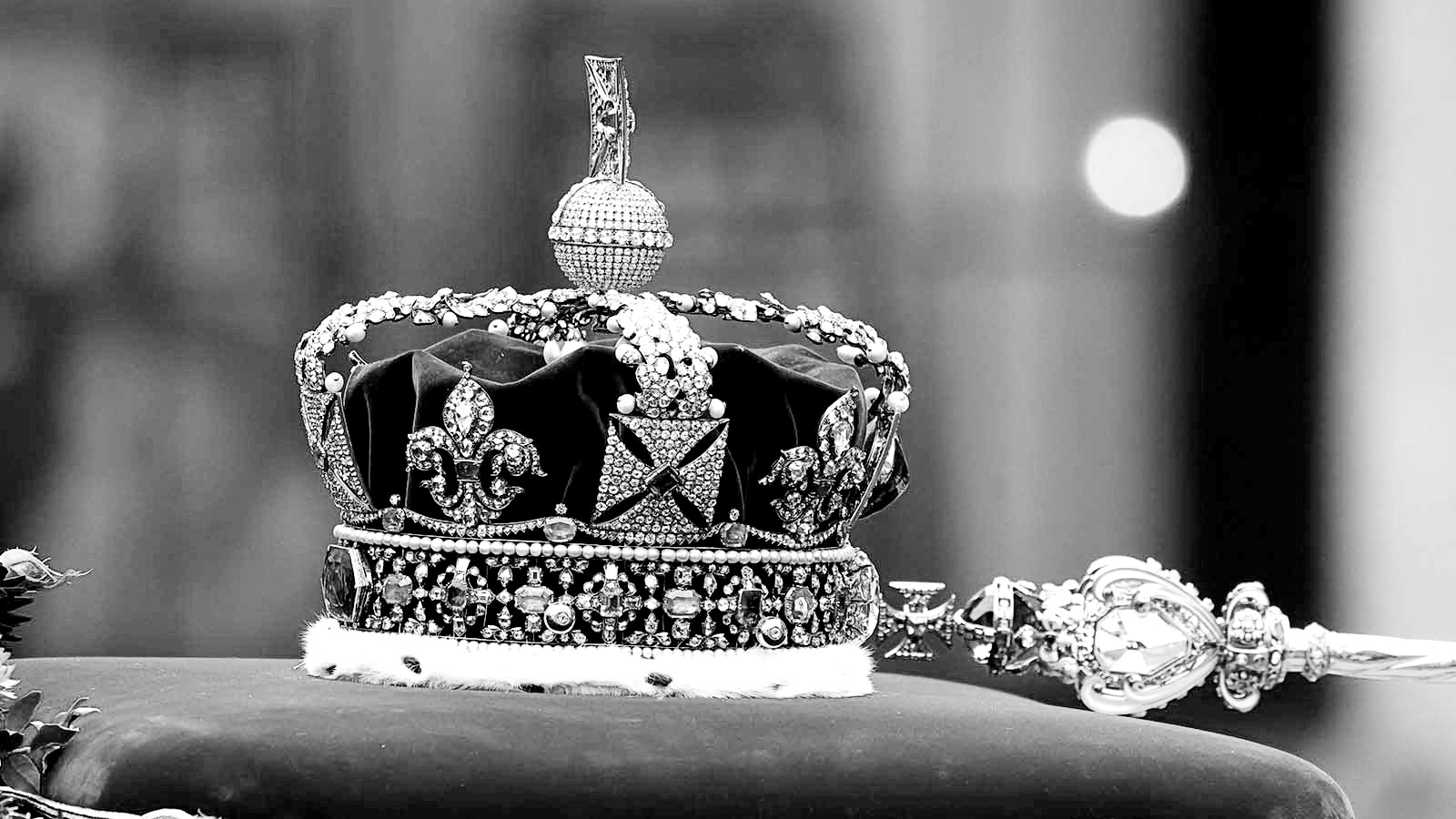
In January 1905, the world’s largest gem-quality diamond was discovered in South Africa, an event that reshaped the global diamond industry and secured the country’s place in mining history. The stone, later named the Cullinan Diamond, weighed an astonishing 3,106 carats in its rough form and remains unmatched in size more than a century later.
A find that stunned the mining world
The diamond was uncovered at the Premier Mine, near Pretoria, by mine manager Frederick Wells. While inspecting the pit wall, Wells noticed an unusual reflection. Embedded just beneath the surface was a massive, colourless crystal of exceptional clarity. Its size was unprecedented; to put it into context, it was more than three times larger than any gem-quality diamond previously found.
From mine to monarchy
The Premier Mine was owned by Sir Thomas Cullinan, a South African mining entrepreneur, and the diamond was named in his honour. Soon after its discovery, the stone was purchased by the government of the Transvaal Colony and presented as a gift to King Edward VII of the United Kingdom in 1907, a gesture intended to strengthen political ties within the British Empire.

Cutting the uncuttable
Transported to Amsterdam, the diamond was entrusted to the Asscher Brothers, one of the world’s most respected diamond-cutting firms. The task was fraught with risk; a single mistake could shatter the stone and destroy its value. After months of study, the Cullinan Diamond was cleaved into nine major stones and 96 smaller brilliants. The largest of these, Cullinan I, known as the Great Star of Africa, weighs 530.2 carats and remains the largest clear-cut diamond in the world.
Symbols of power and permanence
Cullinan I and Cullinan II were incorporated into the British Crown Jewels and are still displayed in the Tower of London. Their presence underscores how the discovery transcended commercial value, becoming a symbol of imperial power, craftsmanship, and geological rarity.
South Africa’s enduring legacy
The Cullinan discovery came at a pivotal moment for South Africa, reinforcing its status as a cornerstone of the global diamond trade. Alongside earlier finds in Kimberley, it accelerated industrial investment, infrastructure development, and international interest in the region’s mineral wealth.
A benchmark that still stands
More than 120 years on, no larger gem-quality diamond has been found. While several significant stones have been unearthed in Botswana and elsewhere, the Cullinan remains the benchmark against which all diamond discoveries are measured. It stands as a reminder that, on rare occasions, the earth produces treasures so extraordinary that they redefine an entire industry.
Newshub Editorial in Africa – 26 January 2026

If you have an account with ChatGPT you get deeper explanations,
background and context related to what you are reading.
Open an account:
Open an account
Recent Comments