

In The Gambia, a locally built digital payments platform is quietly transforming how small businesses operate, proving that smartphones and simple digital tools can drive real economic development. Through mobile payments, QR codes and app-based services, Gambian entrepreneurs are increasingly moving beyond cash and into the digital economy.
A home-grown solution for a cash-based economy
The centre of this sunshine story is GamSwitch, the national payment switch of The Gambia, and its consumer-facing mobile wallet GamPay. Designed specifically for local conditions, GamPay enables individuals and businesses to send and receive money, pay bills, and accept digital payments directly through their smartphones.
Unlike many imported fintech solutions, GamPay was developed with a strong focus on affordability, ease of use and compatibility with basic Android devices, which are widespread across the country.

Smartphones as point-of-sale devices
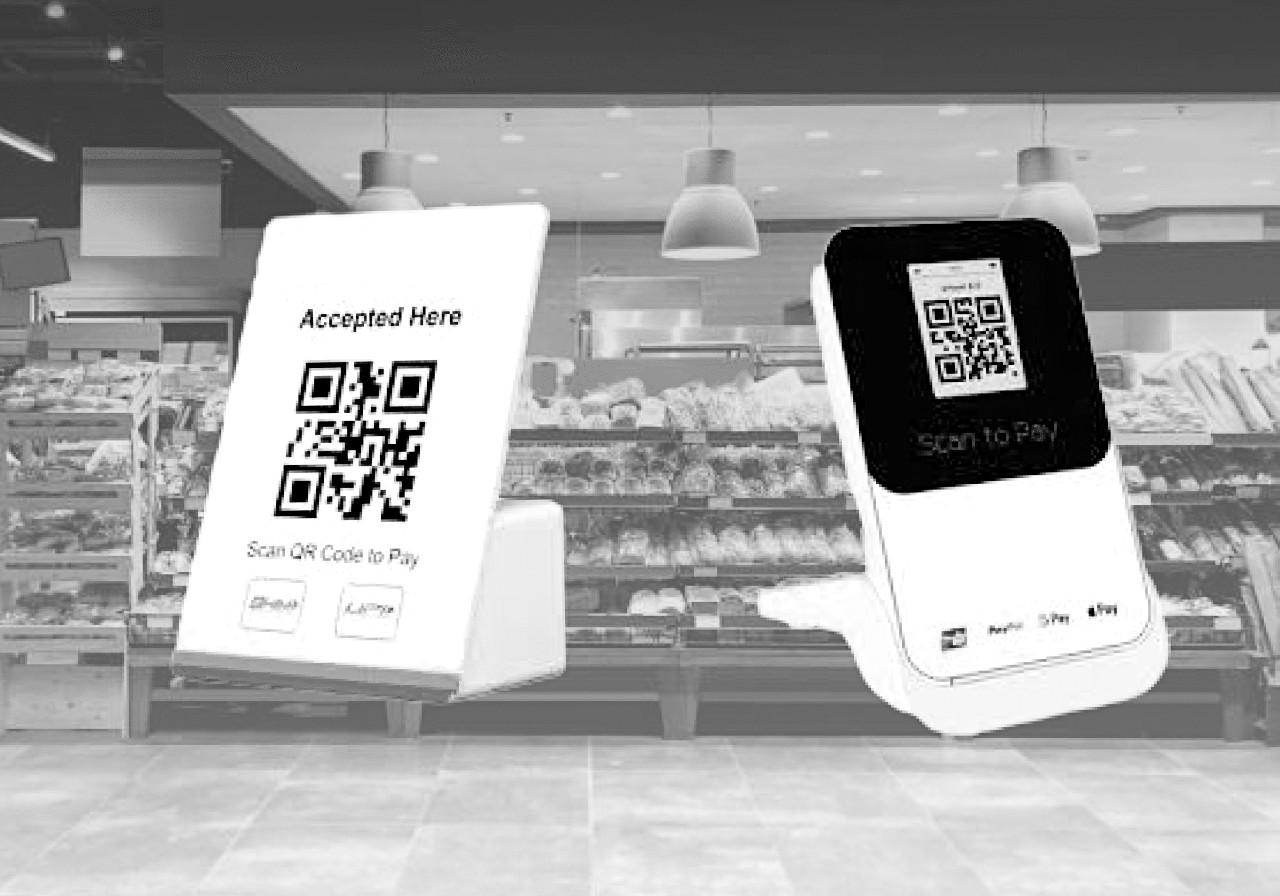
For small traders, cafés, transport operators and service providers, a smartphone has effectively become a portable cash register. By using the GamPay app or QR-code payments, merchants can accept instant digital payments without investing in expensive terminals. This has reduced reliance on cash, lowered security risks and simplified daily accounting.
Market vendors in Banjul and Serrekunda report faster transactions and improved trust with customers, particularly younger users who increasingly prefer mobile payments over cash.
Formalising small businesses through digital trails
One of the most important impacts has been the creation of transaction histories. With digital payment records stored on smartphones, small businesses are better able to track sales, manage cash flow and demonstrate activity when applying for micro-loans or supplier credit. This shift from informal to semi-formal operations is a critical step in business development and long-term growth.
Connecting local commerce to the wider economy
GamPay is also integrated into national services such as utilities, school fees and selected government payments. This has encouraged broader adoption among consumers and businesses alike, creating a reinforcing loop where digital payments become more useful as more actors participate. For Gambian SMEs, this means increased visibility, smoother payments and access to a growing digital customer base.
A scalable model for inclusive growth
The success of GamPay highlights how locally adapted digital platforms can unlock economic potential without complex infrastructure. With nothing more than a smartphone and mobile connectivity, Gambian entrepreneurs are gaining tools once reserved for larger businesses.
As smartphone penetration continues to rise, this model offers a clear example of how the digital economy—when built around local needs—can support inclusion, resilience and sustainable growth in The Gambia.
Newshub Editorial in Africa – 25 January 2026

If you have an account with ChatGPT you get deeper explanations,
background and context related to what you are reading.
Open an account:
Open an account
Recent Comments