
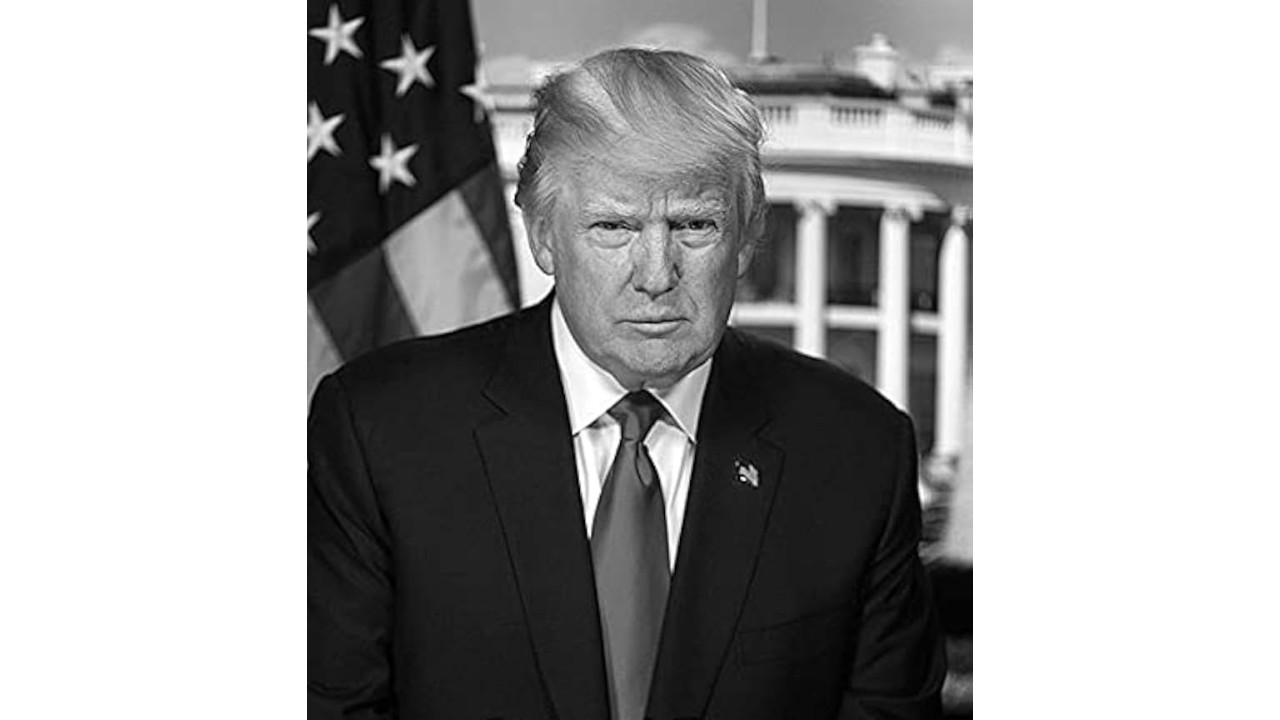
Public debate around Donald Trump has long been dominated by personality, rhetoric, and domestic controversy. That focus obscures a more consequential reality. Trump’s underlying agenda has never been ideological in the traditional sense. It is transactional, power-centred, and anchored in leverage—particularly around trade, currency, and control over global economic flows.
It was never “just about currency”
The US dollar is not merely a medium of exchange; it is the core instrument of American geopolitical influence. Trump has consistently demonstrated an acute understanding of this. His criticism of an overly strong dollar was not economic naïveté, but a calculated signal. A strong dollar suppresses US export competitiveness, favours foreign producers, and disproportionately benefits financial markets over domestic industry. By contrast, a weaker dollar improves export positioning, disrupts entrenched supply chains, and forces capital to reconsider allocation. Trump’s currency rhetoric aligns with a broader objective: re-industrialising the United States rather than prioritising financial market comfort.
Tariffs as a weapon, not a policy
Conventional economic doctrine treats tariffs as inefficient and distortionary. Trump treats them as instruments of leverage. In his framework, tariffs are not ends in themselves but tools—used to pressure trading partners, rebalance negotiations, and signal intent to domestic manufacturers. Combined with currency pressure, tariffs form a dual-track strategy: imports become more expensive while domestic production gains relative attractiveness. This approach is deliberate economic nationalism, not improvisation.

The hidden target: global capital flows
The primary audience for these policies is not the electorate but global capital. Currency volatility and trade friction compel investors to reassess deployment decisions: where growth is sustainable, which markets benefit from supply-chain realignment, and how risk is priced outside a US-centric model. As commentators such as Alastair Irvine have noted, currency and trade policy rarely remain domestic issues; they ripple outward, repricing assets globally.
Emerging markets: collateral damage or silent winners?
At first glance, this environment appears hostile to emerging markets. Dollar-priced imports rise, capital flows become more volatile, and foreign-exchange risk intensifies. Yet history suggests second-order effects often tell a different story. Capital gradually rotates toward local growth narratives, domestic consumption assumes greater importance, and regional financial infrastructure—local banks, payment systems, and fintech platforms—gains relevance. De-dollarisation does not occur through ideology, but through necessity at the margins.
This is about power, not politics
Trump’s agenda is neither conventionally left nor right. It is about preserving leverage in a multipolar world. Its components are consistent: reduced reliance on fragile global supply chains, forced renegotiation of trade relationships, strategic use of the dollar rather than sentimental attachment to its strength, and a willingness to tolerate short-term volatility in pursuit of long-term control.
The bigger picture
Trump is not seeking to dismantle the dollar’s role. He is seeking flexibility—and to weaponise it. In an environment where China is building parallel systems, emerging markets are expanding faster than developed economies, and technology erodes traditional monetary boundaries, dominance alone is insufficient. Power must be exercised through pressure, not comfort. That is the logic underpinning the real Trump agenda.
Newshub Editorial in North America – 20 January 2026

If you have an account with ChatGPT you get deeper explanations,
background and context related to what you are reading.
Open an account:
Open an account
Recent Comments