
Iran’s police chief has issued an ultimatum to participants in recent nationwide unrest, stating that those who surrender themselves to the authorities within a strict deadline may face reduced punishment. The announcement comes after months of demonstrations that have shaken the country and resulted in the deaths of thousands, underscoring the authorities’ continued reliance on pressure and deterrence rather than dialogue.
Conditional leniency announced on state television
Speaking on state-controlled television on Monday, Ahmad-Reza Radan, head of Iran’s national police, said that individuals who had been “misled” into taking part in what the authorities describe as riots could receive lighter sentences if they voluntarily hand themselves in. He stressed that this offer applies only to those who surrender within three days, after which no such leniency would be considered.
Radan described many of those involved as young people who, “against their better judgement,” were drawn into the unrest. By using this language, the authorities appear to be attempting to separate rank-and-file participants from organisers and leaders, while maintaining a hard line against continued dissent.

Protests met with severe repression
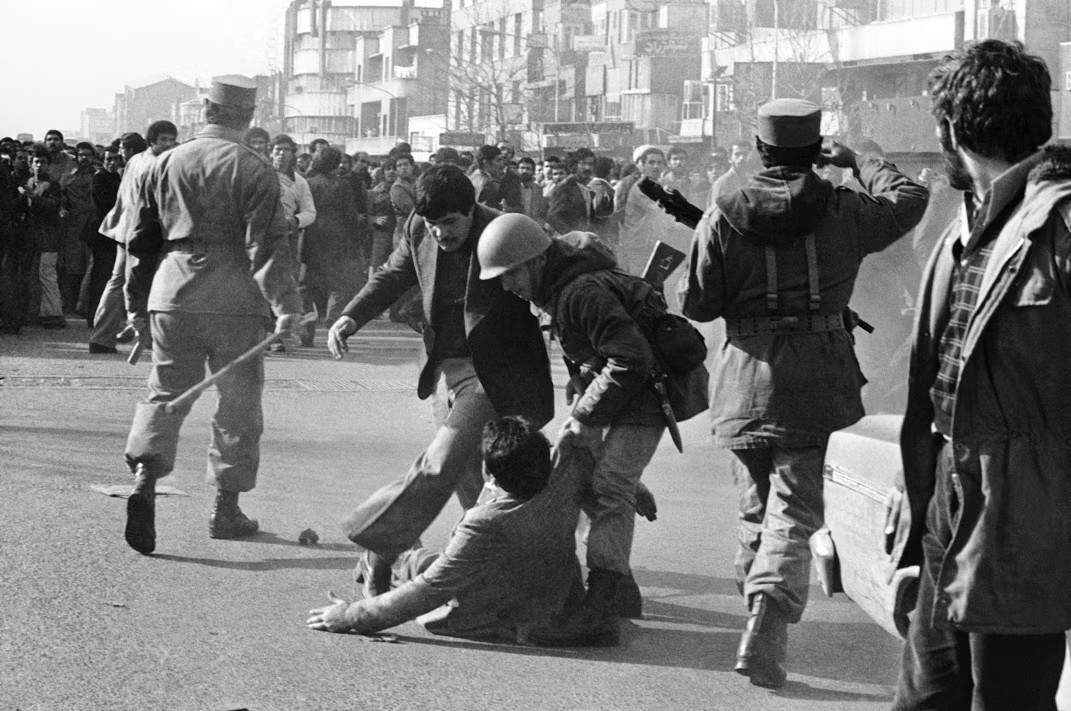
The ultimatum follows a prolonged period of unrest across Iran, during which demonstrations have erupted in multiple cities, driven by political, social and economic grievances. These protests have been met with an extensive security crackdown. According to information cited by international observers and human rights organisations, thousands of people have been killed since the demonstrations began, with many more arrested or detained.
The scale of the violence has drawn widespread international condemnation and intensified scrutiny of Iran’s internal security policies. Domestically, the authorities continue to portray the protests as violent disturbances influenced by foreign actors, a narrative used to justify sweeping arrests and harsh sentences.
A familiar pressure tactic
Analysts note that the combination of threats and conditional offers of clemency is a recurring feature of Iran’s response to mass protests. The short three-day deadline adds urgency and psychological pressure, encouraging individuals to break ranks while reinforcing the consequences of non-compliance. However, the promise of reduced punishment remains undefined, leaving broad discretion with security services and the judiciary.
Public trust and social impact
For many Iranians, particularly younger citizens, the police chief’s remarks are unlikely to restore trust in state institutions. Critics argue that labelling protesters as “misled” dismisses legitimate grievances and obscures the scale of force used against demonstrators. Families of those involved face difficult choices, balancing fear of detention against uncertainty over what surrender may actually entail.
A signal of tightening control
The ultimatum signals a continued emphasis on control and deterrence rather than reconciliation. As the authorities seek to reassert dominance after months of unrest, political space remains severely constrained. Whether the offer will result in significant numbers of surrenders is unclear, but the broader message from Tehran is unmistakable: participation in dissent carries serious and immediate consequences.
Newshub Editorial in the Middle East – 20 January 2026

If you have an account with ChatGPT you get deeper explanations,
background and context related to what you are reading.
Open an account:
Open an account
Recent Comments