
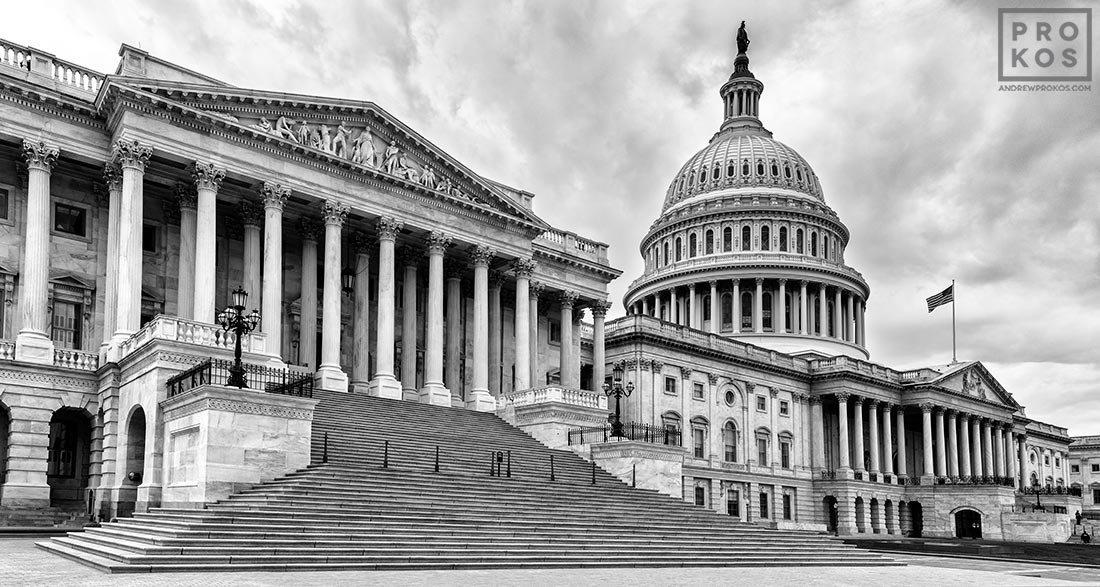
A growing number of senior Republicans are openly distancing themselves from Donald Trump, warning that his confrontational behaviour, erratic foreign policy and willingness to punish allies risk damaging both the party’s credibility and the United States’ global standing.
Cracks inside the Republican Party
For much of his political career, Trump has commanded fierce loyalty within the Republican base. However, recent episodes — including threats of tariffs against NATO allies, aggressive rhetoric towards Europe and renewed challenges to established security arrangements — have triggered unease among party veterans. Lawmakers, former officials and conservative commentators increasingly argue that Trump’s behaviour is becoming a liability rather than an asset.
Several Republican senators have voiced concern that linking trade sanctions to alliance politics undermines decades of bipartisan foreign policy consensus. Others fear that Trump’s personal style, marked by public insults and impulsive announcements, weakens institutional trust and exposes the party to electoral risk.

Foreign policy as a breaking point
Foreign policy has emerged as a key fault line. Trump’s willingness to pressure allies economically over security disagreements has alarmed traditional Republicans who prioritise NATO cohesion and predictable diplomacy. Critics within the party argue that tariffs aimed at friendly nations contradict conservative principles of free trade and strategic partnership.
This concern has been amplified by warnings from former officials who once served under Trump. They contend that legitimate security issues can be addressed through negotiation rather than coercion, and that using economic threats against allies risks long-term damage to US leadership.
Ideology versus loyalty
The internal debate reflects a deeper struggle between ideological conservatism and personal loyalty to Trump. Fiscal conservatives are uneasy about the market volatility triggered by trade threats, while national security hawks fear that alienating allies creates openings for geopolitical rivals. Even some populist Republicans privately acknowledge that Trump’s approach may energise opponents more than supporters as elections approach.
Within Congress, resistance remains cautious rather than confrontational. Few Republicans are willing to challenge Trump directly, but dissent is increasingly expressed through statements, interviews and selective opposition to policy proposals linked to his agenda.
Electoral calculations and party future
Strategists within the Republican Party are also reassessing Trump’s impact on future elections. While his base remains vocal, polling volatility and donor unease have prompted questions about whether his behaviour alienates moderate voters and independents. Some party figures fear that continued association with disruptive conduct could cost Republicans winnable races and complicate efforts to broaden their appeal.
At the same time, Trump’s influence over primary voters continues to deter open rebellion. This has resulted in a slow, uneven shift rather than a clean break, with Republicans attempting to balance criticism of behaviour against support for selective policy positions.
Trump under internal scrutiny
The growing pushback marks a notable change in tone. Whereas criticism once came largely from Democrats and external observers, it is now emerging from within Trump’s own political camp. Figures aligned with traditional conservatism are signalling that support is conditional, not automatic.
An inflection point for Republicans
Whether this internal resistance develops into organised opposition remains uncertain. What is clear is that Trump’s behaviour has forced Republicans into a defining moment. The party must now decide whether it continues to rally around a disruptive figure or begins reshaping its identity around stability, institutional strength and long-term credibility.
Newshub Editorial in North America – 18 January 2026

If you have an account with ChatGPT you get deeper explanations,
background and context related to what you are reading.
Open an account:
Open an account
Recent Comments