
US President Donald Trump intensified his rhetoric over Greenland on Friday, declaring that the United States would intervene “whether they like it or not,” in comments that have raised diplomatic alarm across Europe and the Arctic region. Speaking during a White House meeting with senior oil and gas executives, Trump doubled down on earlier statements about acquiring Greenland, framing the territory as strategically indispensable to US security and economic interests.
A sharper tone from the White House
The remarks marked a notable escalation from previous statements, shifting from transactional language toward explicit coercion. Donald Trump portrayed Greenland as a critical asset in an era of intensifying great-power competition, citing its geographic position, access to Arctic shipping routes and potential energy resources. His insistence that US action could proceed regardless of local or allied opposition signalled a willingness to challenge long-standing norms governing sovereignty and alliance relations.
Energy and geopolitics collide
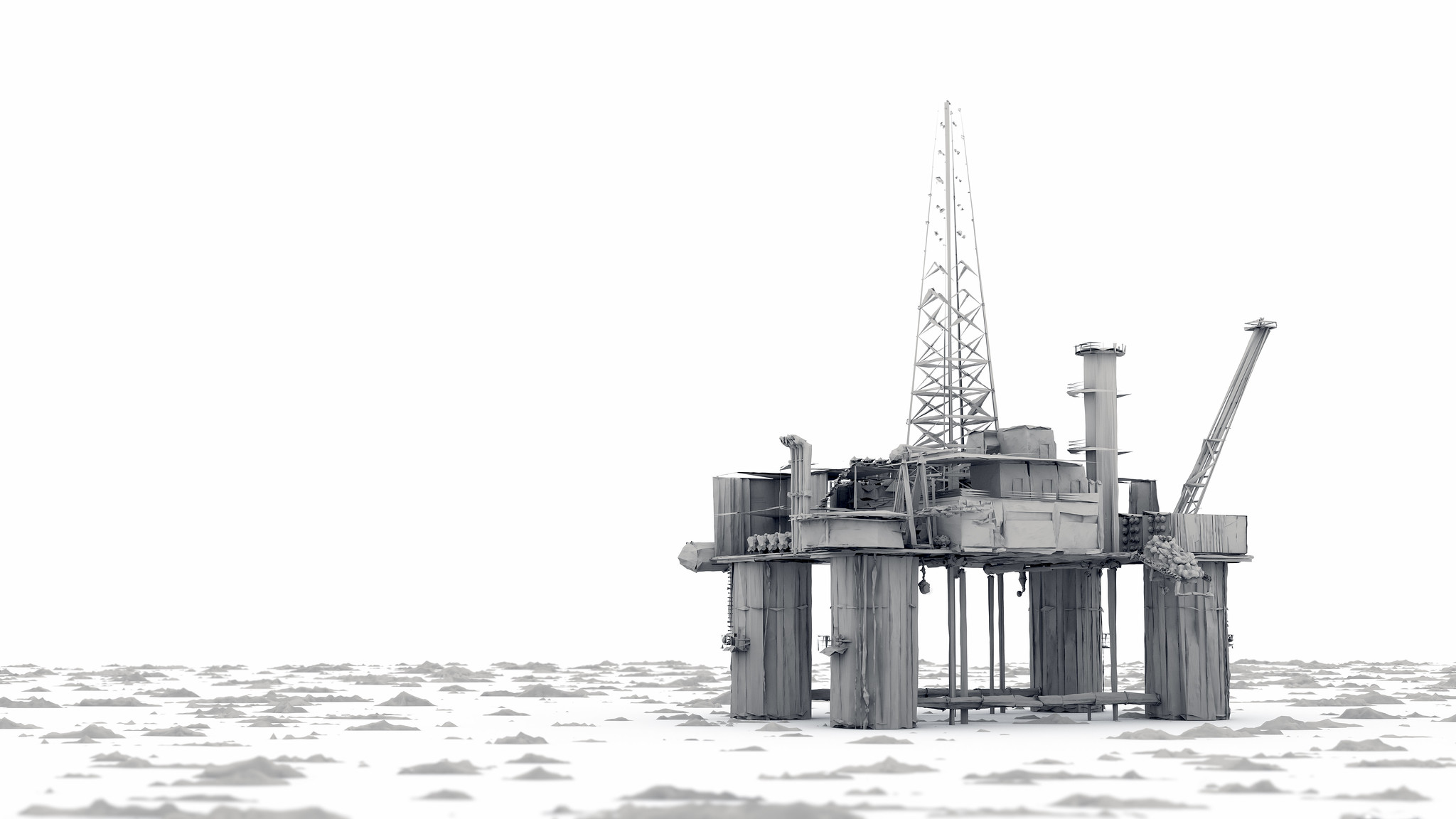
The setting of the comments added to their significance. Addressing oil and gas executives, Trump linked Greenland directly to future energy security and mineral supply chains, arguing that control over Arctic resources would be decisive for American industrial competitiveness. Analysts noted that the framing blended national security arguments with commercial logic, reinforcing concerns that economic interests are increasingly driving US foreign policy positioning in sensitive regions.


European and Nordic unease deepens
Trump’s language has heightened unease among European leaders, particularly in Denmark, which retains sovereignty over Greenland, and among Nordic partners who view stability in the Arctic as essential. While no immediate policy response was announced, officials privately warned that such rhetoric undermines trust within NATO and risks introducing uncertainty into a region that has largely been governed by cooperation and restraint. Greenlandic leaders, for their part, have consistently rejected any suggestion that the territory could be acquired or coerced.
Strategic implications for the Arctic
The Arctic has emerged as a focal point of global competition as melting ice expands access to shipping lanes and natural resources. Russia and China have both increased their presence and ambitions in the region, prompting the United States to reassess its posture. Trump’s comments suggest a more confrontational US approach, one that prioritises unilateral leverage over multilateral frameworks. Critics argue this risks provoking counter-moves and destabilising a fragile strategic balance.
Domestic messaging and political calculus
Within the United States, the rhetoric also plays to a domestic audience attuned to themes of strength, resource security and national assertiveness. By presenting Greenland as both a security necessity and an economic opportunity, Trump reinforces a narrative of decisive leadership. However, legal experts have noted that any attempt to intervene or acquire territory without consent would face formidable constitutional, diplomatic and international law obstacles.
Rising tensions, uncertain outcomes
As Washington’s language hardens, the gap between rhetoric and practical policy remains wide. Yet the implications are significant. Trump’s remarks have injected fresh volatility into transatlantic relations and underscored how Arctic geopolitics are becoming entangled with energy strategy and great-power rivalry. Whether the statements translate into concrete action or remain political signalling, they have already altered the tone of the debate and heightened tensions around one of the world’s most strategically sensitive regions.
Newshub Editorial in North America – 10 January 2026

If you have an account with ChatGPT you get deeper explanations,
background and context related to what you are reading.
Open an account:
Open an account
Recent Comments