
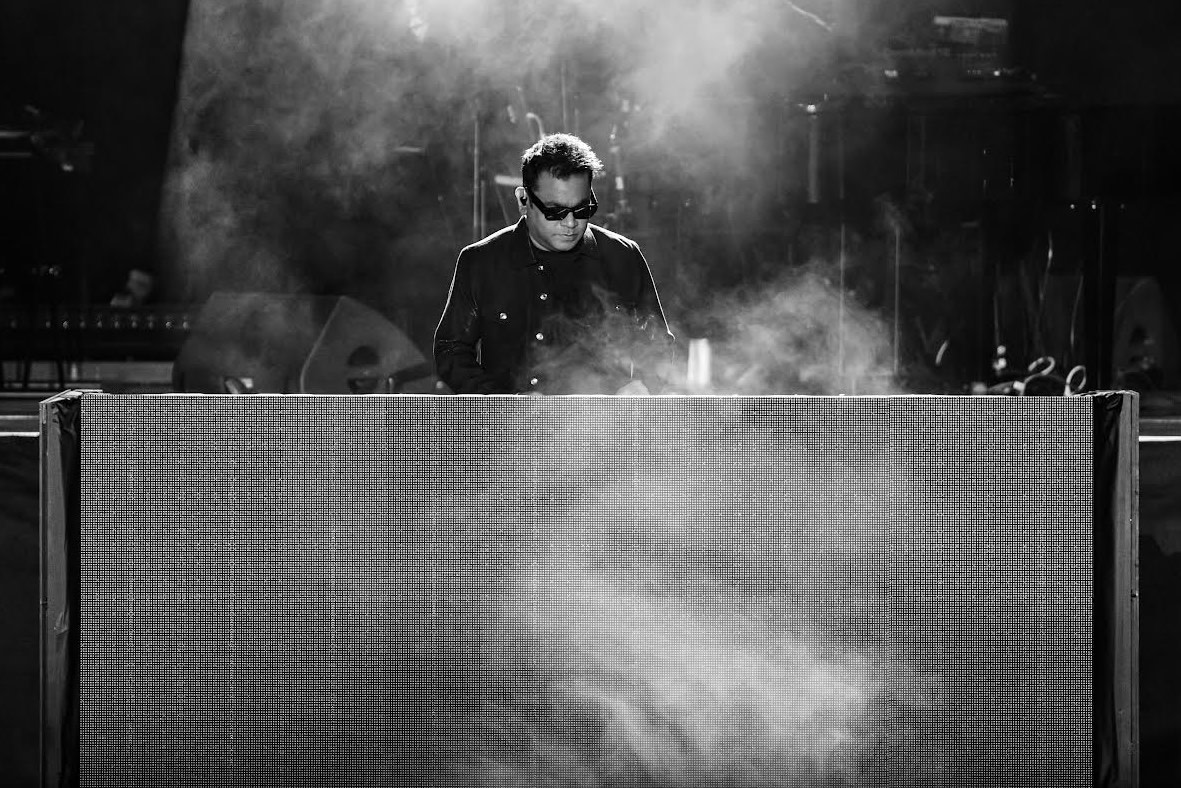
Born in Madras—today’s Chennai—on 6 January 1967, A. R. Rahman has become one of the most influential composers of the modern era, earning the nickname “the Mozart of Madras” for his genre-defying music and global impact. Blending Indian classical traditions with electronic textures, orchestral writing and world music, Rahman reshaped film scoring in India and carried its sound to international audiences.
Early life and musical roots
Raised in a modest household, Rahman’s musical education began early. His father, R. K. Shekhar, was a composer and conductor in the South Indian film industry, exposing him to studio work from childhood. After his father’s death, Rahman supported his family by playing keyboards and arranging music, absorbing Carnatic classical forms alongside Western harmony and synthesisers. This dual grounding—rigorous tradition paired with modern technology—would later define his signature sound.
The Madras sound and a new film language
Rahman’s breakthrough came in the early 1990s, when his scores introduced a fresh sonic palette to Indian cinema. He replaced formulaic arrangements with layered rhythms, ambient electronics and emotive melodies that served narrative and character. His work quickly stood apart, influencing an entire generation of composers and helping establish what critics came to call the “Madras sound”—innovative, cosmopolitan and unmistakably Indian.
Global recognition and crossover success
The international spotlight followed. Rahman’s music for global film projects brought Indian scoring aesthetics into mainstream Western cinema, culminating in multiple Academy Awards and a Grammy. These honours marked a watershed moment: Indian film music, long popular across Asia and the diaspora, now resonated at the centre of global pop culture. Collaborations with leading directors, orchestras and artists further expanded his reach.
Craft, technology and spirituality
Behind the accolades lies a meticulous craftsman. Rahman is known for embracing cutting-edge studio technology while maintaining an almost classical discipline in composition. He often speaks of music as a spiritual pursuit—an ethic reflected in his careful pacing, restrained emotional arcs and respect for silence as much as sound. This balance between innovation and introspection has kept his work relevant across decades.
Mentorship and cultural legacy
Beyond composing, Rahman has invested in nurturing talent, founding educational initiatives that train young musicians in both traditional and contemporary practices. His influence now extends beyond soundtracks to live symphonic performances, stage productions and cultural diplomacy, positioning Indian music confidently on the world stage.
A composer shaped by Madras, heard everywhere
From his birthplace in Madras to concert halls and cinemas worldwide, A.R. Rahman’s journey mirrors the globalisation of Indian culture itself. Rooted in local tradition yet open to the world, his music continues to bridge cultures—proving that a composer shaped by one city can speak to many nations through sound.
Newshub Editorial in Asia – 6 January 2026

If you have an account with ChatGPT you get deeper explanations,
background and context related to what you are reading.
Open an account:
Open an account
Recent Comments