
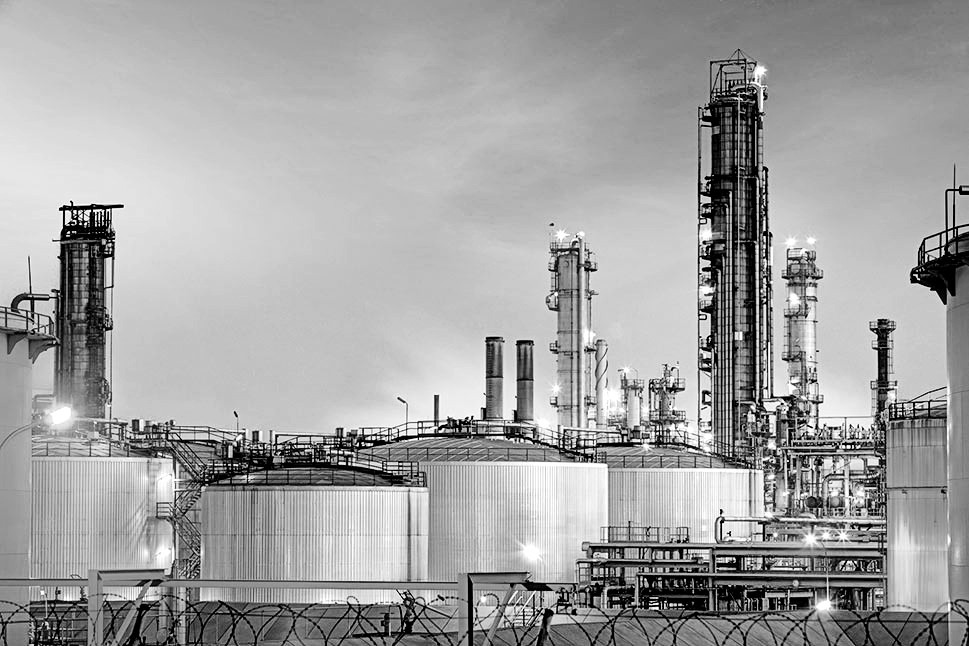
Energy markets across Latin America shifted into a heightened risk posture after President Donald Trump stated that the United States would temporarily administer Venezuela and restore its oil production capacity as part of a political transition plan.
While concrete operational details remain limited, the statement alone was sufficient to influence market psychology. Oil traders, shipping firms and regional logistics operators began reassessing short- and medium-term cost structures on Sunday as the implications of Venezuela’s potential reintegration into global energy markets were debated.
Why Venezuela matters to energy pricing
Venezuela possesses the world’s largest proven oil reserves, yet years of under-investment, sanctions and infrastructure degradation have drastically reduced production. Any credible recovery path would eventually affect global supply balances, but analysts caution that rehabilitation could take several years even under ideal political conditions.
Nevertheless, expectations move prices long before actual barrels reach markets. For import-dependent Latin American economies, even moderate shifts in oil sentiment feed rapidly into fuel pricing, freight costs and electricity tariffs.
Transmission into inflation and transport
Fuel costs influence nearly every component of regional inflation. From agricultural supply chains to urban commuting, transport pricing remains a core driver of consumer price pressure. Central banks across the region now face renewed uncertainty in inflation forecasting at a time when many were preparing cautious rate adjustments.
Public transport authorities in major cities have already begun reviewing subsidy requirements, while logistics firms are updating freight contracts to reflect potential volatility.
Payments and business consequences
Inflationary expectations typically reshape consumer behaviour. Higher living costs drive smaller transaction sizes, increased reliance on digital payments for budgeting control and rising delinquency risk in credit-based products.
For payment platforms and digital banks, volatility increases demand for real-time settlement, transparent pricing and robust fraud prevention as households and merchants seek cost efficiency.
Strategic implications for the region
Whether or not Venezuela’s oil sector can be stabilised quickly, the episode highlights how political shifts can propagate through energy markets into everyday financial activity. Latin America’s economic sensitivity to fuel pricing remains a central vulnerability, reinforcing the importance of diversified energy sources and resilient financial infrastructure.
Newshub Editorial in South America – 4 January 2026

If you have an account with ChatGPT you get deeper explanations,
background and context related to what you are reading.
Open an account:
Open an account
Recent Comments