
The reported U.S. strike and the claimed capture of Venezuela’s President Nicolás Maduro has triggered a geopolitical chain reaction that will unfold in phases over the next six months — first inside Venezuela’s security apparatus, then across Latin America, and finally through energy markets and great-power diplomacy. Early signals already include Venezuela’s emergency posture and demands for proof of life, border alarm in neighbouring states, and sharply divided global reactions. 
Pillar 1 — Power vacuum dynamics inside Venezuela
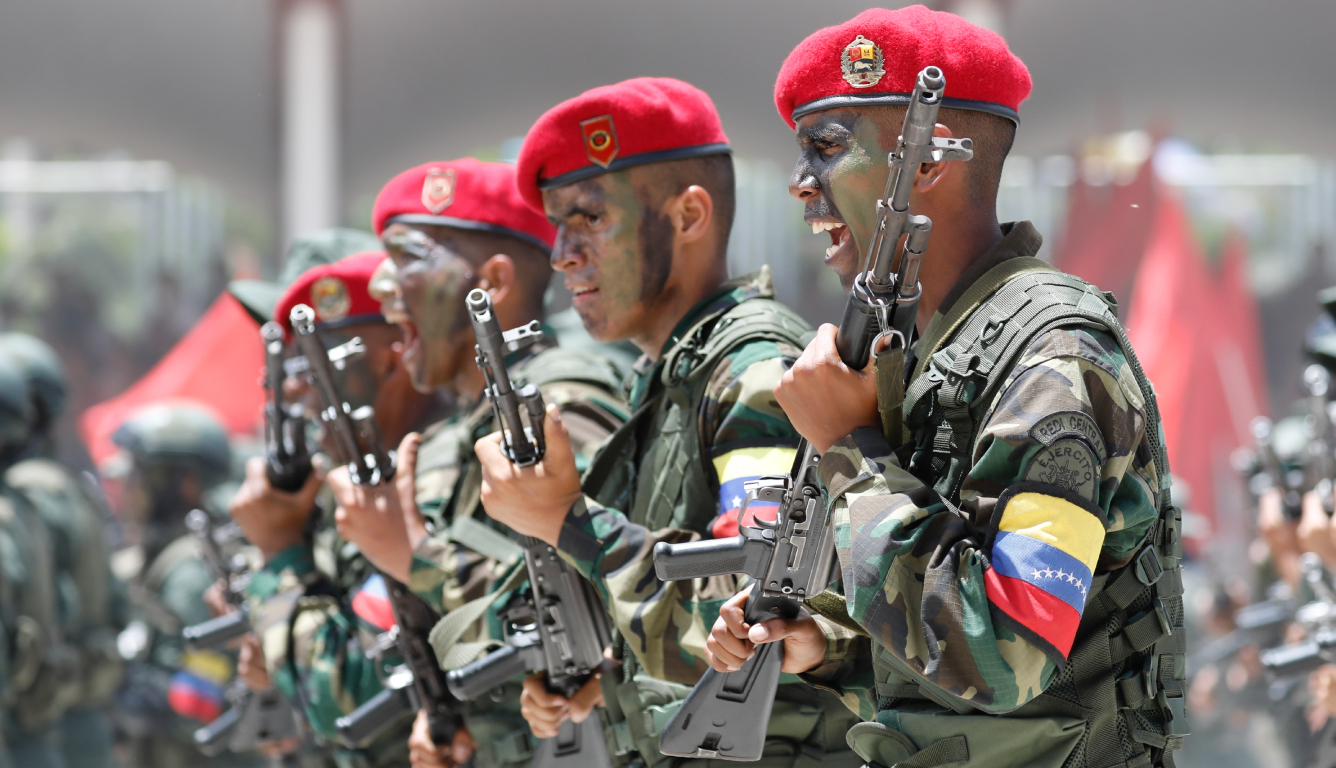
The central variable is whether Venezuelan command structures remain cohesive. Caracas officials have demanded proof of life and framed the operation as foreign aggression, while elements of the state have urged resistance. 
Over the next 4–12 weeks, Venezuela is likely to enter one of three lanes:
• Consolidation: a successor authority (civilian or military) quickly establishes control of the capital, major bases and state media.
• Fragmentation: factions within the armed forces and security services split, producing patchwork control across regions and intermittent clashes.
• Insurgency: loyalist networks, armed groups and criminal actors exploit disruption and turn instability into sustained violence.

Pillar 2 — Regional spillover and the border belt
Colombia’s troop deployment and refugee-influx warnings show how quickly this becomes a regional emergency. 
In the next six months, the most immediate spillovers are:
• Displacement pressure into Colombia, Brazil and the Caribbean.
• Border militarisation to deter armed movements and manage migration.
• Diplomatic fractures inside Latin America between governments demanding non-intervention and those welcoming regime change. 
Pillar 3 — The UN and great-power contest
Multiple states have pushed for emergency diplomacy, with reactions split between condemnation and cautious neutrality. 
This is where Venezuela can become a proxy theatre: the more prolonged the uncertainty over Maduro’s status and the legality of the operation, the more oxygen Russia-aligned and anti-U.S. blocs have to contest Washington’s narrative in global forums. 
Pillar 4 — Energy and markets: risk premium without a full supply shock
Oil infrastructure damage has been reported in parts, but early indications suggest operations were not immediately fully halted. 
For the next six months, markets will watch:
• Export continuity vs disruption (ports, shipping insurance, enforcement).
• Policy escalation (sanctions tightening, maritime enforcement, retaliatory measures). 
Even without a supply collapse, a sustained crisis can keep a geopolitical risk premium embedded in crude and Latin America risk assets.
Pillar 5 — The U.S. factor: domestic politics shapes external stamina
In Washington, legal and political scrutiny is already part of the story, and the durability of U.S. engagement will be tested by domestic backlash, congressional pressure, and the costs of stabilisation if Venezuela fragments. 
What it means, in one line
If a rapid, credible transition mechanism does not emerge quickly, the most probable six-month outcome is persistent Venezuelan instability plus regional migration pressure, with global diplomacy hardening into camps — and markets pricing a higher risk premium until the new reality becomes clear. 

If you have an account with ChatGPT you get deeper explanations,
background and context related to what you are reading.
Open an account:
Open an account
Recent Comments