

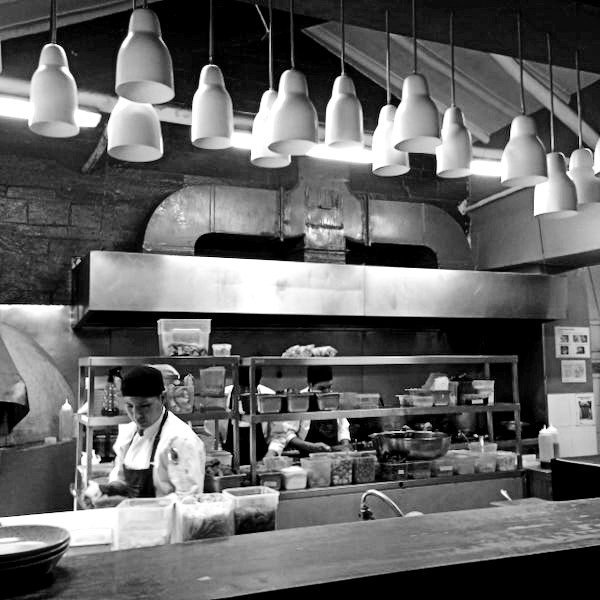
Family-run restaurants across Lima are strengthening their businesses as mobile working-capital loans provide fast, flexible financing for day-to-day operations. The shift is improving cash-flow stability, supporting menu expansion, and helping long-standing eateries modernise without losing their neighbourhood character.
From cash gaps to instant capital
In Lima, small family restaurants have traditionally relied on daily cash takings to fund ingredient purchases and payroll. Seasonal fluctuations, supplier price swings, and delayed payments often created short-term cash gaps. Mobile working-capital loans—disbursed directly to phones and repaid in small, frequent instalments—are now closing those gaps. Owners report being able to restock quickly, negotiate better prices with suppliers, and keep kitchens running smoothly during peak periods.
Speed and flexibility over bureaucracy
Unlike traditional bank loans, mobile credit products are designed for rapid access and modest amounts. Approval decisions are often automated, using transaction histories from digital payments and point-of-sale systems. For restaurateurs who lack collateral or formal financial statements, this approach reduces friction. The ability to borrow for a few days or weeks, rather than months, aligns financing with the rhythm of restaurant operations.

Menu innovation and quality upgrades
With predictable access to short-term capital, many families are investing in quality improvements. Chefs are experimenting with new dishes, sourcing fresher ingredients, and adding daily specials that attract repeat customers. Others are upgrading small equipment—refrigeration, prep tools, or payment terminals—that improves efficiency and reduces waste. These incremental investments, funded by mobile loans, are lifting margins without requiring large, risky commitments.
Digital payments underpin credit access
The expansion of mobile loans is closely tied to the rise of digital payments. As more diners pay electronically, restaurants build verifiable sales records that lenders can assess in real time. This data-driven model rewards consistency and encourages formalisation without heavy compliance burdens. Owners note that clearer records also help them understand peak hours, best-selling items, and staffing needs.
Employment and neighbourhood effects
The benefits extend beyond individual businesses. Stable cash flow enables restaurants to maintain staffing levels, add shifts during busy periods, and pay workers on time. In districts where family eateries anchor local commerce, improved restaurant performance supports nearby suppliers, delivery services, and markets. Residents, in turn, benefit from more reliable opening hours and broader menu choices.
Managing costs and responsible borrowing
While uptake is rising, operators remain cautious. Interest rates can be higher than conventional credit, and over-borrowing during slow weeks poses risks. Industry groups and lenders are responding with clearer pricing, spending caps linked to turnover, and basic financial-literacy support to promote sustainable use of mobile credit.
Implications for small-business finance
The experience in Lima highlights how mobile working-capital loans can bridge a persistent financing gap for micro-enterprises. By matching loan size and repayment to daily cash flows, digital finance is proving more compatible with small hospitality businesses than one-size-fits-all banking products. For Peru, the model offers a scalable pathway to support family businesses that underpin urban employment and culture.
A pragmatic path to growth
Lima’s family restaurants are not chasing rapid expansion; they are seeking stability and modest growth. Mobile working-capital loans are enabling exactly that—helping owners manage volatility, invest incrementally, and preserve traditions while adapting to a more digital economy.
Newshub Editorial in South America – 26 December 2025