

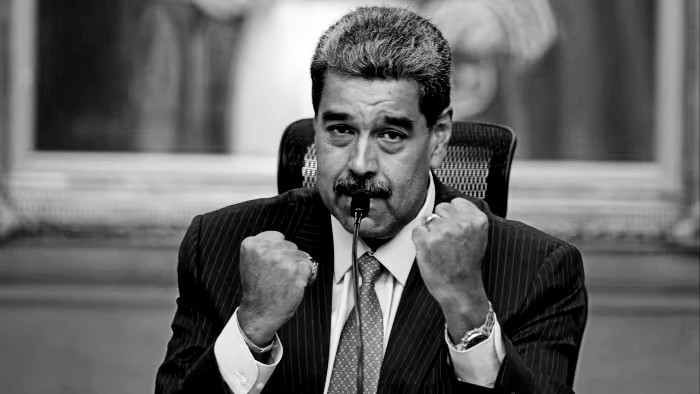
As pressure from Washington intensifies against Venezuela, the country’s long-standing allies Russia and China are showing few concrete signs of stepping in to shield Caracas, highlighting a notable shift in the geopolitical balance surrounding the crisis. While US policy under President Donald Trump has hardened once again through sanctions, asset seizures and enforcement actions, Moscow and Beijing appear increasingly cautious, prioritising strategic self-interest over overt political backing.
Washington sharpens its stance on Caracas
Donald Trump has renewed focus on Venezuela as part of a broader strategy to reassert US influence in the Western Hemisphere. The administration has expanded sanctions targeting Venezuelan oil exports, financial intermediaries and shipping networks, aiming to further isolate the government of Nicolás Maduro. US officials argue that economic pressure remains the most effective tool to force political change, even as critics warn of mounting humanitarian consequences.
Russia’s quiet recalibration
Russia has long presented itself as a political and military backer of Caracas, providing loans, arms sales and diplomatic cover at the United Nations. However, its posture has softened. With Moscow deeply preoccupied by its own economic constraints and ongoing international confrontations elsewhere, Venezuela has slipped down the list of immediate priorities. Russian state energy firms continue limited engagement, but large-scale financial rescues or overt military signalling are notably absent.

China’s economic pragmatism takes precedence
China, once Venezuela’s largest creditor, has also adopted a more restrained approach. Beijing has shifted from unconditional lending to a policy of risk containment, focusing on debt recovery rather than new exposure. While Chinese companies remain present in energy and infrastructure projects, fresh capital injections have slowed considerably. Chinese officials have emphasised non-interference and dialogue, avoiding direct confrontation with Washington over Caracas.
Venezuela’s growing isolation
Venezuela now finds itself increasingly isolated, caught between an aggressive US sanctions regime and allies unwilling to escalate tensions on its behalf. Regional support across Latin America remains fragmented, and diplomatic initiatives have struggled to gain momentum. The lack of decisive backing from Moscow and Beijing weakens Caracas’ negotiating leverage and narrows its strategic options.
Signals of a broader geopolitical shift
Analysts view the muted response from Russia and China as indicative of a broader recalibration. Both powers appear more selective in deploying political capital, especially where economic returns are uncertain and the risk of secondary sanctions is high. Venezuela, once a symbol of resistance to US influence, is increasingly treated as a legacy issue rather than a strategic cornerstone.
Outlook remains uncertain
As Washington maintains pressure, Venezuela’s leadership faces dwindling external support and deepening internal challenges. Without meaningful intervention from its traditional allies, Caracas may be forced toward renewed negotiations or incremental economic concessions. For now, the episode underscores a hard reality of modern geopolitics: alliances endure only as long as they align with national interest.
Newshub Editorial in South America – 23 December 2025
Recent Comments