

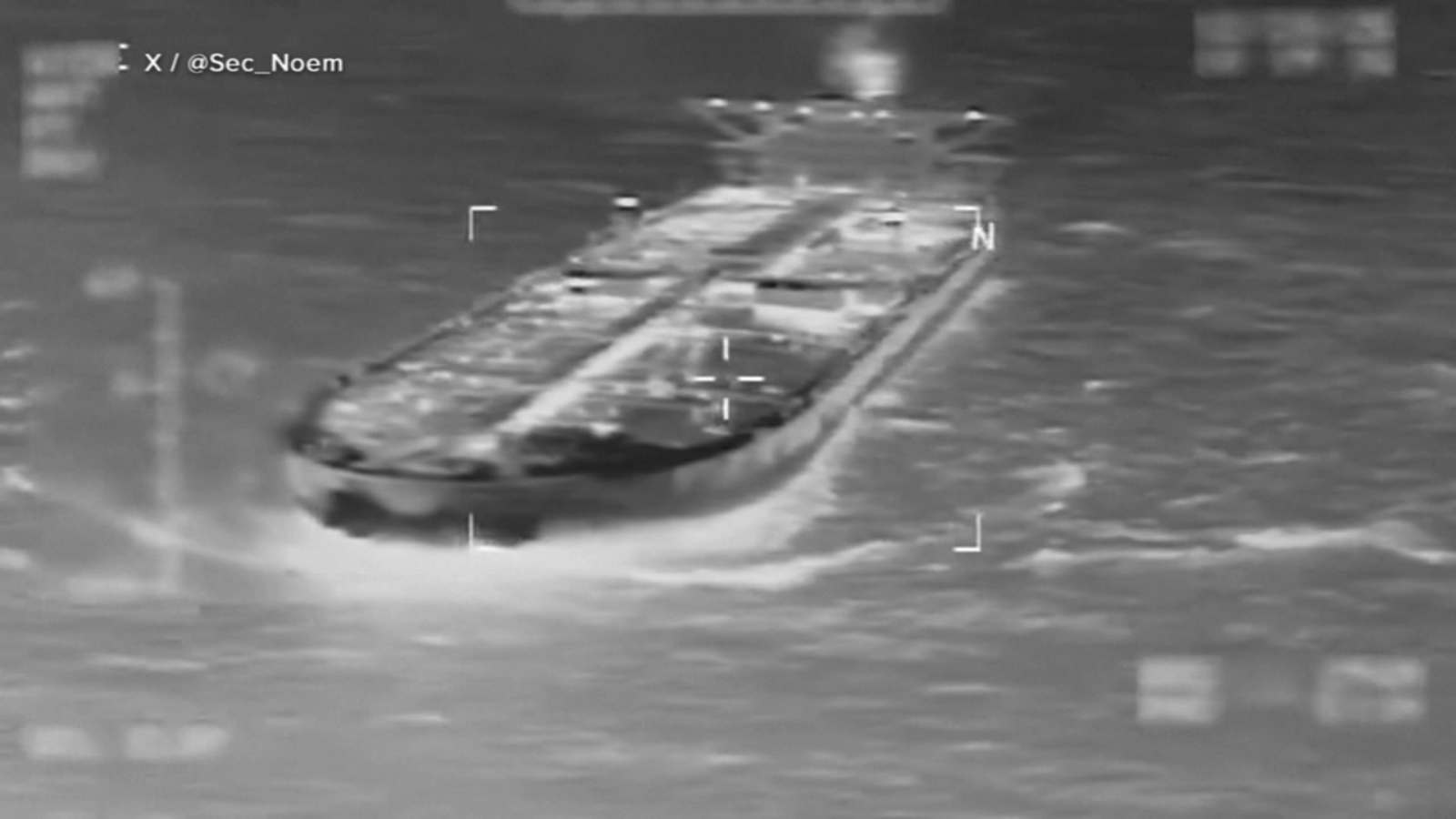
The United States is pursuing a third oil tanker allegedly linked to Venezuela, escalating enforcement actions aimed at curbing illicit crude exports and tightening pressure on Caracas amid ongoing sanctions. The move signals a sustained US effort to disrupt shipping networks suspected of helping Venezuela bypass international restrictions on its oil trade.
Expanded enforcement at sea
US authorities are reportedly tracking the tanker over concerns that it is transporting Venezuelan crude in violation of sanctions. The action follows earlier seizures and interdictions of vessels accused of concealing cargo origins, falsifying documentation, or engaging in ship-to-ship transfers to evade detection.
Officials say the latest case reflects a broader pattern of maritime enforcement, rather than an isolated incident, as Washington intensifies scrutiny of energy shipments tied to sanctioned regimes.
Sanctions pressure on Caracas
Venezuela’s oil sector remains subject to US sanctions designed to restrict revenue flows to the government of Nicolás Maduro. While limited licences and waivers have allowed certain exports under strict conditions, US officials maintain that unauthorised shipments undermine the intent of the sanctions framework.
By targeting tankers rather than solely focusing on producers or traders, the US aims to disrupt logistical chains that facilitate oil sales outside approved channels.

Maritime tactics under scrutiny
Investigations into previous cases have highlighted tactics such as disabling transponders, changing vessel names or flags, and conducting covert transfers at sea. Analysts say these practices have become more common among operators seeking to move sanctioned oil to willing buyers.
US enforcement agencies argue that cracking down on shipping practices is essential to maintaining the credibility of sanctions and deterring future violations.
Market implications remain contained
Despite the heightened enforcement activity, global oil markets have so far shown limited reaction. Venezuela’s constrained export capacity and the relatively small volumes involved mean that supply disruptions linked to individual tankers are unlikely to materially affect prices.
However, energy analysts note that sustained pressure could complicate logistics for traders handling high-risk cargoes, potentially increasing insurance costs and reducing available shipping capacity for sanctioned oil.
Diplomatic and legal considerations
The pursuit of another tanker adds a diplomatic dimension, as seizures or detentions often involve complex legal processes and coordination with flag states and port authorities. Such actions can strain relations with countries whose shipping firms or ports become entangled in enforcement efforts.
US officials have emphasised that any action taken will follow established legal procedures and international maritime law.
A signal of continued resolve
The latest move underscores Washington’s determination to enforce sanctions rigorously, even as broader discussions continue around energy markets and geopolitical stability. For Venezuela, the pursuit of a third tanker reinforces the challenges of sustaining oil exports under tightening oversight.
For the global shipping industry, it serves as a reminder that sanctions compliance remains a critical operational risk, particularly for vessels operating in politically sensitive energy corridors.
Newshub Editorial in the Americas – 22 December 2025
Recent Comments