

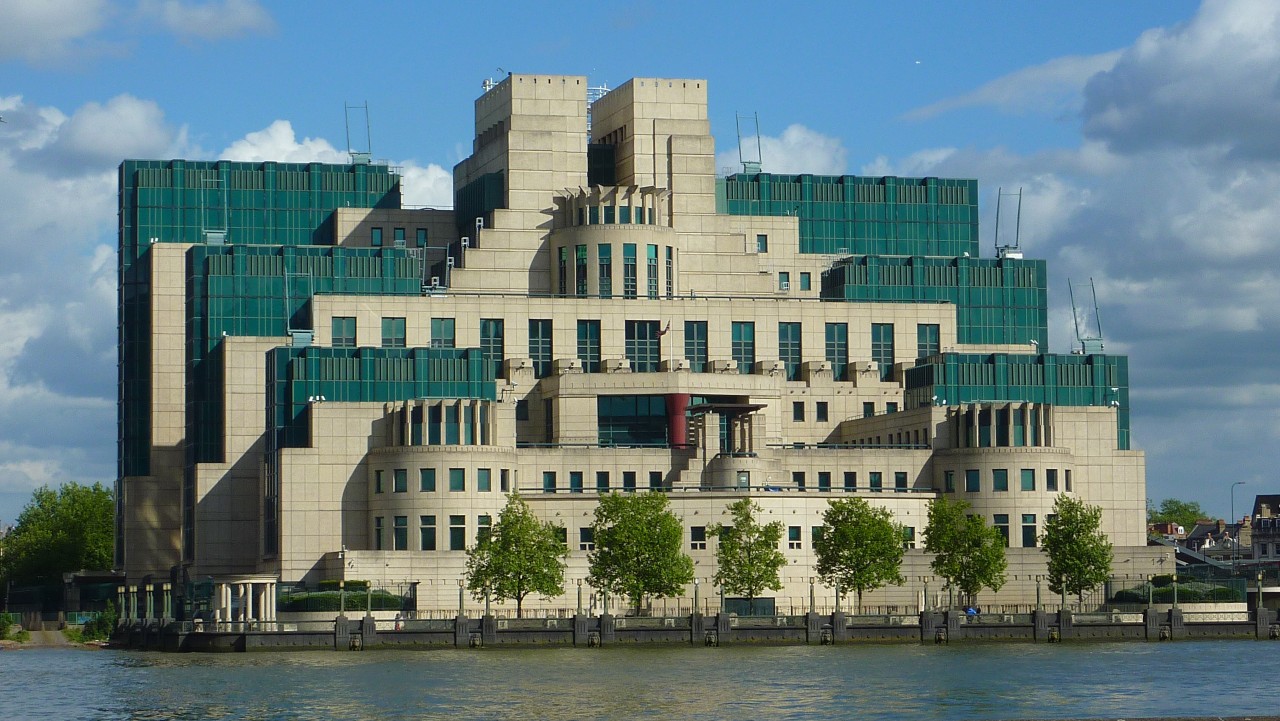
Britain is entering a new “age of uncertainty” in which the threat posed by Russia is no longer confined to distant battlefields but felt across everyday life, according to the incoming head of MI6, who is expected to issue a stark warning about the Kremlin’s expanding reach.
A warning from the intelligence chief
Blaise Metreweli, set to take over leadership of the UK’s Secret Intelligence Service, is expected to use a major speech to argue that the concept of a traditional frontline has all but disappeared. Instead, she will say, the UK and its allies now face a persistent campaign of pressure from Russia that spans cyberspace, energy markets, political institutions, and critical infrastructure. Her message is expected to underline that modern conflict is continuous, ambiguous, and often hidden from public view.
Russia identified as the primary threat
In her remarks, Metreweli is expected to identify the Kremlin as the most significant state-based threat to UK national security. British intelligence agencies have repeatedly accused Russia of conducting cyber-attacks, sabotage operations, disinformation campaigns, and covert political interference across Europe. These activities, she is likely to argue, form part of a deliberate strategy to weaken democratic societies without triggering a conventional military response.

From battlefields to daily life
The phrase “the frontline is everywhere” reflects how intelligence chiefs now view national security. Rather than tanks and troops alone, threats are seen in hacked hospitals, manipulated elections, disrupted supply chains, and attacks on undersea cables and energy infrastructure. Metreweli is expected to stress that hostile activity increasingly targets civilian systems, blurring the line between war and peace and placing ordinary citizens closer to the centre of geopolitical confrontation.
An era of strategic uncertainty
Metreweli is also expected to describe the current period as an “age of uncertainty”, shaped by Russia’s war in Ukraine, rising global competition, and the erosion of long-standing security norms. Moscow’s willingness to use force, espionage, and economic leverage is seen by UK officials as part of a broader challenge to the post-Cold War order. The speech is likely to emphasise that intelligence services must adapt rapidly to keep pace with more aggressive and unpredictable state actors.
Implications for the UK and its allies
The incoming MI6 chief is expected to call for closer cooperation with allies, particularly in Europe and North America, to counter shared threats. Intelligence-sharing, resilience planning, and public awareness are all likely to feature prominently in her message. While much of MI6’s work necessarily remains secret, Metreweli is expected to argue that transparency about the nature of the threat is essential to maintaining public trust and national preparedness.
A defining moment for British intelligence
Metreweli’s warning comes at a pivotal moment for UK intelligence, as agencies balance traditional espionage with emerging challenges such as cyber warfare and information manipulation. Her speech is likely to set the tone for her leadership, signalling a focus on Russia as a central concern and framing security not as a distant issue, but as something that touches every layer of modern society.
Newshub Editorial in Europe – 15 December 2025
Recent Comments