

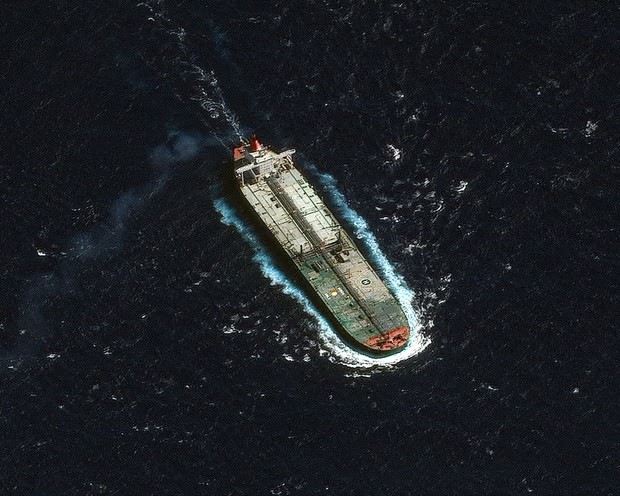
Venezuela’s crude oil exports have reportedly fallen sharply following the seizure of a tanker by US authorities, underscoring the fragility of the country’s energy recovery and the continued impact of sanctions-related enforcement on global oil flows. The incident has heightened uncertainty for buyers and traders already navigating complex compliance risks tied to Venezuelan crude.
Exports hit amid enforcement action
According to shipping data and market sources, Venezuelan oil exports declined significantly in the days following the US seizure of a tanker allegedly linked to sanctions violations. The vessel was reportedly carrying crude associated with Venezuela’s state-owned oil company PDVSA, prompting immediate caution among shipping firms and intermediaries.
Traders said several planned shipments were delayed or rerouted as counterparties reassessed legal exposure. The sudden drop highlights how even isolated enforcement actions can disrupt Venezuela’s export system, which relies heavily on opaque logistics, ship-to-ship transfers, and intermediaries to move oil to international markets.

Sanctions backdrop and fragile recovery
Venezuela’s oil sector has shown tentative signs of recovery over the past year, aided by limited sanctions relief and waivers that allowed certain foreign companies to resume restricted operations. Production and exports had edged higher from historic lows, offering Caracas a crucial source of hard currency.
However, the latest seizure has revived concerns that enforcement could tighten again, either formally or through selective action. Analysts noted that the risk premium associated with Venezuelan crude has widened, with some buyers demanding steeper discounts or stepping back entirely until greater clarity emerges.
Impact on buyers and global markets
China has remained the primary destination for Venezuelan crude, often receiving shipments indirectly through intermediaries. Following the tanker seizure, several shipping firms reportedly paused new fixtures linked to Venezuelan oil, contributing to the sharp short-term fall in exports.
While the global oil market is unlikely to feel an immediate supply shock due to ample inventories elsewhere, the disruption adds to broader geopolitical uncertainty. Any sustained reduction in Venezuelan exports could marginally tighten heavy crude supply, particularly for refiners configured to process such grades.
Political and economic implications for Caracas
For the Venezuelan government, declining exports pose a direct threat to fiscal stability. Oil revenues underpin public spending, imports, and currency management. A prolonged slowdown could weaken recent economic stabilisation efforts and increase pressure on authorities to seek further negotiations with Washington over sanctions relief.
US officials have not signalled a wholesale policy shift but have reiterated that sanctions enforcement remains active, particularly where violations are suspected. The message, analysts say, is likely to reinforce caution across the maritime and trading ecosystem.
Outlook remains uncertain
Market participants expect Venezuelan exports to remain volatile in the near term, dependent on enforcement actions, diplomatic signals, and the willingness of buyers to assume legal and reputational risk. For now, the tanker seizure has served as a reminder that Venezuela’s oil recovery remains highly exposed to geopolitical and regulatory shocks.
Newshub Editorial in Latin America – 13 December 2025
Recent Comments