

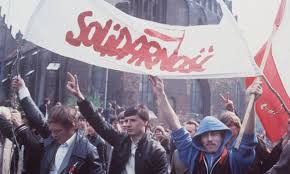
Lech Wałęsa’s victory in Poland’s landmark 1990 presidential election marked a historic transition for the country, delivering its first democratically elected head of state after decades of Communist rule. Wałęsa, the former shipyard electrician who became the face of the Solidarity movement, secured a decisive mandate to steer Poland through a turbulent but hopeful phase of political and economic transformation.
A decisive moment in the post-Communist era
Wałęsa’s rise to the presidency followed years of political upheaval, driven by the Solidarity trade union’s challenge to the country’s authoritarian regime. Having led strikes, negotiated with Communist authorities, and endured imprisonment, Wałęsa emerged as a unifying symbol of resistance. His election reflected both public support for democratic reforms and widespread expectations of rapid improvement after years of economic hardship. The vote itself, held in two rounds, underscored a competitive political landscape but ultimately delivered Wałęsa a clear victory.
A mandate for economic and democratic reform
As president, Wałęsa inherited a nation in transition. Poland’s centrally planned economy had been dismantled, leaving the country facing inflation, rising unemployment, and significant fiscal pressure. Wałęsa’s mandate was therefore closely tied to the success of market reforms and institutional restructuring. His leadership was expected to accelerate Poland’s integration with Western institutions, strengthen democratic governance, and foster economic stability. International partners, including the EU and the United States, viewed his presidency as a critical step in anchoring Poland within the broader European democratic sphere.

Public expectations and political challenges
Despite the optimism surrounding his election, Wałęsa faced substantial challenges from the outset. Public expectations were high, with many Poles anticipating swift economic recovery and improved living standards. However, the reforms necessary to stabilise the economy often produced short-term hardship, leading to political tensions and criticism. Wałęsa, known for his direct communication style and unconventional political approach, frequently clashed with members of parliament and emerging political parties, complicating efforts to maintain a cohesive reform agenda.
Long-term significance for Poland and Europe
Wałęsa’s presidency remains a defining chapter in Poland’s modern history. His tenure symbolised both the promise and complexity of post-Communist transformation. While the path was not smooth, the institutional changes implemented during his leadership contributed to Poland’s eventual accession to NATO and the European Union. His election also resonated beyond Poland’s borders, inspiring other countries undergoing democratic transitions and reinforcing the broader reconfiguration of Europe in the early 1990s.
Newshub Editorial in Europe – 9 December 2025
Recent Comments