

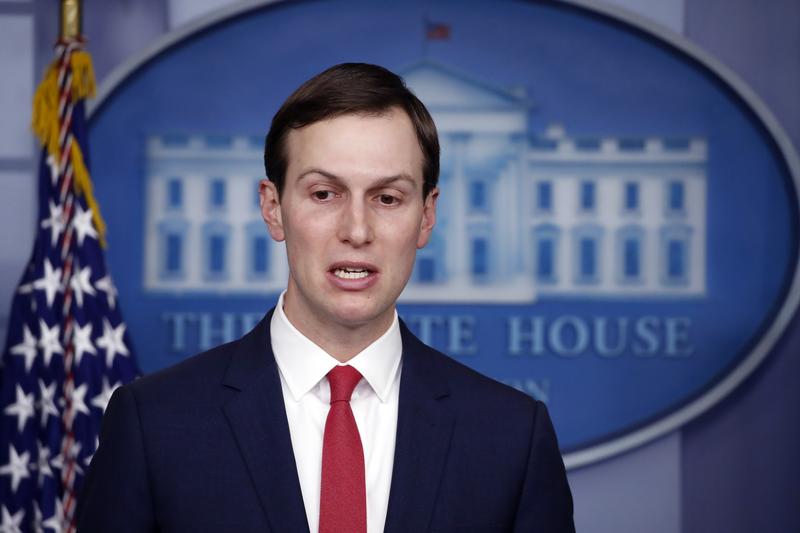
Jared Kushner’s emerging role in a prospective bid for Warner Bros has prompted renewed scrutiny from governance specialists, who warn that a former senior White House adviser participating in a major media acquisition raises significant concerns about political influence, transparency and market fairness. The development has reignited debate over whether former officials should face stricter limits when entering industries where policy decisions can shape commercial outcomes.
Concerns over proximity to political power
Ethics experts note that Kushner’s profile as a member of the previous administration, coupled with ongoing political relevance through close family ties, places his involvement under exceptional public scrutiny. They argue that negotiations concerning a major media group have the potential to intersect with regulatory processes, antitrust assessments and communications policy, making the perception of undue influence particularly sensitive.
Although there is no evidence of direct political intervention, analysts stress that even the appearance of preferential access can undermine confidence in competitive bidding. Several governance bodies have reiterated calls for clearer cooling-off periods for former officials involved in sectors where they once wielded substantial public authority.

Media consolidation and implications for editorial independence
The possibility of a Kushner-linked consortium acquiring Warner Bros has triggered broader debate about the future of editorial independence within a consolidating U.S. media landscape. Warner Bros Discovery, already navigating strategic and financial pressures, remains a cornerstone of American entertainment through its film studios, television networks and growing streaming presence.
Critics warn that a politically connected ownership structure could fuel concerns about the shaping of news, entertainment and cultural output, even if safeguards are later introduced. Media researchers point to recent global trends in which ownership changes have influenced editorial direction, stressing that transparency and governance oversight must form part of any due-diligence process.
Regulatory and antitrust dimensions
Any formal bid for Warner Bros would face intense examination from U.S. regulators, particularly in relation to competition in streaming, distribution and content licensing. The Federal Trade Commission and Department of Justice have adopted a more assertive approach to media consolidation in recent years, and experts anticipate that a politically high-profile investor group would attract heightened scrutiny.
Some analysts suggest that Kushner’s involvement could complicate the regulatory landscape, as his background in government may lead agencies to apply exceptionally rigorous standards to avoid perceptions of political favour. Others contend that the scrutiny itself reflects the importance of maintaining a clear separation between public office and private investment.
Market reaction and remaining uncertainties
Industry reaction has been cautious. Investors continue to monitor whether a formal proposal will emerge, how it might be structured, and what role Kushner would ultimately play in governance or strategic decision-making. Media groups and advocacy organisations have urged regulators to prioritise transparency should negotiations advance.
The episode underscores the wider tension between private-sector participation by former officials and public expectations of ethical boundaries. As discussions continue, the potential bid serves as another test of how the United States balances commercial freedom with safeguards designed to protect democratic institutions and public trust.
Newshub Editorial in North America – 9 December 2025
Recent Comments