

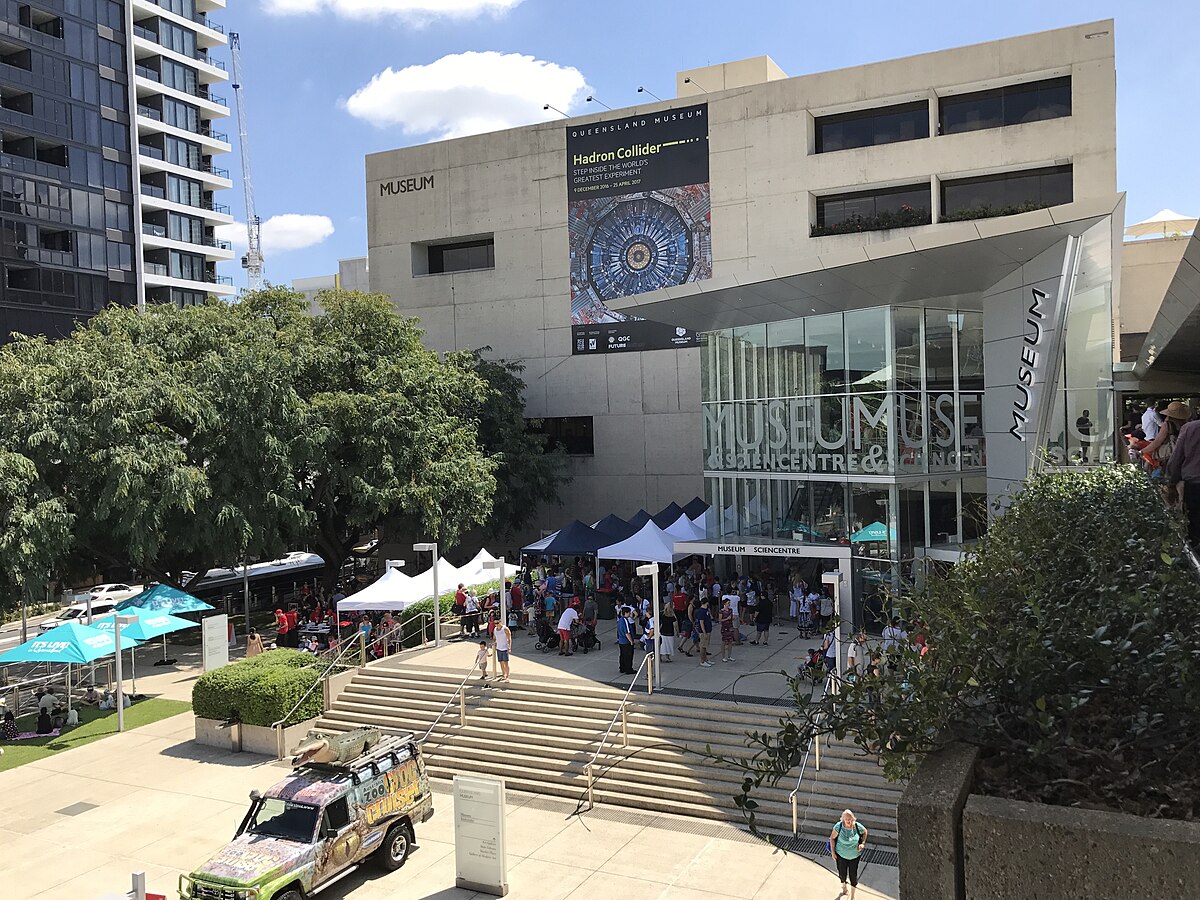
The Queensland Museum has been accused of presenting misleading information to school groups and educators regarding the causes of climate change, prompting scrutiny from scientists, teachers’ associations and environmental organisations. The allegations centre on claims that several museum materials underplay the role of human activity in global warming, raising concerns about the accuracy of content delivered to thousands of visiting students each year.
Concerns raised over scientific accuracy
Teachers and climate researchers say certain museum presentations and educational resources appear to emphasise natural climate variability while giving insufficient attention to the overwhelming scientific consensus on human-induced emissions. Critics argue that this imbalance risks confusing young audiences about the primary drivers of current global warming trends.
Reports from educators who attended recent workshops indicate that some museum facilitators framed climate change as a process driven largely by long-term natural cycles. Environmental groups claim this portrayal contradicts the findings of leading scientific bodies, which identify fossil fuel combustion, industrial emissions and land-use change as the predominant causes.

Museum defends its educational approach
The Queensland Museum has rejected suggestions that its content is misleading, stating that its programmes aim to encourage inquiry-based learning and discussion. A spokesperson said that materials are regularly updated to reflect scientific developments and that the institution remains committed to evidence-based education.
However, the museum acknowledged that some presentations may need further review to ensure clarity around the distinction between natural climate variability and human-induced warming. Officials noted that feedback from teachers would be incorporated into planned updates for the coming school term.
Educators call for clearer standards
Teachers’ associations across Queensland have urged the museum to revise its materials to align more closely with established scientific frameworks. They argue that museums, as trusted public institutions, play a critical role in shaping young people’s understanding of environmental issues and should therefore present clear and accurate messaging.
Some educators warn that ambiguity in museum presentations can undermine classroom teaching, particularly as schools invest significant time in curriculum-based climate science. They emphasise that students must receive consistent information across learning environments to develop informed perspectives.
Broader implications for public science communication
The controversy has sparked a wider discussion about how museums communicate complex scientific topics during a period of heightened political debate over climate change. Science communicators note that institutions face increasing pressure to balance accessibility with precision, particularly when addressing audiences with limited prior knowledge.
Environmental organisations say the incident highlights the need for greater oversight and collaboration between scientific institutions, educators and policymakers. They argue that accurate climate communication is essential for preparing future generations to understand environmental risks and support long-term mitigation efforts.
Newshub Editorial in Oceania – 2025-12-08
Recent Comments