

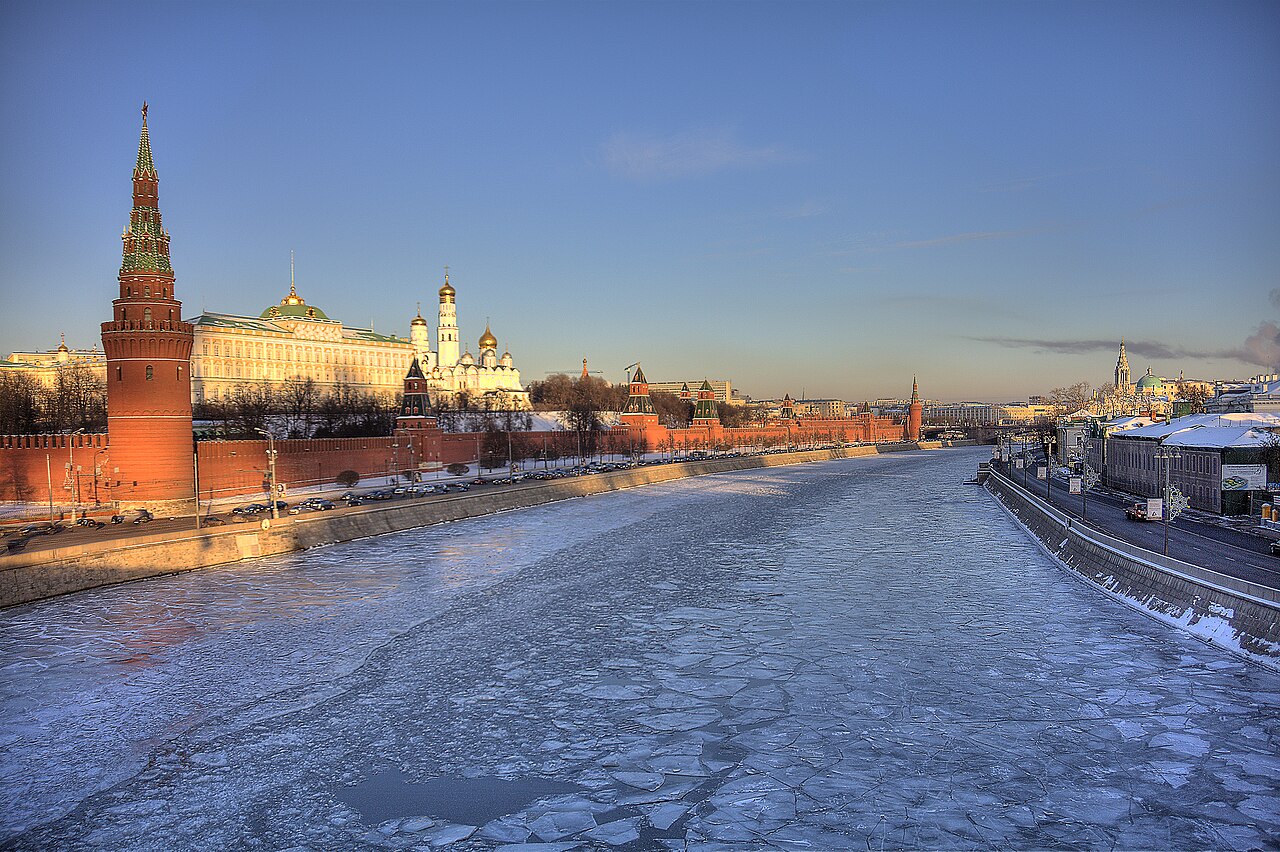
The Kremlin said on Monday that the United States’ newly updated security strategy “corresponds in many ways” with Russia’s own vision of global priorities, marking an unusual moment of alignment between Washington and Moscow at a time of persistent geopolitical tension. The statement has drawn international attention as analysts assess whether the shift reflects a substantive change in US strategic posture or a selective interpretation by Russian officials.
Kremlin welcomes elements of revised US strategy
A spokesperson for President Vladimir Putin stated that the adjustments made in Washington’s security document appear to “reflect realities that Russia has long pointed out”. Although the Kremlin declined to identify specific provisions, officials highlighted sections referencing strategic stability, multipolarity and the need for broader international coordination.
The remarks came shortly after the US unveiled its updated framework, which outlines priorities across defence, foreign policy and technological competition. While the strategy maintains firm positions on adversarial states, it emphasises the need for diplomatic engagement on global risks, including nuclear arms control and emerging security challenges.

Washington maintains scepticism despite Russian praise
US officials, while acknowledging the release of the new strategy, offered no indication that it was designed to align with Russian preferences. Analysts in Washington suggest the Kremlin may be selectively interpreting elements of the document to project an image of convergence that does not materially exist.
The strategy continues to characterise Russia as a destabilising actor, highlighting issues such as cyber operations, disinformation campaigns and regional military intervention. However, it also stresses that dialogue on strategic weapons and global risk management remains necessary, a point Moscow has seized upon.
international reaction focuses on diplomatic nuance
European capitals responded cautiously to the Kremlin’s comments. Officials in Berlin, Paris and London noted that while dialogue on arms control and nuclear risk is essential, Russia’s interpretation should not be viewed as a sign of policy convergence. Many expressed concern that Moscow may use the narrative to bolster its diplomatic standing amid ongoing conflicts and strained international relations.
In Asia, strategic analysts noted that the US document’s strong focus on China, technological competition and Indo-Pacific alliances may be driving Moscow to highlight any perceived point of agreement in an effort to ease its global isolation.
strategic implications and regional concerns
The Kremlin’s framing of the US strategy raises questions about whether Russia perceives potential openings for resumed dialogue on arms control, an area where formal negotiations have largely stalled. Some observers believe Moscow may seek to use this moment to push for talks on strategic weapons, while others view the commentary as primarily rhetorical.
Markets showed little immediate reaction, though energy analysts noted that any sign of reduced geopolitical tension can influence sentiment in oil and gas trading. Defence-sector equities in Europe and the US remained steady, reflecting a wait-and-see approach among investors.
Newshub Editorial in Europe – 2025-12-08
Recent Comments