

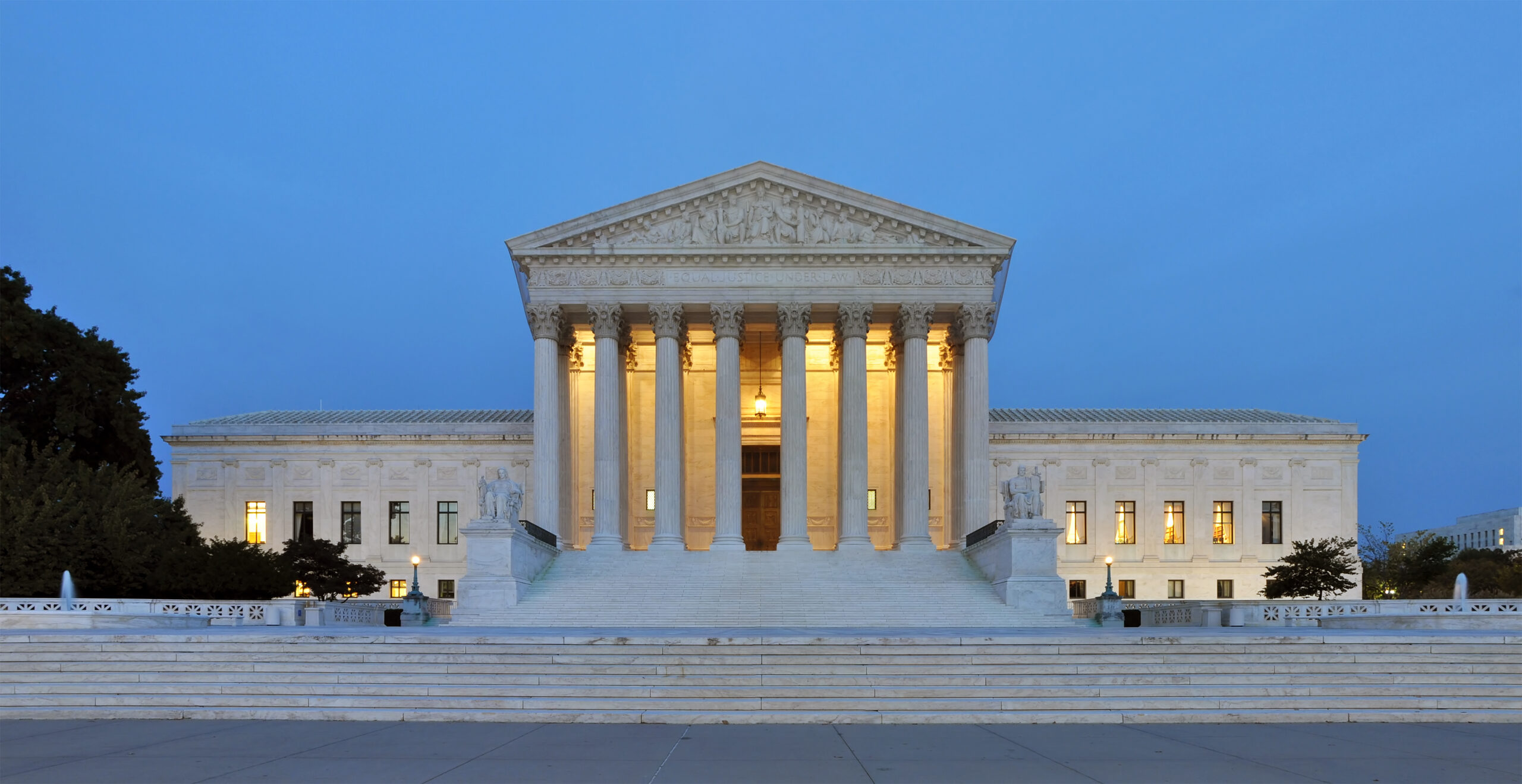
The US Supreme Court is preparing to issue a ruling that could significantly weaken the operational independence of federal regulatory agencies, a development that legal scholars say may alter the balance of power between the executive branch and institutions traditionally designed to operate at arm’s length from political influence. The decision is expected to have far-reaching consequences for how federal rules are written, enforced and challenged.
A ruling that targets agency autonomy
The case before the court centres on longstanding questions about the degree of discretion federal agencies can exercise when interpreting and implementing legislation. For decades, agencies such as the Federal Trade Commission, the Securities and Exchange Commission and the Consumer Financial Protection Bureau have operated under statutory mandates that allow them to craft and enforce regulations without direct political intervention. The forthcoming ruling is widely expected to curtail this autonomy, placing tighter judicial constraints on how agencies justify and execute their regulatory powers.
Implications for the regulatory landscape
If the court limits the legal deference traditionally granted to agencies, the result could be a more centralised and politically influenced regulatory system. Rules on consumer protection, financial oversight, environmental standards and workplace safety would become more vulnerable to legal challenges, potentially slowing policy implementation. Critics warn that a weakened agency structure could create regulatory uncertainty for businesses and consumers, complicating enforcement across industries that rely on consistent federal oversight.

Concerns about expanded executive control
A major point of debate surrounds the potential shift of authority toward the White House. Analysts note that reduced agency independence would, by default, expand the influence of the executive branch over regulatory decisions. Under President Donald Trump, who has previously expressed strong opposition to what he terms the “administrative state,” such a ruling could increase the president’s ability to reshape federal policy rapidly. Legal experts caution that concentrating oversight of multiple agencies within the executive office may limit institutional checks designed to prevent political overreach.
Supporters argue for accountability
Proponents of the court’s anticipated position contend that independent agencies wield too much unchecked power and that greater judicial scrutiny is necessary to ensure democratic accountability. They argue that elected officials, rather than career regulators, should play a decisive role in shaping national policy. Supporters also assert that constraining agency discretion could improve transparency and reduce the complexity of federal rulemaking.
A decision with long-term constitutional implications
The ruling is expected to become a defining moment in the ongoing debate over separation of powers in the United States. Regardless of the outcome, it will shape the regulatory environment for years to come, influencing how future administrations govern and how federal institutions maintain public trust. For now, both policymakers and market participants await a decision that could fundamentally alter the role of independent agencies in American governance.
Newshub Editorial in North America – 7 December 2025
Recent Comments