

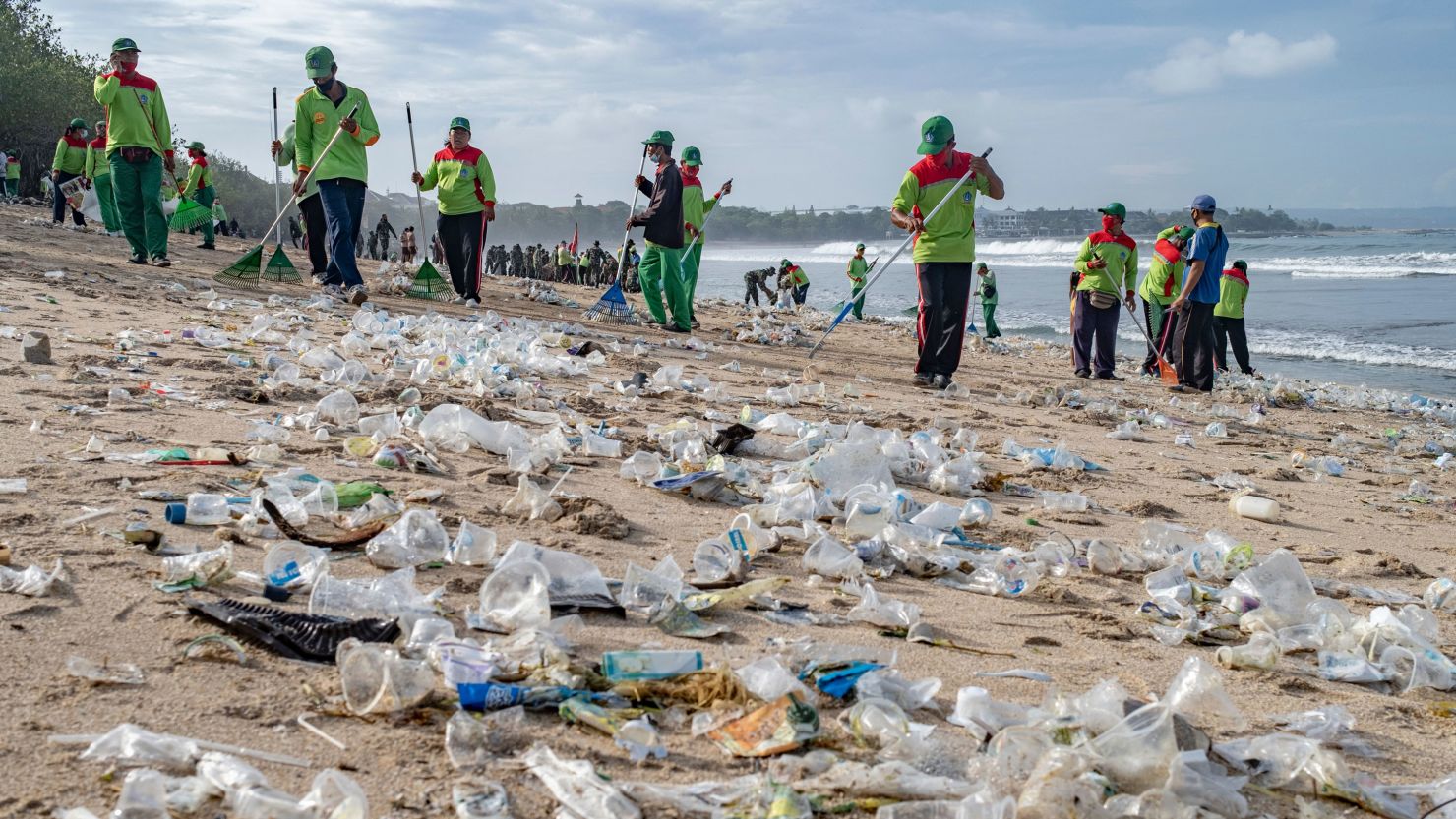
A new global assessment suggests that plastic pollution could be virtually eliminated within 15 years if governments and industries adopt large-scale reuse and return systems, according to a report released by the Pew Charitable Trusts. The study warns that without decisive action, the world’s plastic waste will more than double by 2040, placing further strain on oceans, ecosystems and public health.
A worsening global challenge
The report highlights a sharp rise in plastic production and consumption, with current waste-management systems unable to keep pace. Researchers estimate that, under current policies, annual plastic pollution entering the environment could exceed 30 million tonnes by 2040. The increase is being driven by rapid growth in single-use packaging and limited investment in waste-processing infrastructure, particularly in developing economies. According to the study, even improvements in recycling rates alone will not be sufficient to counter the accelerating trend.
How reuse and return systems work
Reuse and return schemes rely on consumers returning packaging—such as bottles, food containers and delivery boxes—for cleaning and repeated use, reducing the overall need for new plastic production. The report notes that well-designed systems can cut plastic waste by up to 80% in certain sectors. Key examples include bottle-deposit programmes, standardised refillable packaging for retailers and large-scale commercial return networks for logistics companies. Analysts argue that these models can dramatically reduce waste generation while offering cost savings for manufacturers over time.

Economic and environmental benefits
Pew Charitable Trusts’ modelling suggests that shifting from a single-use model to a reuse-focused approach could save governments and businesses billions annually by reducing waste-disposal costs, lowering carbon emissions and decreasing the need for virgin plastic materials. The report also emphasises the climate impact: reuse systems could cut greenhouse-gas emissions tied to plastic production by more than 40% by 2040. For coastal nations, the financial advantage is even greater given the high cost of cleaning marine pollution and protecting fisheries.
Barriers to large-scale implementation
Despite the promising potential, experts caution that significant obstacles remain. Many countries lack the standardised packaging, collection networks and cleaning technologies needed for efficient return schemes. Consumer behaviour also poses a challenge, as shifting habits toward returning and reusing products requires sustained public engagement and incentive structures. Industry resistance persists as well, particularly from producers reliant on low-cost single-use plastics. The report calls for a coordinated policy framework to overcome these hurdles, including mandatory reuse targets and financial incentives for companies that adopt circular-economy models.
A decisive moment for global policymakers
The authors warn that the next decade will be critical. Without rapid adoption of reuse and return systems, plastic pollution will continue to escalate, with severe consequences for marine life, biodiversity and human health. Policymakers are urged to integrate these findings into upcoming global negotiations on plastic-waste reduction. The report concludes that a world with minimal plastic pollution is achievable, but only if governments and businesses treat reuse systems as a central pillar of environmental strategy rather than a supplementary measure.
Newshub Editorial in Africa – 2025-12-03
Recent Comments