

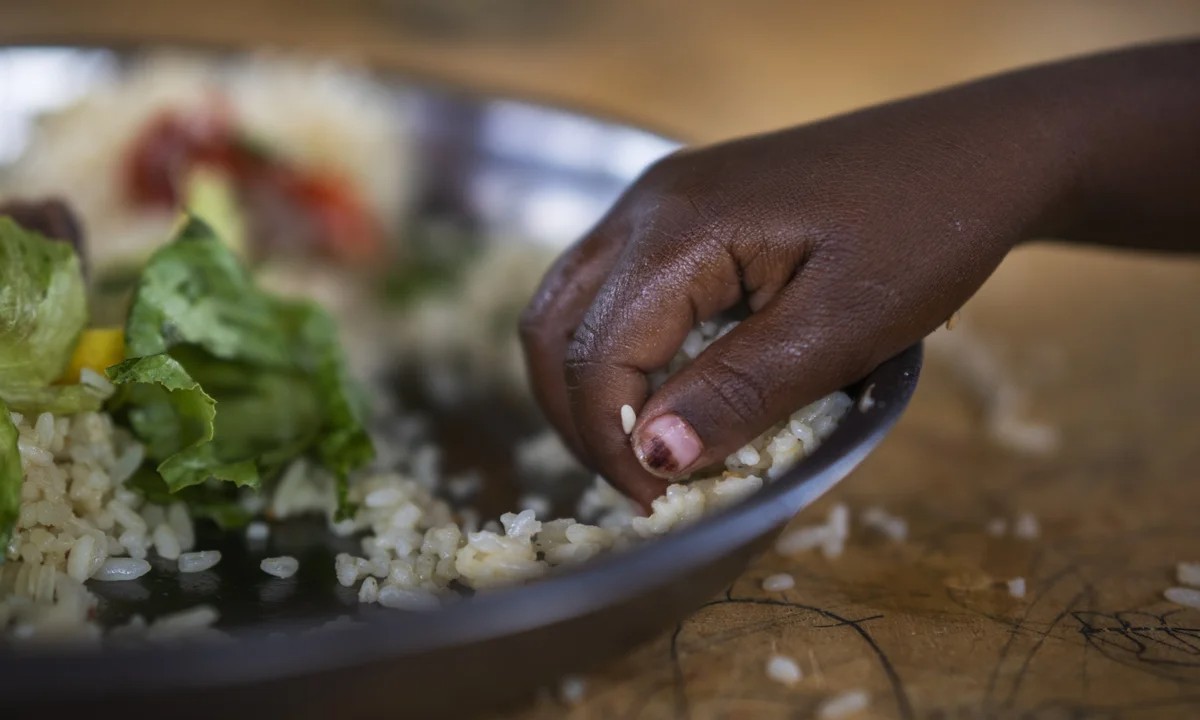
A new UN report has revealed that while global hunger levels declined slightly in 2024, food insecurity across Africa has worsened sharply, leaving more than one billion people without access to a healthy diet. The findings highlight a growing regional crisis with implications for Asia and the Caribbean, where similar structural vulnerabilities could amplify pressures.
Africa faces a deepening crisis
According to the assessment, around two-thirds of Africa’s population — over one billion people — were unable to afford a nutritious diet last year. Undernourishment rates now exceed 20% on the continent, the highest of any region. In stark contrast, the global average is 28% without access to healthy food, and the overall share of undernourished people worldwide fell from 8.5% in 2023 to 8.2% in 2024.
The report, prepared jointly by UN agencies including the FAO, WHO and WFP, underscores the persistence of food insecurity in sub-Saharan Africa, driven by conflict, climate shocks and fragile food supply chains.

Asia and regional spillovers
In West Asia, 12.7% of the population remains undernourished, with the region vulnerable to imported food price shocks and climate-linked disruptions. The UN warned that without stronger resilience measures, the gains made in parts of Asia could be reversed by volatility in energy and fertiliser markets, as well as escalating geopolitical tensions.
Caribbean vulnerability
Though not at African levels, the Caribbean remains exposed to climate shocks, hurricanes and high import dependency for staple foods. Experts note that rising global grain prices and extreme weather events could sharply raise food bills for small island economies, placing strain on already fragile fiscal balances.
Policy and investment outlook
The UN calls for urgent investment in sustainable agriculture, stronger safety nets, and climate-adaptation strategies to buffer food systems from future crises. Analysts also highlight opportunities for regional cooperation: Africa’s need for resilient agrifood systems could open investment channels with Asian partners, while the Caribbean may benefit from shared technology transfer in climate-resilient farming.
Looking ahead
The divergence between a marginal improvement in global hunger and deteriorating conditions in Africa underscores a two-speed world. The report warns that unless targeted measures are adopted, Africa risks being left further behind, with wider implications for stability, growth and migration patterns.
REFH – Newshub, 27 August 2025
Recent Comments